
Tamil Nadu, a state known for its rich cultural heritage, is also blessed with some of the most beautiful and serene beaches in India. Whether you’re looking for a relaxing getaway, an adventurous water sports experience, or a scenic spot to admire breathtaking sunrises and sunsets, Tamil Nadu’s coastline has something for every traveler. In this guide, we will explore the best beaches to visit in Tamil Nadu, complete with travel tips, the best time to visit, and detailed descriptions.
1. Marina Beach (Chennai)
Marina Beach, the second-longest urban beach in the world, stretches over 13 km along the Bay of Bengal. It is one of the most famous tourist attractions in Chennai, drawing thousands of visitors daily. The beach is known for its golden sands, cool sea breeze, and vibrant atmosphere with food stalls, horse rides, and local artisans. Families, joggers, and tourists flock here to enjoy the peaceful waves and picturesque sunrises.
Top Attractions:
- The iconic lighthouse offering panoramic city views
- The statues of Tamil poets and national leaders
- Ice House, a historical landmark
- Marina Walkway, perfect for a morning stroll
Best Time to Visit: November to February
Travel Tip: Visit early in the morning to avoid crowds and enjoy the sunrise.
2. Elliot’s Beach (Besant Nagar, Chennai)
A quieter and cleaner alternative to Marina Beach, Elliot’s Beach is famous for its relaxing ambiance. This beach is a favorite among locals and tourists who prefer a peaceful seaside experience. The beach is lined with cafes and restaurants, making it a perfect place to unwind with delicious food and refreshing sea views.
Top Attractions:
- The Karl Schmidt Memorial
- Seaside cafes and eateries
- Peaceful walking paths
- Sunset viewpoints
Best Time to Visit: November to March
Travel Tip: Try visiting during the weekdays to avoid weekend crowds.
3. Covelong Beach (Kovalam, Near Chennai)
Covelong Beach is a paradise for adventure lovers. Located near Chennai, this beach is a hub for water sports such as surfing, jet skiing, and windsurfing. The scenic surroundings and fishing village nearby add to the charm of this stunning beach.
Top Attractions:
- Surfing and water sports
- Ancient Dutch Fort
- Nearby fishing village
- Luxury resorts by the shore
Best Time to Visit: October to March
Travel Tip: Book surfing lessons in advance to avoid last-minute disappointments.
4. Mahabalipuram Beach (Near Chennai)
Mahabalipuram Beach is known for its stunning rock-cut monuments and sculptures, which date back to the Pallava dynasty. The blend of historical charm and coastal beauty makes it a must-visit for history enthusiasts and beach lovers. The golden sands and striking blue waters create a captivating view.
Top Attractions:
- Shore Temple (UNESCO Heritage Site)
- Pancha Rathas (Five Rathas)
- Krishna’s Butter Ball (a massive balancing rock)
- Scenic sunrise views over the Bay of Bengal
Best Time to Visit: November to February
Travel Tip: Carry a camera to capture the breathtaking sculptures and seaside views.
5. Rameswaram Beach (Agnitheertham)
Rameswararm Agni Theertham Beach is known for its shallow, crystal-clear waters and religious significance. It is located close to the famous Ramanathaswamy Temple. Pilgrims and tourists alike visit this beach for its spiritual aura and scenic beauty. The peaceful shoreline provides a perfect place for meditation and relaxation.
Top Attractions:
- Ramanathaswamy Temple
- Agnitheertham sacred water
- Water sports activities
- Pamban Bridge
Best Time to Visit: October to April
Travel Tip: Visit early in the morning for a peaceful spiritual experience. Carry light cotton clothes and be prepared for hot weather during the day.
6. Dhanushkodi Beach
Dhanushkodi Beach, located at the southern tip of Rameshwaram, offers an ethereal experience with its isolated ruins and pristine shoreline. It is the meeting point of the Bay of Bengal and the Indian Ocean. The beach is known for its eerie yet breathtaking beauty and historical significance.
Top Attractions:
- Adam’s Bridge (Ram Setu)
- Ruins of Dhanushkodi town
- Ghost town vibes with an eerie yet beautiful landscape
- Birdwatching opportunities
Best Time to Visit: November to March
Travel Tip: The road to Dhanushkodi offers scenic views; a Jeep ride is highly recommended.
7. Kanyakumari Beach
Located at India’s southernmost tip, Kanyakumari Beach is where the Arabian Sea, Bay of Bengal, and the Indian Ocean meet. It’s famous for its mesmerizing sunrises and sunsets. This beach holds immense cultural and spiritual significance, attracting tourists and devotees alike.
Top Attractions:
- Vivekananda Rock Memorial
- Thiruvalluvar Statue
- Sunset and sunrise views
- Kanyakumari Temple
Best Time to Visit: September to March
Travel Tip: Visit during a full moon night to witness the rare sunrise and sunset at the same time.
8. Thiruchendur Beach
Thiruchendur Beach is a calm and spiritual beach located near Thiruchendur Murugan Temple, making it a perfect destination for both pilgrims and beach lovers. The golden sands and rhythmic waves create a soothing environment for visitors.
Top Attractions:
- Thiruchendur Murugan Temple
- Stunning temple architecture by the sea
- Peaceful atmosphere with minimal crowds
- Seafood delicacies
Best Time to Visit: November to February
Travel Tip: Wear light cotton clothes as the coastal region can be humid.
9. Silver Beach (Cuddalore)
One of the longest beaches in Tamil Nadu, Silver Beach is known for its soft golden sands and tranquil atmosphere. The serene surroundings make it a great destination for a quiet retreat.
Top Attractions:
- Boat rides along the backwaters
- Peaceful picnic spots
- Lesser crowds, ideal for solitude seekers
- Sunset views
Best Time to Visit: October to March
Travel Tip: Carry your own snacks and water as there are limited food stalls.
10. Poompuhar Beach
An ancient port town with historical significance, Poompuhar Beach is ideal for history lovers and beachgoers alike. The scenic beauty combined with the town’s rich history makes for an enriching travel experience.
Top Attractions:
- Silappathikaram Art Gallery
- Kaveri River meets the sea
- Ancient relics from the Chola period
- Peaceful fishing village atmosphere
Best Time to Visit: October to March
Travel Tip: Visit the art gallery for a glimpse into Tamil Nadu’s rich heritage.
11. Muttom Beach (Kanyakumari District)
Muttom Beach is a hidden gem in Kanyakumari district known for its unique rock formations and stunning sunset views. The beach is less crowded, making it an excellent destination for solitude seekers.
Top Attractions:
- Picturesque rocky shoreline
- Lighthouse with panoramic views
- Stunning sunset and sunrise spots
- Fishing village atmosphere
Best Time to Visit: October to March
Travel Tip: Wear sturdy shoes if you plan to explore the rocky areas.
12. Manapad Beach (Thoothukudi District)
Manapad Beach is famous for its high waves, making it a hotspot for surfing enthusiasts. The village itself has a rich history, with Portuguese-era churches adding a historical charm to the place.
Top Attractions:
- Surfing and water sports
- Holy Cross Church, a historic pilgrimage site
- Pristine golden sands
- Stunning coastline views
Best Time to Visit: September to March
Travel Tip: Ideal for adventure seekers looking for surfing opportunities.
13. Sanguthurai Beach (Kanyakumari)
This peaceful beach in Kanyakumari is known for its white sand and calm waters. It’s an excellent spot for families and those looking for a quiet getaway.
Top Attractions:
- Crystal-clear shallow waters
- Beautiful coconut groves nearby
- Spectacular sunset views
- Beachside relaxing spots
Best Time to Visit: November to March
Travel Tip: Bring along a picnic basket and enjoy a quiet evening by the shore.
14. Kodiakarai Beach (Point Calimere, Nagapattinam)
A paradise for wildlife lovers, this beach is part of the Point Calimere Wildlife Sanctuary. It offers breathtaking views and an opportunity to see flamingos and other migratory birds.
Top Attractions:
- Point Calimere Wildlife Sanctuary
- Flamingo spotting during migratory seasons
- Untouched natural beauty
- Ideal for eco-tourism
Best Time to Visit: November to February
Travel Tip: Carry binoculars for a better birdwatching experience.
15. Tharangambadi Beach (Nagapattinam District)
Tharangambadi Beach, also known as Tranquebar Beach, is a hidden gem with a rich historical backdrop. This serene beach is located in the Danish-influenced town of Tharangambadi, known for its colonial-era buildings and old-world charm. The golden sands and gentle waves make it an ideal destination for relaxation and photography. The historic Danish Fort overlooking the beach adds a unique charm, making it a must-visit for history lovers.
Top Attractions:
- Danish Fort (Fort Dansborg) – A 17th-century fort with stunning ocean views
- Zion Church & New Jerusalem Church – Historic churches from the Danish colonial era
- Tranquebar Maritime Museum – Showcasing the Danish legacy in Tamil Nadu
- Serene coastline with a peaceful atmosphere
Best Time to Visit: November to March
Travel Tip: Visit in the evening to enjoy a scenic sunset with the backdrop of the Danish Fort.
16. Ovari Beach (Tirunelveli District)
Ovari Beach is a pristine and lesser-known beach in Tirunelveli district, offering a tranquil escape from crowded tourist destinations. Surrounded by lush greenery and swaying coconut trees, the beach provides a perfect blend of solitude and natural beauty. The village of Ovari has historical significance, with ancient churches and temples adding to its charm. The calm waters make it an excellent spot for a quiet walk along the shore.
Top Attractions:
- Uncrowded, clean, and peaceful beach
- Ancient St. Mary’s Church with a rich history
- Local fishing village experience
- Ideal spot for photography and relaxation
Best Time to Visit: October to March
Travel Tip: Bring along snacks and water, as there are limited food stalls nearby.
17. Muthu Nagar Beach (Thoothukudi District)
Located in Thoothukudi (Tuticorin), Muthu Nagar Beach is a vibrant beach known for its lively atmosphere and stunning sunrise views. It is a favorite spot for locals and tourists alike, offering a refreshing break from the city. The beach is particularly famous for its seafood stalls, where visitors can taste freshly caught fish and local delicacies. The gentle waves and long shoreline make it ideal for evening walks.
Top Attractions:
- Breathtaking sunrise views over the Bay of Bengal
- Local seafood stalls offering fresh catches
- Long shoreline perfect for a peaceful stroll
- Nearby attractions like Roche Park and Tuticorin Port
Best Time to Visit: November to February
Travel Tip: Try the fresh seafood delicacies from the local vendors for an authentic Tuticorin experience.
18. Velankanni Beach (Nagapattinam District)
Velankani Beach is a serene coastal stretch located near the famous Basilica of Our Lady of Good Health in Nagapattinam district. This beach is visited by thousands of pilgrims and tourists who come to Velankanni for its religious significance and scenic beauty. The golden sands, gentle waves, and vibrant beachside market create a lively yet peaceful atmosphere. It is an ideal spot to relax after visiting the renowned shrine. The beach is particularly spectacular at sunset, when the sky turns into a mesmerizing blend of orange and pink hues.
Top Attractions:
- Velankanni Basilica – One of the most famous Christian pilgrimage sites in India
- Beachside Market – A vibrant market offering souvenirs, handicrafts, and seafood
- Scenic Sunset Views – A perfect place to unwind and enjoy breathtaking sunset vistas
- Boating and Horse Rides – Enjoy fun activities along the shoreline
Best Time to Visit: September to March
Travel Tip: The beach can get crowded during festivals and special church events, so visit early in the morning for a more peaceful experience.
Final Thoughts
Tamil Nadu’s beaches offer a diverse range of experiences, from lively city beaches to serene, untouched coastal retreats. Whether you’re an adventure enthusiast, a history lover, or just someone looking for a peaceful getaway, these beaches will leave you mesmerized.
Top 10 Hill Stations in Tamil Nadu
Tamil Nadu, a state renowned for its rich cultural heritage and diverse landscapes, is home to several enchanting hill stations. These serene retreats offer a respite from bustling city life, providing cool climates, lush greenery, and breathtaking views.
1. Ooty – The Queen of Hill Stations
Nestled in the Nilgiri Hills, Ooty, officially known as Udhagamandalam, is famed for its picturesque landscapes, sprawling tea gardens, and colonial architecture. The Nilgiri Mountain Railway, a UNESCO World Heritage Site, offers a scenic journey through lush green valleys, tunnels, and bridges. Ooty is also home to the vibrant Botanical Gardens, where visitors can witness a variety of rare flora.
The serene Ooty Lake provides opportunities for boating, while Doddabetta Peak, the highest point in the Nilgiris, offers stunning panoramic views. The Tea Museum in Ooty provides insights into the tea-making process, making it a must-visit for tea enthusiasts.
The town also boasts several charming homestays and luxury resorts, catering to every traveler’s needs. Additionally, visitors can indulge in delicious local cuisine, with must-try dishes including hot masala chai and homemade chocolates.
Travel Tips:
- Best Time to Visit: October to June
- Must-See Attractions: Botanical Gardens, Ooty Lake, Doddabetta Peak, and Rose Garden.
- Activities: Boating on Ooty Lake, visiting tea plantations, and shopping for homemade chocolates and essential oils.
2. Kodaikanal – The Princess of Hill Stations
Kodaikanal, meaning “The Gift of the Forest,” is known for its misty mountains, dense forests, and tranquil lakes. The star-shaped Kodaikanal Lake is the town’s centerpiece, where visitors can enjoy boating, cycling, and horse riding along its scenic shores. The town is also famous for Bryant Park, which boasts a vibrant collection of flowers, exotic plants, and an annual horticultural show. Coaker’s Walk, a 1 km paved pathway along the hills, offers mesmerizing valley views, especially during sunrise and sunset.
Nature lovers can explore Pine Forests, a serene and picturesque area perfect for photography and peaceful strolls. Pillar Rocks, towering granite boulders standing tall at 400 feet, offer a breathtaking sight and are a must-visit.
Another unique attraction is Dolphin’s Nose, a viewpoint resembling a dolphin’s snout, which provides panoramic views of the Western Ghats. For those interested in waterfalls, Silver Cascade Falls is a must-see, offering a refreshing natural retreat. Kodaikanal is also famous for its homemade chocolates and organic eucalyptus oil, making for perfect souvenirs from this charming hill station.
Travel Tips:
- Best Time to Visit: April to June, September to October
- Must-See Attractions: Pillar Rocks, Dolphin’s Nose, Green Valley View, and Silver Cascade Waterfall.
- Activities: Trekking, cycling, visiting local cafes, and trying hot ‘paniyaram’ (a South Indian delicacy).
3. Coonoor – A Tea Lover’s Paradise
Coonoor, the quieter sibling of Ooty, is renowned for its expansive tea estates and serene environment. It’s a paradise for those seeking a peaceful retreat amidst rolling green hills. Sim’s Park, an exquisite botanical garden, houses a wide variety of exotic plants and is a delight for nature lovers. Lamb’s Rock, a famous viewpoint, offers breathtaking panoramic views of the Coimbatore plains and lush forests.
Another must-visit is Dolphin’s Nose, a viewpoint that presents spectacular views of the Nilgiri Hills and the Catherine Falls. Adventure seekers can explore Hidden Valley, a lesser-known trekking spot surrounded by dense greenery and misty landscapes.
For those interested in history and heritage, the Highfield Tea Factory provides insights into traditional tea processing techniques and offers tea-tasting sessions. With its cool climate, rolling tea gardens, and tranquil surroundings, Coonoor is the perfect getaway for travelers looking to unwind in nature’s lap.
Travel Tips:
- Best Time to Visit: October to March
- Must-See Attractions: Dolphin’s Nose, Law’s Falls, and Highfield Tea Factory.
- Activities: Tea plantation tours, photography, and bird watching
4. Yercaud – The Jewel of the South
Located in the Shevaroy Hills, Yercaud is famous for its coffee plantations, orange groves, and pleasant climate. The Yercaud Lake, surrounded by gardens and wooded areas, is a serene spot for boating and picnics. The town’s highest viewpoint, Lady’s Seat, provides breathtaking panoramic views of the surrounding hills and valleys, especially at sunrise and sunset.
Adventure seekers can explore Killiyur Falls, a stunning waterfall nestled amidst dense forests, perfect for trekking and photography. Pagoda Point, another popular viewpoint, offers mesmerizing sights of mist-covered hills and winding roads. Visitors can also explore the Shevaroy Temple, a sacred cave temple dedicated to Lord Shevaroyan, which holds great religious significance.
Yercaud’s Botanical Garden is home to an array of exotic plants and flowers, making it a great spot for nature lovers. The town also hosts an annual Summer Festival, featuring flower shows, dog shows, and cultural events, adding to its charm. With its cool climate, scenic beauty, and rich biodiversity, Yercaud is a perfect getaway for those seeking tranquility and adventure alike.
Travel Tips:
- Best Time to Visit: October to June
- Must-See Attractions: Killiyur Falls, Shevaroy Temple, and Pagoda Point.
- Activities: Trekking, coffee tours, and boating
5. Yelagiri – A Tranquil Escape
Yelagiri is a hidden gem, offering a blend of adventure and relaxation. This cluster of villages is surrounded by orchards, rose gardens, and lush green valleys, making it an ideal getaway for nature lovers. It’s a great spot for trekkers, with Swamimalai Hill being the most famous trail, offering panoramic views from the top.
The Jalagamparai Waterfalls, nestled amidst rocky cliffs, provide a refreshing retreat for visitors, especially during monsoon season. The Punganoor Lake, a man-made waterbody, is a perfect place for boating and leisurely strolls along its scenic promenade. For those interested in spirituality and history, the Velavan Temple, dedicated to Lord Murugan, offers a peaceful atmosphere and stunning hilltop views.
Nature Park, a well-maintained botanical garden, is home to a variety of exotic plants and a musical fountain show in the evening. Adventure enthusiasts can also indulge in paragliding and rock climbing, making Yelagiri an exciting destination for thrill-seekers.
The town is also known for its vibrant local markets, where visitors can buy fresh honey, homemade chocolates, and herbal products. With its serene atmosphere, picturesque landscapes, and adventure opportunities, Yelagiri is a perfect offbeat hill station to unwind and explore.
Travel Tips:
- Best Time to Visit: November to February
- Must-See Attractions: Punganoor Lake, Jalagamparai Waterfalls, and Nature Park.
- Activities: Trekking, boating, and paragliding
6. Kotagiri – The Unspoiled Beauty
Kotagiri is one of the oldest and most peaceful hill stations in the Nilgiris, offering an escape from tourist crowds. It is surrounded by endless tea estates, creating a scenic paradise for nature lovers. Catherine Falls, cascading from a height of 250 feet, is a must-visit attraction, offering a breathtaking view, especially after monsoons. The Elk Falls and Kodanad View Point provide stunning panoramic views of lush valleys and tea plantations.
Longwood Shola Forest, a protected evergreen forest, is a haven for birdwatchers and wildlife enthusiasts, where one can spot rare species like the Malabar giant squirrel. Kotagiri is also known for its pleasant climate throughout the year, making it ideal for trekking and nature walks.
The Rangaswamy Peak and Pillar is another spectacular sight, offering an adventurous trek and mesmerizing views of the surrounding landscape. The hill station is also home to traditional tea factories, where visitors can witness the tea-making process and sample some of the finest Nilgiri tea. For those seeking a tranquil getaway amidst nature, Kotagiri is a perfect choice, combining adventure, relaxation, and stunning scenery.
Travel Tips:
- Best Time to Visit: December to May.
- Must-See Attractions: Rangaswamy Peak, Longwood Shola Forest, and Nehru Park.
- Activities: Tea estate visits, nature walks, and wildlife spotting.
7. Kolli Hills – The Mystic Mountain
Known for its untouched natural beauty and thrilling roads, Kolli Hills is a paradise for road-trip lovers with its 70 hairpin bends that offer an exhilarating driving experience. The region is surrounded by dense forests, mist-covered valleys, and vibrant flora, making it a haven for nature enthusiasts. The Agaya Gangai Waterfalls, cascading down from a height of over 300 feet, is a spectacular sight, especially during the monsoon season.
The falls are located near the Arapaleeswarar Temple, an ancient Shiva temple believed to have been built by the Chola dynasty. The temple is a revered pilgrimage site, drawing spiritual seekers and history buffs alike. Apart from these, Siddhar Caves offer a mystical experience, where ancient sages are believed to have meditated. Masila Falls is another scenic spot perfect for a peaceful retreat.
Adventure seekers can embark on trekking trails through the lush green forests, leading to breathtaking viewpoints such as Seekuparai and Selur Nadu. With its unique blend of adventure, spirituality, and untouched wilderness, Kolli Hills remains one of Tamil Nadu’s best-kept secrets.
Travel Tips:
- Best Time to Visit: September to February
- Must-See Attractions: Siddhar Caves, Botanical Garden, and Masila Falls.
- Activities: Trekking, exploring caves, and visiting ancient temples.
8. Valparai – The Hidden Wonderland
Tucked away in the Anamalai Hills, Valparai is known for its tea and coffee plantations, dense forests, and diverse wildlife. It’s a less-explored paradise where one can spot elephants, bison, and even leopards in the surrounding forests. The region is home to Sholayar Dam, one of the largest reservoirs in South India, offering breathtaking views and peaceful surroundings. Aliyar Dam and Monkey Falls provide a refreshing retreat for travelers, perfect for picnics and relaxation.
The scenic Nallamudi Viewpoint offers panoramic vistas of the lush green valleys and misty peaks. Valparai is also known for its rich avian population, making it an excellent spot for birdwatching. The cool climate and tranquil atmosphere make it an ideal destination for nature lovers, adventure enthusiasts, and photographers alike. With its winding roads, charming estates, and serene environment, Valparai is a perfect getaway for those looking to escape into nature’s lap.
Travel Tips:
- Best Time to Visit: September to March.
- Must-See Attractions: Aliyar Dam, Monkey Falls, and Sholayar Dam.
- Activities: Plantation tours, wildlife spotting, and photography.
9. Meghamalai – The High Wavy Mountains
Meghamalai, often called the ‘High Wavy Mountains’, is a cool and misty mountain range situated in the Western Ghats. Known for its lush green tea estates, dense forests, and serene lakes, it’s a paradise for nature lovers and adventure seekers. The untouched beauty of Meghamalai is enhanced by its winding ghat roads, offering breathtaking views of deep valleys and waterfalls. Meghamalai Wildlife Sanctuary is home to elephants, leopards, spotted deer, and several exotic bird species, making it a must-visit for wildlife enthusiasts.
The Manalar and Iravangalar Dams provide stunning landscapes and are ideal spots for peaceful picnics. Vellimalai, also known as the ‘Silver Mountain,’ is a sacred place believed to be the abode of Lord Murugan and is surrounded by rich biodiversity. The cool climate, fresh mountain air, and scenic tea plantations make Meghamalai a perfect retreat for those looking to relax away from city life. Trekking through the dense forest trails here leads to hidden waterfalls and pristine viewpoints, offering a truly immersive experience in nature.
Travel Tips:
- Best Time to Visit: September to February
- Must-See Attractions: Meghamalai Wildlife Sanctuary, Manalar Dam, and Vellimalai Temple.
- Activities: Trekking, camping, and bird watching
10. Jawadhu Hills – The Offbeat Getaway
The Jawadhu Hills, located in the Eastern Ghats, is a less-explored paradise offering lush green landscapes, waterfalls, and rich tribal culture. This region is home to dense forests, rolling hills, and picturesque valleys, making it an ideal destination for trekking, camping, and nature exploration.
The Bheeman Falls, with its cascading waters, offers a refreshing retreat, especially after a long trek through the rugged trails. Komutteri Lake, a serene and scenic spot, is perfect for boating and picnicking, providing visitors with a tranquil escape from urban life. The hills are also known for their unique blue granite formations, which add to the region’s geological significance.
Another must-visit site is Amirthi Zoological Park, which houses a variety of flora and fauna, making it a great spot for wildlife lovers. The Jamunamarathur Viewpoint provides breathtaking panoramic views of the valleys below, especially during sunrise and sunset. Adventure seekers can explore the numerous caves and hidden trails scattered across the region, which were once believed to be used by ancient sages for meditation. With its cool climate, untouched beauty, and cultural richness, Jawadhu Hills is a perfect offbeat getaway for travelers looking to experience nature in its purest form.
Travel Tips:
- Best Time to Visit: September to February
- Must-See Attractions: Beeman Falls, Amirthi Zoological Park, and Jamunamarathur Viewpoint.
- Activities: Trekking, bird watching, and exploring tribal culture.
Final Thoughts
Tamil Nadu’s hill stations are diverse, scenic, and full of adventure. Whether you seek serenity, adventure, or a cultural experience, there’s a destination for you. Pack your bags and explore these hidden gems to experience the true essence of nature and tranquility. Happy travels!
Exploring the Spiritual Heart of Tamil Nadu: Top Destinations for 2025
Tamil Nadu, a state in southern India, is widely regarded as a treasure trove of spiritual destinations that have drawn pilgrims and travellers for centuries. Moreover, with its rich tapestry of temples, ashrams, and sacred sites, the state consistently offers profound spiritual experiences. Consequently, as we step into 2025, these spiritual destinations in Tamil Nadu deserve a prominent place on every pilgrim’s itinerary.
1. Madurai: The City of Temples
At the heart of Madurai lies the iconic Meenakshi Amman Temple, an architectural marvel dedicated to Goddess Meenakshi and Lord Sundareswarar. Notably, the temple is renowned for its towering gopurams adorned with intricate sculptures depicting deities and mythological legends. Furthermore, the Thousand Pillar Hall highlights exceptional craftsmanship, as each pillar displays detailed stone carvings.
Additionally, Madurai is home to the revered Koodal Azhagar Temple, a prominent Vishnu shrine known for its unique three-tiered structure.
2. Rameswaram: The Sacred Island
Connected to the mainland by the iconic Pamban Bridge, Rameswaram holds immense religious importance in Hinduism. Moreover, the sacred Ramanathaswamy Temple is famed for its long corridors, sculpted pillars, and holy water tanks. As a result, pilgrims believe that ritual bathing here leads toward spiritual liberation.
Furthermore, other important sites include Agni Theertham, Dhanushkodi, Kothandaramaswamy Temple, Gandhamadhana Parvatham, and Panchamukhi Hanuman Temple.
3. Kanchipuram: The City of Thousand Temples
Kanchipuram, known for its spiritual ambience and historical depth, houses numerous temples reflecting Dravidian architectural brilliance. Notably, the Kamakshi Amman Temple, Ekambareswarar Temple, and Kailasanathar Temple stand as symbols of devotion and artistry.
Additionally, the Varadaraja Perumal Temple draws devotees during the sacred Atthi Varadar festival.
4. Thanjavur: The Cultural Hub
Thanjavur seamlessly blends spirituality with art and heritage. In particular, the Brihadeeswarar Temple stands as a UNESCO-recognised marvel of Chola architecture. Furthermore, its towering vimana and monolithic Nandi statue impress visitors.
Meanwhile, the Thanjavur Palace and Bangaru Kamakshi Temple add to the town’s spiritual identity.
5. Chidambaram: The Cosmic Dance of Shiva
The Thillai Natarajar Temple uniquely portrays Lord Shiva as Nataraja. Consequently, it symbolises the union of spirituality and classical arts.
Likewise, the Govindaraja Perumal Temple reflects harmony between Shaivism and Vaishnavism.
6. Tiruvannamalai: The Mountain of Fire
Situated at the base of Mount Arunachala, Tiruvannamalai remains a powerful spiritual centre. Moreover, the Arunachaleswarar Temple represents the fire element among the Pancha Bhoota Stalas.
Additionally, Girivalam and visits to Sri Ramana Ashram offer seekers inner peace.
7. Kumbakonam: The Temple Town
Kumbakonam is often called the Varanasi of the South due to its dense concentration of temples. Notably, Adi Kumbeswarar Temple, Sarangapani Temple, and Mahamaham Tank dominate its spiritual landscape.
Furthermore, the Navagraha Temples enhance the town’s religious significance.
8. Tiruchendur: The Seaside Sanctuary
Situated along the Coromandel Coast, the Subramanya Swamy Temple uniquely combines devotion and nature. As a result, devotees experience spiritual calm beside the sea.
Moreover, the Arunagirinathar Mandapam commemorates Murugan devotion.
9. Srirangam: The Largest Functioning Hindu Temple
The Ranganathaswamy Temple spreads across 156 acres. Therefore, it stands as the largest functioning Hindu temple in the world.
Additionally, nearby temples such as Jambukeswarar Temple enrich the spiritual circuit.
10. Palani: The Hill Temple
Perched atop the Palani Hills, the Dhandayuthapani Temple remains a major Murugan shrine. Consequently, pilgrims climb the sacred steps seeking blessings.
Meanwhile, the Thiru Avinankudi Temple at the foothills marks an early Murugan worship site.
Conclusion
Overall, Tamil Nadu’s spiritual landscape remains vast and deeply inspiring. Therefore, whether visitors seek devotion, history, or culture, the state promises a transformative spiritual journey in 2025.
The Ashta Lingams Temple stands around the sacred Arunachala Hill in Thiruvannamalai. Eight temples surround the hill along its octagonal perimeter and align with the four cardinal and four intercardinal directions. Legends state that each direction represents essential aspects and qualities of human life, which makes the Ashta Lingams spiritually significant.
The Eight Temples Around Arunachala Hill
Eight Lingam temples encircle Arunachala Hill, with each temple occupying one of the eight directions. Together, these shrines form the sacred Ashta Lingams circuit. Moopanar Swamy actively contributed to the renovation and restoration of these temples and preserved their religious and historical value.
Temples Located at the Cardinal Points
- North – Kubera Lingam Temple
- East – Indra Lingam Temple
- West – Varuna Lingam Temple
- South – Yama Lingam Temple
Temples Located at the Intercardinal Points
- North West – Vayu Lingam Temple
- North East – Esanya Lingam Temple
- South West – Niruthi Lingam Temple
- South East – Agni Lingam Temple
Each Lingam connects with a specific Navagraha, the nine planetary deities. Devotees believe that worshipping a particular Lingam grants blessings associated with the respective Navagraha. The following sections describe each Ashta Lingam in detail.
Kubera Lingam (North)
- The Kubera Lingam Temple honors Lord Kubera, the God of Wealth, and stands on the northern side.
- The temple lies along the Girivalam path that circles Arunachala Hill.
- Kubera Lingam associates with the Navagraha deity Lord Brihaspati (Guru or Jupiter).
- Devotees worship this Lingam to gain peace of mind and financial growth.
Indra Lingam (East)
- The Indra Lingam Temple honors Lord Indra, the God of Heaven, and stands on the eastern side.
- The temple stands on Car Street near the eastern tower of Arunachaleswarar Temple.
- Indra Lingam associates with the Navagraha deities Lord Surya (Sun) and Lord Shukra (Venus).
- Devotees worship this Lingam to gain long life and prosperity.
Varuna Lingam (West)
- The Varuna Lingam Temple honors Lord Varuna, the God of Water and Rain, and stands on the western side.
- The temple lies on the outer Girivalam path, about one kilometer before Adi Annamalai village.
- Varuna Lingam associates with the Navagraha deity Lord Shani (Saturn).
- Devotees worship this Lingam to recover from illness and remove sins.
Yama Lingam (South)
- The Yama Lingam Temple honors Lord Yama, the God of Death, and stands on the southern side.
- The temple stands beside the cremation ground on Chengam Road.
- Yama Lingam associates with the Navagraha deity Lord Mangal (Mars).
- Devotees worship this Lingam to gain long life and overcome financial difficulties.
Vayu Lingam (North West)
- The Vayu Lingam Temple honors Lord Vayu, the God of Wind, and stands on the north-western side.
- The temple lies along the Girivalam path, about one kilometer before Adi Annamalai.
- Vayu Lingam associates with the Navagraha deity Lord Kethu.
- Devotees worship this Lingam to find relief from health problems.
Esanya Lingam (North East)
- The Esanya Lingam Temple honors Lord Esanya, a Rudra form of Lord Shiva, and stands on the north-eastern side.
- The temple lies on the old Girivalam path beside the cremation grounds.
- Esanya Lingam associates with the Navagraha deity Lord Budha (Mercury).
- Devotees worship this Lingam to attain peace of mind.
Niruthi Lingam (South West)
- The Niruthi Lingam Temple honors Lord Niruthi, the Lord of Asuras, and stands on the south-western side.
- The temple lies on the Girivalam path near the Shantimalai compound.
- Niruthi Lingam associates with the Navagraha deity Lord Rahu.
- Devotees worship this Lingam to gain health, wealth, and fame.
Agni Lingam (South East)
- The Agni Lingam Temple honors Lord Agni, the God of Fire and Knowledge, and stands on the south-eastern side.
- The temple stands on the right side of the Girivalam path near Seshadri Ashram on Chengam Road.
- Agni Lingam associates with the Navagraha deity Lord Chandra (Moon).
- Devotees worship this Lingam to gain long life and good health.
Ashta Lingams Temple – Tiruvannamalai – FAQ
What are the Ashta Lingams in Tiruvannamalai?
The Ashta Lingams are eight sacred Shiva lingams located around Arunachala Hill in Tiruvannamalai. Each lingam represents one of the eight cardinal and inter-cardinal directions.
Why are the Ashta Lingams important?
Devotees believe that worshipping all eight lingams during Girivalam brings spiritual benefits, removes obstacles, and grants prosperity and peace.
Where are the Ashta Lingams situated?
The eight lingams are located along the 14-kilometre Girivalam path around Arunachaleswarar Temple in Tiruvannamalai.
What are the names of the Ashta Lingams?
The eight lingams are Indra Lingam, Agni Lingam, Yama Lingam, Niruthi Lingam, Varuna Lingam, Vayu Lingam, Kubera Lingam, and Eesanya Lingam.
When is the best time to visit the Ashta Lingams?
The best time to perform Girivalam and visit the Ashta Lingams is during full moon (Pournami) days and the Karthigai Deepam festival.
Tourist Attractions near Thiruvannamalai
Sathanur Dam, one of the major dams in Tamil Nadu, is located around 30 kilometers from Thiruvannamalai. The dam is constructed across the Pennaiyar or Thenpennai River in Thandrampet Taluk of Tiruvannamalai District.
Image Attribute : Jeganila
More about the Sathanur Dam
- The dam was constructed in the year 1958.
- The dam is 119 feet high, and the water is used primarily for irrigation purposes.
- There is a fish grotto and a crocodile farm near the dam.
- Botanical garden, Children’s Park, mini zoo, flower park and swimming pool add to the attraction of the place.
- The dam and its picturesque surroundings offer a visual treat to the tourists.
How to reach Sathanur dam
Sathanur dam is well connected on the road from Thiruvannamalai. The nearest railways station is at Thiruvannamalai (around 39 kilometres away) and nearest airport is at Chennai (around 203 kilometers away).
Tourist Attractions near Thiruvannamalai
Beemanmadavu Waterfalls, also known as Bheema Falls, rank among the most prominent waterfalls in the Javadu Hills. Located about 5 km from Jamanamaruthur village and nearly 80 km from Thiruvannamalai, these falls attract nature lovers and adventure seekers alike. Because of their scenic surroundings and seasonal flow, the waterfalls remain a popular destination throughout the year.
Mythological Significance
According to mythology, Beemanmadavu derives its name from Bhima, one of the Pandava brothers from the epic Mahabharata. Legend states that Bhima worshipped the Sun God at this very spot. Moreover, it is believed that the Pandava brothers visited this region during their exile, adding spiritual importance to the waterfalls.
Waterfall Features & Trekking Experience
The altitude of Beemanmadavu Waterfalls ranges between 300 and 1,000 meters. Notably, water flows here for more than eight months a year, reaching its peak during the monsoon season. To reach the falls, visitors must trek approximately 12 km through thin forest trails. As a result, the route offers excellent opportunities for trekking, hiking, and photography. Additionally, tourists can enjoy a refreshing bath in the natural pool below the cascade.
How to Reach
Beemanmadavu Falls lies about 80 km from Tiruvannamalai and 218 km from Chennai. The nearest railway stations are Tiruvannamalai, Katpadi, and Villupuram, while Chennai Airport is the closest airport.
Tourist Attractions near Thiruvannamalai
The Javadu Hills spread across parts of Vellore and Thiruvannamalai districts in the northern part of Tamil Nadu. The Javadu Hills is a total of about 3600 to 3800 feet above sea level. The hills exhibit a purple colour due to the colour of the bluish-grey granite. The hills are sparsely populated with some spectacular views to offer.
Why should you visit Javadu Hills?
- It is a far less crowded place when compared to other hill stations in Tamil Nadu.
- The dense forests cover a wide variety of flora and fauna that include some rare and endangered ones. It’s a perfect place for wildlife lovers and photographers to explore.
- Tranquil villages, silent streams, water bodies and perceptible trails are some of the striking features of Javadu Hills.
- Venture into the distinct landscape of Javadu Hills by travelling through the river, jungle and finally the rocky cliffs.
- Trekking through the rocky cliffs, enjoying a bath in the falls and climbing up the rocks affirms a wholesome experience for nature lovers.
- The region is home to numerous indigenous tribes that are involved in growing plantations that include gooseberry, coconut, jackfruit, tamarind, guava and mango. We can also find beautiful farm fields enroute.
- Be it the tranquility of the forest or the innate sounds of nature, Javadu Hills in the Eastern Ghats is a trail worth exploring.
How to reach Javadu Hills
Javadu Hills is located about 75 kilometres from Thiruvannamalai and about 208 kilometres from Chennai. The nearest railway stations are at Katpadi (around 78 kilometres away) and Villupuram (around 145 kilometres away). The nearest airport is at Chennai (around 198 kilometres away).
Tourist Attractions near Thiruvannamalai
Virupaksha cave is one of the ancient caves in India with its history dating back to the 13th century. The cave is located on the eastern slopes of the Arunachala Hill. The history of the cave dates back to the time when it was the abode of Sage Virupaksha Deva. It later gained importance after Sri Ramana Maharshi stayed in the cave for 16 years.
History of Virupaksha Cave
The cave derives its name from Virupaksha Deva, who was a renowned 13th century saint. It is believed that Saint Virupaksha spent most of his life in this cave and its surroundings. It is also said that his body turned into ashes just after his Samadhi (a state of complete oneness). The holy ash is supposed to be preserved here on the altar.
Sri Ramana Maharshi & the Cave
Sri Ramana Maharshi spent 16 years in the cave from 1899 to 1916. Many significant events took place in his place during his stay in the cave. While at Virupaksha, Sri Ramana Maharshi also wrote in prose a Tamil translation of Vivekachudamani, a sacred scripture composed by Adi Sankara. He also wrote ‘Self-inquiry’ and ‘Who am I’ while residing in the cave.
More about the Virupaksha cave
Virupaksha cave is protected by constructed premises that also allow its visitors to have a peaceful time and a spiritual experience. Many devotees come here to meditate and feel the spiritual vibrations within. The Ashram is open at 8:00 AM. The cave is a year round destination and one of the popular places for Sri Ramana Maharshi devotees. It gets really hot during the day and hence it is advisable to climb up to the cave before daybreak. It is also advisable for tourists to wear trekking shoes. From the cave surroundings, one can enjoy a breathtaking view of the Thiruvannamalai Temple.
How to reach Virupaksha cave
The cave can be reached through two routes. One is through Ramana Ashram and the other is by walk from Thiruvannamalai Temple. The area also has some trekking routes. Thiruvannamalai town is well connected to major cities in Tamil Nadu through roadways. Thiruvannamalai Railway Station is connected to cities including Chennai, Madurai, Pondicherry, Vellore and Tirupati. Chennai International Airport is the nearest airport to Thiruvannamalai (around 155 kilometres away).
Tourist Attractions near Thiruvannamalai
Sri Ramanasramam served as the spiritual home of Sri Ramana Maharshi, a revered master of Advaita Vedanta, a prominent school of Hindu philosophy. He lived at the ashram from 1922 until his Mahanirvana in 1950. The ashram is situated at the foothills of Arunachala in the Thiruvannamalai District, creating a serene setting for meditation and self-inquiry.
Image Attribution : Vyacheslav Argenberg
The Ramanasramam
- The ashram features a spacious courtyard shaded by large trees. On the left side, two towers built in traditional Dravidian architectural style stand prominently. One tower leads to the Matrubhuteswara Shrine, while the other rises above the New Hall.
- The New Hall served Sri Ramana Maharshi during the final months of his life. It houses a life-sized statue of the Maharshi along with the couch he used. Authorities built this hall to accommodate the growing number of devotees. The New Hall remains open daily from 5:00 AM to 12:30 PM and from 2:00 PM to 9:00 PM.
- Through the northern wall of the temple, visitors reach the Samadhi Hall. This hall consists of a raised mandapam crowned by a tower, with a Shiva Linga installed at its center. A spacious marble-floored meditation hall surrounds the mandapam. The Samadhi Hall is open every day from 5:00 AM to 12:30 PM and from 2:00 PM to 9:00 PM.
- A doorway on the north side of the Samadhi Hall leads to the Old Hall. Sri Ramana Maharshi spent most of his daily life here until about a year before his passing. The Old Hall remains open from 4:00 AM to 12:30 PM and from 2:00 PM to 9:00 PM.
- Further north of the Old Hall lies a wide open space with shady trees and a flower garden. To the east, a large dining kitchen block serves residents and visitors, while a dispensary stands on the west. A pathway from this area leads devotees toward Skandasramam on Arunachala Hill.
- To the east of the New Hall, visitors can find the small Nirvana Room, where Sri Ramana Maharshi spent his final days.
- The ashram provides guest rooms both within and outside its premises for devotees and visitors.
- A dispensary inside the ashram offers free medical care to ashram residents as well as local people.
- The Sri Ramana Library preserves the Maharshi’s literary works, photographs, souvenirs, audio recordings, and videos. In addition, the library holds a vast collection of spiritual books in multiple languages.
How to reach Ramanasramam
The town of Tiruvannamalai is connected to various cities in Tamil Nadu through roadways. It is located on the Villupuram-Katpadi branch line. The Ashram is at a distance of 3 kilometres from Tiruvannamalai Railway Station. The nearest airport is at Chennai (around 175 kilometres away).
Tourist Attractions near Thiruvannamalai
Want to take a break from your corporate routine and explore refreshing travel options from Chennai? A short weekend getaway can rejuvenate your mind and soul. To help you plan the perfect escape, we have curated a list of the best places you can visit from Chennai for a quick and fulfilling trip.
We created this list based on real traveler experiences shared online, ensuring that these destinations satisfy your travel cravings in one go. After all, freedom plays a vital role while travelling. The joy of choosing your own route and exploring a city without restrictions truly soothes the soul. However, relying on public buses or autos often limits your travel plans. Therefore, why not opt for Self Drive Car Rentals in Chennai? Driving yourself empowers you to explore freely, plan spontaneous stops, and travel at your own pace.
List of places that you should visit from Chennai:
Pondicherry

Pondicherry stands out as one of the most serene and charming destinations for a weekend trip. The town blends tranquil beaches, a lively nightlife, and a unique fusion of French culture with Indian traditions.
While visiting Pondicherry, make sure you explore Promenade Beach, where you can witness breathtaking sunsets. In addition, take a boat ride to Paradise Island Beach, which surrounds you with mesmerizing views of the endless sea.
Pichavaram Mangrove Forests

Located in the Cuddalore District of Tamil Nadu, Pichavaram Mangrove Forests offer an extraordinary experience of dense mangroves intertwined with scenic backwaters. These backwaters stretch all the way to the Killai backwaters and connect with the Vellar and Coleroon estuaries. Situated about 225 km from Chennai, you can easily reach this destination with a comfortable four-hour drive. Boat rides through the mangrove forests bring you closer to nature, while bird enthusiasts can spot several rare bird species. The best time to visit Pichavaram is between November and February, when migratory birds arrive in large numbers.
View more: Pichavaram Mangrove Forests
Pulicat
Pulicat is a small yet culturally rich town located in the Thiruvallur District of Tamil Nadu. The town carries a strong influence of Dutch colonization, which adds historical charm to its character. The lake has also gained prominence for housing the second-largest brackish water lagoon in India. Moreover, the region attracts bird lovers during the winter season. Visitors can spot Flamingos, Spotted Pelicans, Grey Herons, Little Terns, and several migratory birds that travel here from Siberia and the Himalayan regions.
Yelagiri

If lakes and coastal landscapes do not appeal to you, the lush green hills of Yelagiri provide the perfect alternative. This hill station attracts trekking enthusiasts and adventure lovers from across the country.
Some of the must-visit attractions include Fundera Bird Park, the scenic Attaru River, and the breathtaking Jalagamparai Falls. Additionally, you should explore Velavan Temple, Yelagiri Herbal Garden, and the beautifully maintained Nature Park.
View more: Yelagiri
Horsely Hills
Horsley Hills offers a refreshing escape with cascading waterfalls, tranquil lakes, winding roads, and pleasant weather. Together, these elements create the ideal environment for relaxation and rejuvenation.
Key attractions include Legal Falls, lush green landscapes, and the Elephant Camp. Nearby spots such as Gangotri Lake, Whisper Winds Viewpoint, and Galibanda Viewpoint provide stunning panoramic views of the surrounding mountains.
Arignar Anna Zoological Park

If you prefer a short and exciting getaway, Arignar Anna Zoological Park makes an excellent choice. This destination combines adventure, education, and wildlife exploration into a single experience.
Apart from being a well-known zoo, it also serves as a popular picnic spot where families can relax and enjoy quality time together. Wildlife enthusiasts can explore diverse animal species, enjoy elephant joyrides, visit children’s parks, and explore the education centre. Visitors can also participate in elephant and deer safaris.
View more: Arignar Anna Zoological Park
Vedanthangal Bird Sanctuary
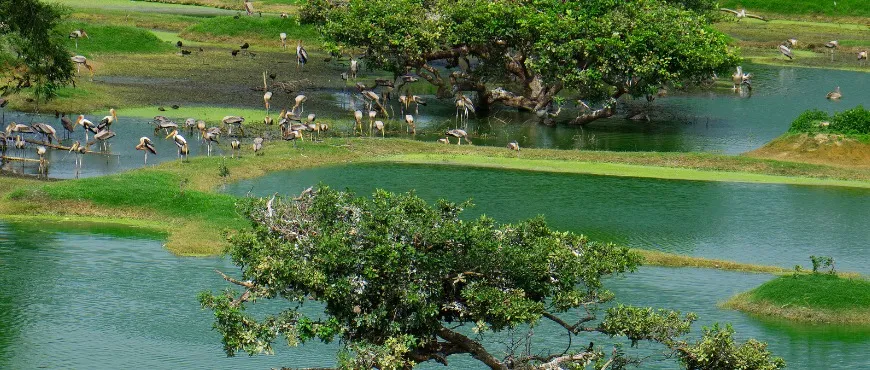
Vedanthangal Bird Sanctuary is a must-visit destination for bird and wildlife enthusiasts. Located near Mahabalipuram, this sanctuary ranks among the most prominent bird sanctuaries in India and hosts nearly 330,000 birds every year. Visitors can spot Spoonbills, Storks, Egrets, Herons, and several migratory bird species. The sanctuary lies about 89 km from Chennai, and the ideal time to visit is between November and February.
View more: Vedanthangal Bird Sanctuary
Vellore Fort
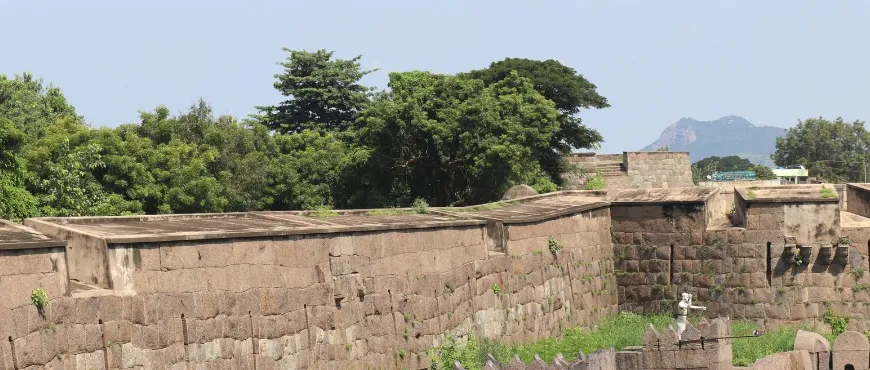
Vellore Fort stands as one of the most prominent landmarks in the city. The fort offers travelers a rich blend of cultural heritage and impressive Dravidian architecture, making it an ideal weekend destination for history enthusiasts.
The fort lies just 136 km from Chennai, and the best time to visit is between October and March. Nearby attractions include Sri Lakshmi Golden Temple and the Sri Venkateshwara Museum.
To explore these destinations comfortably, you can use public transport or choose a self-drive rental car for complete freedom. Many local providers offer self-drive options, but if you seek a reliable service, RenTrip Rentals stands out as a trusted brand. RenTrip operates in over 35 cities and offers an easy-to-use website and mobile application with a wide range of vehicles to choose from.
We hope this guide helps you plan an unforgettable journey. Travel safely, explore freely, and enjoy every moment of your weekend getaway from Chennai.