
The Kathithamalai Murugan Temple is a serene and powerful hill shrine dedicated to Lord Murugan, located near Dharapuram in Tiruppur district. This picturesque temple sits atop a rocky hill and is known for its divine ambience, panoramic views, and deep spiritual significance. Devotees visit Kathithamalai to seek blessings, inner peace, and divine protection, making it one of the treasured Murugan temples in the Kongu Nadu region.
History of Kathithamalai Murugan Temple
The history of Kathithamalai Murugan Temple is steeped in legends and ancient traditions. According to local lore, the hill was once a place of meditation for Siddhars, who worshipped Lord Murugan here. The name “Kathithamalai” is believed to originate from the Tamil word “Kaththi” (sacred weapon), symbolizing Murugan’s powerful Vel.
Temple inscriptions and oral traditions indicate contributions from Kongu Chola rulers and local chieftains who developed the temple pathways, steps, and mandapams. The temple’s age-old customs reflect its importance as a significant spiritual center in western Tamil Nadu.
Architectural Significance of Kathithamalai Murugan Temple
The Kathithamalai Murugan Temple embodies simple yet spiritually rich hill-temple architecture. Carved into natural rock formations, the temple offers a tranquil environment ideal for meditation and worship.
Important architectural features include:
- Rock-cut sanctum with Murugan in standing posture
- Shrines for Valli and Deivanai
- Pillared mandapams with traditional carvings
- Natural hills offering picturesque sunrise and sunset views
The scenic landscape and untouched natural beauty elevate the divine aura of the temple.
Pooja Details & Daily Rituals at Kathithamalai Murugan Temple
The Kathithamalai Murugan Temple follows traditional Tamil Murugan worship rituals. Daily poojas attract devotees from nearby towns and villages.
- Ushakkalam – Early Morning Pooja
- Kalasanthi – Morning Worship
- Uchikalam – Midday Ritual
- Sayaratchai – Evening Pooja
- Arthajama Pooja – Final Night Worship
Special abhishekams take place on Tuesdays, Fridays, Karthigai days, and on auspicious Murugan nakshatras like Visakam.
Temple Festivals at Kathithamalai Murugan Temple
Devotees celebrate several sacred Murugan festivals at Kathithamalai with devotion and grandeur.
- Thai Poosam – The most important festival celebrated with special rituals and hill processions.
- Panguni Uthiram – Commemorates divine marriage ceremonies.
- Skanda Sashti – Six-day festival symbolizing Murugan’s victory over evil.
- Karthigai Deepam – The entire hill glows with hundreds of lamps.
- Aadi Krithigai – A powerful day for Murugan worship.
Temple Timings of Kathithamalai Murugan Temple
Morning Darshan: 6:00 AM – 12:30 PM
Evening Darshan: 4:00 PM – 8:00 PM
Timings may extend on festival days or special occasions.
How to Reach Kathithamalai Murugan Temple
The temple is located close to Dharapuram and is easily accessible from Tiruppur and Erode regions.
By Air
Coimbatore International Airport (95 km) is the nearest airport with wide connectivity.
By Train
Tiruppur Railway Station (55 km) is the closest major station with trains from Chennai, Coimbatore, and Madurai.
By Road
Dharapuram is well connected by buses from Tiruppur, Erode, Coimbatore, Pollachi, and Palani. Local autos and taxis can take you to the foothill.
Travel Tips for Visiting Kathithamalai Murugan Temple
- Visit early morning or evenings for cooler weather and beautiful views.
- Wear comfortable footwear if climbing steps.
- Carry water, especially during summer.
- Photography is usually allowed around the hill but restricted inside sanctum areas.
- Combine with nearby temples for a complete pilgrimage experience.
Kathithamalai Murugan Temple – FAQ
Why is Kathithamalai Murugan Temple famous?
The temple is well known for its hilltop location, scenic natural beauty, and centuries-old Murugan worship traditions.
How difficult is the climb to the temple?
The climb is moderate, with steps leading to the top. Most devotees can reach comfortably.
What is the best time to visit the temple?
Early mornings, evenings, and festival days like Thai Poosam and Karthigai Deepam.
Is there vehicle access to the hill?
Yes, a motorable road is available for those who prefer not to climb.
Tourist Attractions near Tiruppur
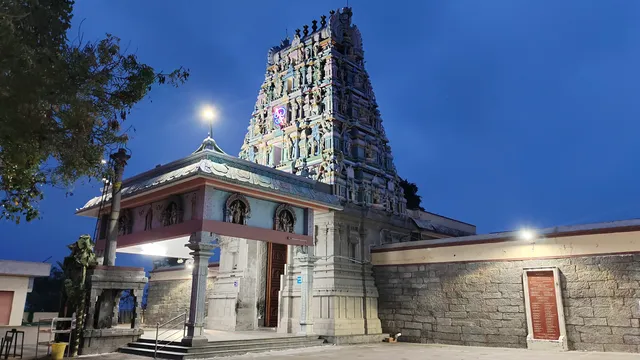
The Sivanmalai Murugan Temple, located near Kangeyam in the Tiruppur district, stands as a revered hill shrine dedicated to Lord Murugan. Known for its serene hilltop ambience, powerful divine vibrations, and rich spiritual heritage, the temple ranks among the most significant Murugan temples in the Kongu Nadu region. As a result, devotees regularly visit Sivanmalai to seek peace, divine blessings, and spiritual upliftment.
History of Sivanmalai Murugan Temple
The history of the Sivanmalai Murugan Temple is deeply rooted in ancient Tamil traditions and Siddhar worship. According to temple lore, revered Siddhars once inhabited the hill and performed intense penance, after which Lord Murugan blessed them with divine visions. Furthermore, the temple shares a close association with Sage Siva Muni, who worshipped Lord Murugan at this sacred site, thereby giving rise to the name Sivanmalai.
In addition, historical inscriptions and regional records point to the contributions of the Kongu Cholas, local chieftains, and Nayak rulers. Over time, these rulers expanded the temple structure and introduced well-defined worship practices that continue to this day.
Architectural Significance of Sivanmalai Murugan Temple
The Sivanmalai Murugan Temple follows the classic Dravidian hill-temple architectural style, seamlessly blending natural rock formations with traditional temple design. Situated atop a gentle hill, the temple is easily accessible through a series of steps as well as a motorable road.
Key architectural features include:
- Finely sculpted sanctum housing Lord Subramanya with the sacred Vel
- Serene mandapams and elegantly carved stone-pillared halls
- Panoramic views of Kangeyam town and the surrounding countryside
- Natural rock caves associated with ancient Siddhar meditation practices
Consequently, the temple’s simple design and pristine surroundings together enhance the spiritual atmosphere, offering devotees a deeply peaceful and fulfilling experience.
Pooja Details & Daily Rituals at Sivanmalai Murugan Temple
The temple follows traditional Murugan Agama rituals with poojas performed throughout the day.
- Ushakkalam – Early Morning Pooja
- Kalasanthi – Morning Ritual
- Uchikalam – Midday Worship
- Sayaratchai – Evening Pooja
- Arthajamam – Night Ritual
Special abhishekams take place on Tuesdays, Fridays, Karthigai days, and Murugan nakshatras like Visakam.
Temple Festivals at Sivanmalai Murugan Temple
Sivanmalai Murugan Temple celebrates several vibrant festivals that draw devotees across Tamil Nadu.
- Thai Poosam – The grandest festival featuring special rituals and processions.
- Panguni Uthiram – Celebrates the celestial union of Murugan.
- Skanda Sashti – Six-day festival marked by Murugan’s victory celebrations.
- Karthigai Deepam – The hill shines with thousands of oil lamps.
- Aadi Krithigai – Auspicious day for Murugan devotees.
Temple Timings of Sivanmalai Murugan Temple
Morning Darshan: 6:00 AM – 12:30 PM
Evening Darshan: 4:00 PM – 8:00 PM
On festival days and special occasions, temple hours may be extended.
How to Reach Sivanmalai Murugan Temple
Sivanmalai is located about 5 km from Kangeyam and is well connected by road and rail.
By Air
Coimbatore International Airport (75 km) is the nearest airport with domestic and international connectivity.
By Train
Tiruppur Railway Station (35 km) is the closest major station with frequent trains from Chennai, Coimbatore, Trichy, and Madurai.
By Road
Kangeyam is connected by buses from Tiruppur, Erode, Dharapuram, Pollachi, and Coimbatore. Autos and taxis are available to reach the temple base.
Travel Tips for Visiting Sivanmalai Murugan Temple
- Prefer early mornings or evenings for pleasant weather.
- Wear comfortable footwear if climbing the steps.
- Carry water, especially during summer months.
- Photography may be restricted inside the sanctum.
- Combine your visit with nearby temples in Kangeyam and Tiruppur.
Sivanmalai Murugan Temple – FAQ
Why is Sivanmalai Murugan Temple special?
It is renowned for its hilltop location, Siddhar history, and ancient Murugan worship traditions.
How many steps are there to reach the temple?
The hill has a moderate number of steps, making it accessible for most devotees.
What is the best time to visit?
Early mornings, evenings, and festival days such as Thai Poosam and Skanda Sashti.
Is there vehicle access to the hilltop?
Yes, a motorable road allows vehicles to reach near the temple entrance.
Tourist Attractions near Tiruppur
Panchalinga Waterfalls is a serene natural attraction located near Udumalaipettai in the Tiruppur District of Tamil Nadu. Nestled amid lush greenery, the waterfall offers a refreshing escape for nature lovers, photographers, and travelers seeking tranquility.
Scenic Beauty of Thirumoorthy Hills
The falls lie close to the picturesque Thirumoorthy Hills, a region widely admired for its natural charm and frequent use as a film shooting location. Water cascades gently from a height of about 5 meters, creating a soothing ambiance ideal for relaxation and meditation. As a result, visitors often spend quiet moments enjoying the peaceful surroundings.
Thirumoorthy Dam & Nearby Attractions
Located near the waterfall, Thirumoorthy Dam adds to the area’s appeal. The dam offers facilities such as boating, landscaped gardens, and a swimming pool. Moreover, expansive paddy fields, coconut groves, and sunflower farms surround the dam, enhancing the scenic beauty.
Religious & Tourist Importance
Panchalinga Waterfalls also holds spiritual significance due to its proximity to the Thirumoorthy Temple and Sri Amanalingeswarar Temple. Therefore, the area attracts both pilgrims and tourists, making it a perfect blend of nature, devotion, and leisure.
Panchalinga Waterfalls – FAQ
Where is Panchalinga Waterfalls located?
Panchalinga Waterfalls is located near Thirumoorthy Hills in Tiruppur district, Tamil Nadu, close to Udumalaipettai.
Why is Panchalinga Waterfalls famous?
The waterfalls is famous for its natural beauty and the five Shiva lingams (Panchalingas) located near the cascading waters, giving it spiritual significance.
Is Panchalinga Waterfalls suitable for bathing?
Yes, visitors can enjoy bathing in the shallow areas of the falls, especially during seasons with moderate water flow. However, caution is advised during heavy monsoon.
What is the best time to visit Panchalinga Waterfalls?
The best time to visit is between October and February when the weather is pleasant and the water flow is steady.
Are there entry fees for Panchalinga Waterfalls?
A nominal entry fee may be charged by local authorities. Parking facilities are usually available near the entrance.
Tourist Attractions near Tiruppur
Thiruppukkozhiyur, widely known as the Avinashi Lingeshwarar Temple, is a revered Hindu shrine dedicated to Lord Shiva. Devotees also recognize this sacred site as the Karunaiyaaththaal Temple and Avinasilingeswarar Temple. It is located in Avinasi, a panchayat town in the Tiruppur district of Tamil Nadu. Owing to its spiritual importance and rich legacy, the temple continues to attract pilgrims from across the state.
Image Attribution: @pratheesh_npl from Instagram
History of Avinashi Lingeshwarar Temple
The Arulmigu Avinashi Lingeshwarar Temple carries a long and illustrious history that spans several centuries. Although different historical records present slight variations, the temple remains a vital religious and cultural landmark in South India.
Chola Period: Historical inscriptions reveal that the Chola dynasty actively patronized and developed the temple between the 9th and 13th centuries. These inscriptions highlight the generous contributions of Chola rulers toward temple rituals and structural expansion.
Vijayanagara Period: Later, during the Vijayanagara Empire, rulers renovated and enhanced the temple. Consequently, several architectural elements and sculptures from this era reflect the artistic style of Vijayanagara craftsmanship.
Architecture of Avinashi Lingeshwarar Temple
The temple complex welcomes devotees through majestic gopurams adorned with intricate sculptures and vibrant carvings. At the heart of the complex, the main sanctum rises beneath a beautifully structured vimana, a pyramidal tower decorated with mythological and religious motifs.
In addition, the temple features several mandapams that host rituals and ceremonies. Notably, the Kalyana Mandapam serves as the venue for celebrating the divine marriage of the presiding deities. These halls display elaborate sculptures and painted panels that narrate sacred stories.
Deities of Avinashi Lingeshwarar Temple
Lord Shiva (Avinashi Lingeshwarar): The presiding deity appears as a Lingam. Devotees offer prayers here to seek spiritual growth, protection, and divine grace.
Goddess Parvati (Periyanayaki Amman): Goddess Parvati resides in a separate sanctum as Periyanayaki Amman. She blesses devotees with prosperity, harmony, and wellbeing.
Navagrahas: The temple also houses a shrine for the nine planetary deities. Worshippers visit this shrine to reduce planetary afflictions and restore balance in life.
Sapta Matrukas: The seven divine mothers symbolize protective energies and represent various forms of Shakti worshipped within the temple premises.
Dakshinamurthy: Lord Dakshinamurthy appears as the supreme teacher. Devotees seek wisdom, knowledge, and spiritual clarity through his blessings.
Temple Timings and Pooja Schedule
The temple remains open to devotees during the following hours:
- 5:00 AM to 1:00 PM
- 4:00 PM to 8:00 PM
The temple performs six daily poojas:
- Kalasanthi – 6:00 AM
- Irandam Kalam – 9:00 AM
- Uchikalam – 12:00 PM
- Sayarakshai – 6:00 PM
- Irandam Kalam – 7:30 PM
- Arthajamam – 9:00 PM
Festivals at Avinashi Lingeshwarar Temple
Maha Shivaratri stands as the most significant festival celebrated at the temple. On this sacred night, devotees gather in large numbers to observe special rituals, night-long prayers, and abhishekams dedicated to Lord Shiva.
Similarly, Arudra Darshanam, observed during the Tamil month of Margazhi (December–January), holds special importance. Devotees perform elaborate abhishekams and offer prayers during the Arudra Nakshatra.
Additionally, the temple celebrates festivals such as Navaratri, Thirukarthikai, Chitra Pournami, and Pournami Girivalam with great devotion and spiritual fervor.
How to reach Avinashi Lingeshwarar Temple:
- By Air: The closest major airport is Coimbatore International Airport, offering connections to various cities across India. Upon arrival at the airport, you can opt for a taxi or explore alternative transport methods to cover the approximately 35-kilometer journey to Avinashi.
- By Train: Although Avinashi lacks its own railway station, you can reach the nearby Coimbatore Junction, a significant rail hub in the region with excellent connections to multiple Indian cities. Once at Coimbatore Junction, you have the choice of hiring a taxi, boarding a train, or taking a bus to reach Avinashi, which is roughly 35 kilometers away.
- By Road: Avinashi is conveniently accessible via road, with a well-developed network of highways. You can reach Avinashi by using a private vehicle, hiring a taxi, or opting for bus transportation. The town is situated along National Highway 544, providing easy access from nearby urban centers such as Coimbatore, Tirupur, and Erode.
To give you an idea of distances:
- Coimbatore to Avinashi: Approximately 35 kilometers (a roughly 45-minute drive).
- Tirupur to Avinashi: Approximately 30 kilometers (a roughly 40-minute drive).
- Erode to Avinashi: Approximately 90 kilometers (a roughly 2-hour drive).
Arulmigu Avinashi Lingeshwarar Temple – FAQ
Where is Arulmigu Avinashi Lingeshwarar Temple located?
The temple is located in Avinashi town in Tiruppur district, Tamil Nadu, about 40 kilometres from Coimbatore.
Why is Avinashi Lingeshwarar Temple famous?
The temple is famous for its association with Sundarar, one of the 63 Nayanmars, who is believed to have revived a boy swallowed by a crocodile through divine grace.
What is the significance of the temple?
Dedicated to Lord Shiva as Avinashi Lingeshwarar, the temple is considered a powerful Paadal Petra Sthalam praised in the Tevaram hymns.
What are the temple timings?
The temple is generally open from 5:30 AM to 12:30 PM and from 4:00 PM to 8:30 PM. Timings may vary during festival days.
Which festivals are celebrated at the temple?
Major festivals include Maha Shivaratri, Panguni Uthiram, and the annual car festival, which attract large numbers of devotees.
Tourist Attractions near Tiruppur
The Amaravathi Crocodile Farm is a well-known tourist attraction located in Amaravathi, a town in the Tiruppur district of Tamil Nadu. Officially named the Amaravathi Crocodile Rehabilitation and Research Centre, this facility actively focuses on the conservation, breeding, and protection of crocodiles. As a result, it plays a vital role in safeguarding endangered crocodile species while also educating the public.
Crocodile Breeding at Amaravathi Crocodile Farm
The farm actively breeds multiple crocodile species, including the Mugger crocodile and the Indian Gharial. Through structured breeding programs, the center contributes significantly to the rehabilitation and long-term survival of these reptiles, which face serious threats in the wild.
Mugger Crocodile
The Mugger crocodile (Crocodylus palustris) is a medium-sized freshwater crocodile native to the Indian subcontinent. Typically, adult Muggers grow between 8 and 10 feet in length, although some individuals can reach up to 13 feet. These crocodiles primarily inhabit rivers, lakes, marshes, and reservoirs. Moreover, their adaptability allows them to survive even in brackish water environments across a wide geographical range.
Indian Gharial
The Indian Gharial (Gavialis gangeticus) is a critically endangered crocodilian species endemic to the Indian subcontinent. It is easily identified by its long, narrow snout, which is perfectly adapted for catching fish. Among crocodilians, Gharials rank among the largest, with adult males reaching lengths of 15 to 20 feet.
Primarily, they inhabit fast-flowing rivers such as the Ganges, Brahmaputra, and Indus.
Research at Amaravathi Crocodile Farm
In addition to conservation, the Amaravathi Crocodile Rehabilitation and Research Centre actively supports scientific research. The center studies crocodile behavior, biology, and ecology to better understand their survival needs and environmental challenges.
Crocodile Behavior and Biology: Researchers examine feeding patterns, reproduction, territorial behavior, and responses to environmental changes, with a special focus on Mugger crocodiles and Indian Gharials.
Habitat Studies: Scientists also analyze natural habitats and environmental conditions that influence crocodile populations. Consequently, these studies help design effective conservation strategies.
Conservation Programs: Research findings support captive breeding, habitat restoration, and the reintroduction of crocodiles into suitable wild environments.
Genetic Research: Furthermore, genetic studies help assess population health, identify inbreeding risks, and improve long-term breeding programs.
Education and Visitor Experience
The crocodile farm also functions as an educational hub. Visitors can learn about crocodile species, their ecological importance, and ongoing conservation efforts.
Visitor Center: The facility includes a visitor center with informative displays, educational panels, and live viewing areas.
Guided Tours: Additionally, guided tours provide detailed insights into crocodile biology, safety practices, and conservation initiatives, making the visit both informative and engaging.
Awareness and Outreach Programs
To promote awareness, the farm regularly hosts school visits and educational tours. These programs often include interactive sessions, guided walks, and presentations that help students understand wildlife conservation. Moreover, awareness initiatives encourage public participation through volunteering, crocodile adoption programs, and conservation donations. The center also collaborates with NGOs, wildlife departments, and government agencies to strengthen conservation efforts. In the digital era, the farm extends its outreach through online platforms, virtual tours, and social media, thereby reaching a wider audience beyond physical visitors.
Visiting Hours and Entry Fee
The Amaravathi Crocodile Farm welcomes visitors every day from 9:00 AM to 6:00 PM. The entry fee is Rs. 20 per person. Additionally, visitors must pay Rs. 20 for camera usage and bikes, while car parking costs Rs. 50. Therefore, the farm offers an affordable and enriching experience for
How to reach Amaravathi Crocodile Farm:
- Traveling by Road:
- From Tiruppur: If you’re starting your journey from Tiruppur, simply head east in the direction of Amaravathi. The crocodile farm is situated approximately 25-30 kilometers to the east of Tiruppur, accessible via State Highway 21.
- From Nearby Cities: If you’re traveling from nearby cities like Coimbatore, utilize major highways such as NH 67 and NH 544 to reach Tiruppur. Once in Tiruppur, follow the aforementioned directions to reach the crocodile farm.
- Traveling by Train:
- Using the Nearest Railway Station: The closest major railway station to Amaravathi is Tiruppur Junction. You can opt for a train to Tiruppur from various cities, and from there, you can continue your journey by road to reach the crocodile farm.
- Traveling by Air:
- Utilizing the Nearest Airport: Coimbatore International Airport serves as the nearest airport to Amaravathi. You can book a flight to Coimbatore from major cities across India. Upon arrival at Coimbatore, you can then hire a taxi or use public transportation to make your way to Amaravathi, which is approximately 60-70 kilometers from the airport.
FAQ’s
Where is Amaravathi Crocodile Farm located?
Amaravathi Crocodile Farm is located near Amaravathi Dam in Tiruppur district, Tamil Nadu, close to Udumalaipettai.
Why is Amaravathi Crocodile Farm famous?
It is famous for housing a large population of mugger crocodiles (marsh crocodiles) and plays an important role in crocodile conservation and breeding.
What are the visiting hours of Amaravathi Crocodile Farm?
The farm is generally open from 9:00 AM to 6:00 PM. Timings may vary on public holidays and maintenance days.
Is there an entry fee for Amaravathi Crocodile Farm?
Yes, visitors are required to pay a nominal entry fee. Additional charges may apply for camera usage.
What are the nearby attractions?
People can also explore Amaravathi Dam, Amaravathi Reservoir, and Thirumoorthy Hills, making it a perfect one-day trip destination.
Tourist Attractions near Tiruppur
Thirumoorthy Waterfalls is a breathtaking natural attraction located near the Thirumoorthy Dam in the Western Ghats of Tiruppur District, Tamil Nadu. Specifically, the waterfalls lie in the Anaimalai Hills near the town of Udumalpet and form part of the Anaimalai Tiger Reserve. As a result, the falls are surrounded by dense forests and rich biodiversity, offering visitors a refreshing escape into nature.
Scenic Beauty of Thirumoorthy Waterfalls
The waterfalls are enveloped by lush and verdant forests, while the Anaimalai Hills and the Western Ghats together create a stunning natural backdrop. Consequently, the thick green canopy and diverse plant life form a vibrant and refreshing environment.
Moreover, Thirumoorthy Waterfalls present a spectacular sight as water cascades down in multiple tiers. The powerful flow creates a mesmerizing display of nature’s strength and elegance, making both the sight and sound of the falls truly captivating and soothing.
At the base of the waterfalls, natural pools form from the cascading streams. Therefore, these pools offer a serene and inviting space for visitors to take a refreshing dip, cool off, or simply relax while soaking in the tranquil surroundings.
Religious Significance
The waterfalls derive their name from the nearby Thirumoorthy Temple, a sacred shrine dedicated to Lord Murugan. As a result, the site holds significant spiritual and cultural importance. Many pilgrims customarily include a visit to both the temple and the waterfalls as part of their religious journey.
Trekking Adventure
To reach Thirumoorthy Waterfalls, visitors usually undertake a trek through the surrounding forest area. Along the way, the trail offers an adventurous experience through the wilderness, allowing trekkers to observe local flora and fauna. However, visitors should prepare for a moderately challenging trek, as certain sections of the trail can be demanding.
Visiting Hours and Entry Fee of Thirumoorthy Waterfalls
Thirumoorthy Waterfalls remain open to visitors from 08:30 AM to 04:00 PM. The entry fee is Rs. 5/- per person, while car parking is charged at Rs. 50/-. However, the forest department restricts entry during periods of heavy rainfall or flooding to ensure visitor safety.
How to reach Thirumoorthy waterfalls:
By Air: The closest major airport to Thirumoorthy Waterfalls is Coimbatore International Airport, situated roughly 75 kilometers away. Upon your arrival at the airport, you have the option to hire a taxi or board a bus to reach your final destination.
By Train: The nearest railway station is Pollachi Junction, positioned at a distance of about 27 kilometers from Thirumoorthy Waterfalls. You can access Pollachi by train from major cities in Tamil Nadu and various regions across India. From Pollachi, you can make use of taxi services or take a bus to reach the waterfalls.
By Road: Thirumoorthy Waterfalls is well-connected by road. If you are traveling by car or bus, you can use the road network to reach your destination. Here are approximate road routes:
- From Coimbatore: Head south on the NH83 highway towards Pollachi. After reaching Pollachi, follow the Pollachi-Valparai Road (SH78) to reach Thirumoorthy Waterfalls.
- From Palakkad, Kerala: Travel east on the NH544 towards Pollachi. Once in Pollachi, take the Pollachi-Valparai Road (SH78) to reach the falls.
- From Tiruppur: Take the SH21 highway south towards Palladam and Pollachi. After reaching Pollachi, proceed on the Pollachi-Valparai Road (SH78) to reach Thirumoorthy Waterfalls.
Thirumoorthy Waterfalls – FAQ
Where is Thirumoorthy Waterfalls located?
Thirumoorthy Waterfalls is located near Thirumoorthy Hills in Tiruppur district, Tamil Nadu, about 20 kilometres from Udumalaipettai.
Why is Thirumoorthy Waterfalls famous?
The waterfalls is famous for its scenic beauty, refreshing bathing spots, and proximity to the Thirumoorthy Dam and Panchalinga Temple.
Is Thirumoorthy Waterfalls safe for bathing?
Yes, visitors can bathe in designated shallow areas. However, caution is advised during monsoon season due to increased water flow.
What is the best time to visit Thirumoorthy Waterfalls?
The best time to visit is from October to February when the weather is pleasant and the water flow is steady.
Are there entry fees for Thirumoorthy Waterfalls?
A nominal entry fee may be collected by local authorities. Parking facilities and basic amenities are available near the site.
Tourist Attractions near Tiruppur
Thirumoorthy Dam is located near the town of Udumalpet in the Western Ghats region of the Tiruppur district of Tamil Nadu. Built across the Thirumoorthy River, a tributary of the Bhavani River, the dam is surrounded by lush forests and rolling hills, making it one of the most scenic destinations in the region. Because of its natural setting and calm atmosphere, Thirumoorthy Dam attracts nature lovers, photographers, and travelers seeking a peaceful getaway.
Purpose of the Thirumoorthy Dam
The primary purpose of Thirumoorthy Dam is water storage. It collects water from the Thirumoorthy River and supplies it for irrigation and drinking water needs in nearby areas. In addition, the controlled release of water from the dam supports agricultural activities, helping farmers sustain crops and contributing significantly to the local economy. Moreover, like many multipurpose dams, Thirumoorthy Dam may also support hydropower generation, thereby contributing to regional electricity needs when facilities are available.
Boating in Thirumoorthy Dam
Boating at Thirumoorthy Dam is a popular recreational activity that allows visitors to relax while enjoying the serene surroundings of the reservoir. Visitors can usually choose from different boating options such as rowboats, paddleboats, and motorboats, depending on availability. Each option offers a unique way to experience the calm waters and scenic beauty. Furthermore, boating provides stunning views of the Western Ghats, with green hills, dense forests, and clear waters creating a tranquil environment. As a result, the dam has become a favorite spot for nature lovers and photography enthusiasts.
Bird Watching in Thirumoorthy Dam
The Western Ghats region surrounding Thirumoorthy Dam serves as an ideal habitat for a wide variety of bird species. The combination of forests, water bodies, and open landscapes attracts both resident and migratory birds. Commonly spotted birds include kingfishers, herons, egrets, storks, darters, cormorants, parakeets, bulbuls, and various waterfowl. Depending on the season, birdwatchers may also encounter raptors, flycatchers, warblers, and other woodland birds.
Trekking and Adventure in Thirumoorthy Dam
Trekking and adventure activities around Thirumoorthy Dam offer exciting opportunities for outdoor enthusiasts to explore the untouched beauty of the Western Ghats. One of the most popular trails leads to the Thirumoorthy Waterfalls. This moderately challenging trek passes through forest paths and offers breathtaking views along the way. The trail ends at the waterfalls, where visitors can relax and enjoy the refreshing natural pool. Additionally, depending on available facilities, adventure seekers may participate in activities such as rock climbing, rappelling, or zip-lining in the nearby hills, adding thrill to the overall experience.
The Thirumoorthy Temple
The Thirumoorthy Temple, also known as Thirumoorthy Malai Temple, is dedicated to Lord Murugan, also called Lord Subramanya. Located near the dam, the temple serves as an important spiritual center for devotees. Devotees visit the temple to offer prayers, perform rituals, and seek the blessings of Lord Murugan. As a result, the area around Thirumoorthy Dam beautifully blends natural beauty with spiritual significance.
Visiting Hours of the Thirumoorthy Dam:
The Thirumoorthy Dam is open from 9:00 AM to 05:00 PM.
How to reach Thirumoorthy Dam:
By Air: To reach Thirumoorthy Dam, you can opt for air travel, with the closest major airport being Coimbatore International Airport, situated approximately 65 kilometers away. From the airport, you have the convenience of hiring a taxi or taking a bus to reach Thirumoorthy Dam.
By Train: Another viable mode of transportation is by train, with Pollachi Junction being the nearest railway station, approximately 40 kilometers away from Thirumoorthy Dam. Pollachi is well-connected to major cities in Tamil Nadu and various regions of India. Once you arrive at Pollachi, you can hire a taxi or take a bus to complete your journey to the dam.
By Road: Thirumoorthy Dam boasts excellent road connectivity. You can efficiently navigate the road network to reach your destination. If you’re traveling by car or bus, consider these approximate road routes:
- From Coimbatore: Head south on the NH83 highway in the direction of Pollachi. Upon reaching Pollachi, follow the Pollachi-Valparai Road (SH78) to reach Thirumoorthy Dam.
- From Palakkad, Kerala: Travel east on the NH544 towards Pollachi. Upon arriving in Pollachi, take the Pollachi-Valparai Road (SH78) to reach your destination.
- From Tiruppur: Take the SH21 highway south towards Palladam and Pollachi. Once you reach Pollachi, proceed on the Pollachi-Valparai Road (SH78) to reach Thirumoorthy Dam.
Thirumoorthy Dam – FAQ
Where is Thirumoorthy Dam located?
Thirumoorthy Dam is located at the foothills of Thirumoorthy Hills near Udumalpet in Tiruppur district, Tamil Nadu.
Why is Thirumoorthy Dam famous?
The dam is famous for its scenic reservoir views, surrounding Western Ghats landscapes, and proximity to Thirumoorthy Waterfalls and Panchalinga Temple.
Is boating available at Thirumoorthy Dam?
Boating facilities are occasionally available depending on water levels and local regulations. Visitors primarily enjoy sightseeing and photography around the reservoir.
What is the best time to visit Thirumoorthy Dam?
The best time to visit is between October and February when the climate is pleasant and the reservoir is filled after the monsoon.
Are there entry fees at Thirumoorthy Dam?
A nominal entry fee may be charged by local authorities. Parking facilities and basic amenities are available near the dam area.