
The Thirumala Thirupathi Devasthanam (TTD) Temple in T. Nagar, Chennai, is one of the most visited spiritual centers dedicated to Lord Venkateswara, the presiding deity of Tirumala. Established to bring the blessings of Tirupati Balaji closer to devotees in Tamil Nadu, this temple serves as a divine extension of the world-famous Tirumala shrine. Known for its serene ambience, disciplined rituals, and traditional Vaishnavite customs, the temple attracts thousands of devotees daily.
History of Thirumala Thirupathi Devasthanam T Nagar
The TTD T. Nagar temple was established by the Tirumala Tirupati Devasthanams as part of its mission to provide easy access to worship and spiritual services across major cities. The temple replicates the rituals and practices of the Tirumala temple and serves as the regional devotional hub for Balaji devotees in Chennai.
Over the years, the temple complex has expanded to include shrines for Lord Ganapathi, Goddess Padmavati, Lord Rama, Lord Hanuman, and other deities. The temple also conducts spiritual classes, Annadanam, Veda parayanam, and cultural events that strengthen Vaishnavite traditions.
Architectural Significance of Thirumala Thirupathi Devasthanam T Nagar
The TTD temple in T. Nagar features beautiful South Indian temple architecture inspired by the Tirumala sanctum. The serene environment, spacious prakarams, and intricate carvings add to its sacred charm.
Key architectural features include:
- Elegant gopuram with Vaishnavite symbols
- Main sanctum with Lord Venkateswara in traditional Tirumala style
- Shrines for Padmavati, Andal, Hanuman, and Alwars
- Prasadam counters offering Tirupati-style laddu and puliyodarai
- Large mandapam for spiritual gatherings and Utsavams
Pooja Details & Daily Rituals at Thirumala Thirupathi Devasthanam T Nagar
The temple follows Tirumala-style Vaikhanasa Agama rituals performed by trained priests. Daily poojas include:
- Suprabhatham – Early morning wake-up ritual
- Thomala Seva – Flower garland worship
- Archana and Sahasranama Parayanam
- Uchikala Pooja – Midday worship
- Sayaratchai – Evening rituals
- Ekantha Seva – Night offering
Devotees can book special poojas such as Vishnu Sahasranama Archana, Kalyanotsavam, and Arjitha Sevas at designated counters.
Temple Festivals at Thirumala Thirupathi Devasthanam T Nagar
The temple celebrates major Vaishnavite festivals with grandeur, mirroring the traditions of Tirumala.
- Brahmotsavam – The most important festival with daily vahanams
- Vaikunta Ekadasi – Opening of the sacred Sorgavaasal
- Pavithrotsavam – Purification and spiritual renewal rituals
- Rama Navami – Celebrations for Lord Rama
- Hanuman Jayanti – Special abhishekam and pujas
- Sri Krishna Janmashtami – Devotional chanting and Utsavams
Temple Timings of Thirumala Thirupathi Devasthanam T Nagar
Morning: 6:00 AM – 12:00 PM
Evening: 4:00 PM – 9:00 PM
On festival days, temple timings may be extended for darshan and special sevas.
How to Reach Thirumala Thirupathi Devasthanam T Nagar
The temple is located in the heart of Chennai’s T. Nagar, a major commercial and residential hub.
By Air
Chennai International Airport (14 km) is the nearest airport.
By Train
The nearest railway stations are Mambalam, Kodambakkam, and Chennai Central.
By Road
Frequent buses, autos, and taxis connect T. Nagar with all parts of Chennai. The temple is easily accessible from Usman Road and North Usman Road.
Travel Tips for Visiting Thirumala Thirupathi Devasthanam T Nagar
- Visit early mornings or evenings for a peaceful darshan.
- Special seva days and Vaikunta Ekadasi attract large crowds.
- Prasadam counters offer TTD-style laddu and puliyodarai.
- Footwear counters and drinking water facilities are available.
- Combine your visit with shopping at T. Nagar’s famous commercial streets.
Thirumala Thirupathi Devasthanam T Nagar – FAQ
Why is TTD T. Nagar Temple famous?
It brings Tirumala-style worship to Chennai and offers daily sevas, prasadam, and spiritual services similar to the main Tirupati temple.
Can I book special poojas?
Yes, special sevas and archana tickets can be booked at the TTD counters within the temple.
What is the best time to visit?
Early mornings, festival days like Vaikunta Ekadasi, and the Brahmotsavam period are spiritually significant.
Does the temple offer prasadam?
Yes, authentic TTD-style laddu, curd rice, pongal, and puliyodarai are available.
Is parking available?
Limited parking is available, but T. Nagar’s streets can be busy during peak hours.
Tourist Attractions near Chennai
The Mahalingapuram Sree Ayyappa Temple, located in Nungambakkam, Chennai, stands as one of the most prominent Ayyappa temples outside Kerala. Built in the traditional Kerala architectural style, this sacred shrine is dedicated to Lord Ayyappa, the deity of dharma, discipline, and devotion. As a result, the temple holds immense spiritual importance for devotees observing the Sabarimala Vratham and serves as a central hub for Ayyappa worship in Chennai.
History of Mahalingapuram Sree Ayyappa Temple
The Mahalingapuram Sree Ayyappa Temple was established during the 1970s by devoted Ayyappa followers in Chennai who envisioned a permanent place for worship and spiritual gatherings. Accordingly, the temple was constructed following Kerala Tantric traditions under the guidance of revered priests and scholars.
Over time, the temple gained widespread recognition as a major preparatory center for Sabarimala pilgrims. Consequently, it began offering vratham initiation, special poojas, and spiritual guidance. Eventually, the temple expanded to include shrines for Lord Ganesha, Lord Subramanya, Navagrahas, and Goddess Durga, thereby evolving into a comprehensive spiritual complex.
Architectural Significance of Mahalingapuram Sree Ayyappa Temple
The temple showcases classic Kerala temple architecture, featuring sloping tiled roofs, elegant wooden carvings, and traditional brass lamps. Moreover, the serene and disciplined atmosphere of the temple reflects the core spiritual values associated with Lord Ayyappa, namely purity, austerity, and unwavering devotion.
Notable architectural highlights of the temple include:
- Main sanctum housing Lord Ayyappa in a standing posture
- Traditional Kerala-style lamp towers (Deepasthambams)
- Wooden mandapams adorned with intricate carvings
- Shrines dedicated to Ganapathi, Subramanya, Durga, and Navagrahas
- A calm and sacred temple pond used for holy rituals
Pooja Details & Daily Rituals at Mahalingapuram Sree Ayyappa Temple
The temple strictly follows Kerala Tantric rituals, maintaining discipline and ritual purity at all times. Therefore, highly trained Kerala priests perform the daily poojas with great devotion and precision.
- Nirmalyam – Early morning ritual
- Abhishekam – Sacred ceremonial bath for the deity
- Usha Pooja – Morning worship
- Uchcha Pooja – Midday offering
- Deeparadhana – Evening lamp worship
- Athazha Pooja – Night ritual
During the Mandala and Makara Vilakku season, the temple conducts special poojas, bhajans, and annadanam. As a result, thousands of devotees gather here to seek blessings and spiritual fulfillment.
Temple Festivals at Mahalingapuram Sree Ayyappa Temple
The Mahalingapuram Sree Ayyappa Temple celebrates several important festivals throughout the year, especially during the Sabarimala pilgrimage season.
- Mandala Pooja – A 41-day vratham marked by continuous bhajans and rituals
- Makara Vilakku – A grand celebration featuring special deeparadhana
- Vishu – Observance of the traditional Kerala New Year
- Navaratri – Festivities dedicated to Goddess Durga
- Karthigai Deepam – The temple illuminated with rows of sacred oil lamps
Temple Timings of Mahalingapuram Sree Ayyappa Temple
Morning: 5:00 AM – 11:00 AM
Evening: 5:00 PM – 9:00 PM
During Mandala–Makara season, temple hours may be extended for darshan.
How to Reach Mahalingapuram Sree Ayyappa Temple
The temple is centrally located in Nungambakkam, making it easily accessible from all parts of Chennai.
By Air
Chennai International Airport (15 km) is the nearest airport.
By Train
Nungambakkam Railway Station and Chennai Central are the closest major stations.
By Road
Frequent buses, metro trains (Nearest: Nungambakkam Metro & Kilpauk Metro), autos, and taxis connect to Mahalingapuram.
Travel Tips for Visiting Mahalingapuram Sree Ayyappa Temple
- Best visited during early morning or evening for peaceful darshan.
- During Mandala season, expect large crowds — plan early.
- Devotees observing vratham must follow traditional dress codes.
- Photography is usually not permitted inside sanctums.
- Carry offerings like coconut, ghee, and flowers available nearby.
Mahalingapuram Sree Ayyappa Temple – FAQ
Why is Mahalingapuram Ayyappa Temple famous?
It is the most prominent Ayyappa temple in Chennai and a major preparatory center for Sabarimala devotees.
What is the best time to visit the temple?
Early mornings and evenings. The Mandala–Makara season is the most spiritually significant.
Is there a dress code for devotees?
Devotees observing vratham usually wear black or saffron, but regular visitors may wear modest traditional attire.
Are special poojas available?
Yes, special offerings, abhishekams, ghee offerings, and vratham initiations can be booked at the temple office.
How far is the temple from Chennai Central?
Approximately 7 km, with easy connectivity via train, metro, and road.
Tourist Attractions near Chennai
The Thyagaraja Temple in Tiruvottiyur, located in North Chennai, is one of Tamil Nadu’s oldest and most revered Shiva temples. Dedicated to Lord Thyagaraja (a form of Shiva) and Goddess Vadivudai Amman, the temple is a Paadal Petra Sthalam glorified in the Tevaram hymns of Nayanmars. With its rich history, sacred rituals, and powerful divine energy, the temple remains a major spiritual landmark for devotees across India.
History of Thyagaraja Temple Tiruvottiyur
The history of the Tiruvottiyur Thyagaraja Temple spans more than 1,200 years, making it one of the oldest temples in Chennai. The temple is mentioned in the hymns of Appar, Sundarar, and Thirugnanasambandar, signifying its ancient importance. According to legend, Lord Shiva manifested here as Othiyur Nathar to bless saints and sages performing penance.
Historical records from the Chola, Pandya, and Vijayanagara periods show significant patronage and architectural contributions. The bronze idol of Thyagaraja, associated with traditional “Ajapa Natanam” (dance without movement), is one of the most sacred forms in Shaivism.
Architectural Significance of Thyagaraja Temple Tiruvottiyur
The temple’s architecture reflects classic Dravidian grandeur with towering gopurams, wide courtyards, and intricately carved pillars. Spread across 8 acres, it is one of Chennai’s largest temple complexes.
Important architectural features include:
- Majestic Raja Gopuram soaring with detailed sculptures
- Othiyur Nathar sanctum representing the main Shiva shrine
- Vadivudai Amman shrine, one of the famous “Trinity of Shakti Temples” of Chennai
- Bronze idol of Thyagaraja performing the Ajapa Dance
- Ancient temple tank “Panchamukha Kulam”
Pooja Details & Daily Rituals at Thyagaraja Temple Tiruvottiyur
The temple follows strict Shaivite Agama traditions with six daily poojas performed to both Thyagaraja Swamy and Vadivudai Amman.
- Ushakkalam – Early Morning Pooja
- Kalasanthi – Morning Ritual
- Uchikalam – Midday Pooja
- Sayaratchai – Evening Worship
- Irandam Kalam – Late Evening Ritual
- Arthajama Pooja – Night Offering
Devotees also perform coconut offerings, lighting of lamps, and special archanas for marital harmony and good health.
Temple Festivals at Thyagaraja Temple Tiruvottiyur
The temple hosts numerous festivals filled with rich cultural and spiritual significance.
- Brahmotsavam – One of the grandest annual celebrations
- Aadi Pooram – Main festival for Vadivudai Amman
- Maha Shivaratri – Night-long worship with abhishekams
- Margazhi Thiruvizha – Celebrated with devotional music & rituals
- Karthigai Deepam – Temple illuminated with thousands of lamps
- Pradosham – Bi-monthly special rituals for Shiva
Temple Timings of Thyagaraja Temple Tiruvottiyur
Morning: 5:00 AM – 12:00 PM
Evening: 4:00 PM – 9:00 PM
Special festival days may have extended timings.
How to Reach Thyagaraja Temple Tiruvottiyur
The temple is located in Tiruvottiyur, North Chennai, and is well connected by road and rail.
By Air
Chennai International Airport (30 km) is the nearest airport.
By Train
The nearest station is Tiruvottiyur Railway Station on the Chennai suburban line.
By Road
Regular MTC buses run from Broadway, Central, T. Nagar, and other major locations. Autos and cabs are easily available.
Travel Tips for Visiting Thyagaraja Temple Tiruvottiyur
- Visit early morning for peaceful darshan.
- Festival days, especially Shivaratri and Aadi Pooram, attract very large crowds.
- Footwear facilities are available near the entrance.
- Photography is not allowed inside the inner sanctums.
- Combine with nearby temples like Ennore Angala Parameswari and Thiruvottiyur beach area.
Thyagaraja Temple Tiruvottiyur – FAQ
Why is the Tiruvottiyur Thyagaraja Temple famous?
It is famous for being one of the oldest Shiva temples, celebrated in Tevaram hymns, and home to the divine Thyagaraja form associated with Ajapa Dance.
Who is the presiding deity?
Lord Othiyur Nathar (Shiva) and Goddess Vadivudai Amman are the main deities.
Is it part of any spiritual circuit?
Yes, Vadivudai Amman is part of the famous “Trinity of Shakti Temples” along with Mangadu and Thiruvudai Amman.
What is the best time to visit?
Early mornings and evenings offer peaceful darshan. Festivals like Aadi Pooram and Shivaratri are highly auspicious.
How far is Tiruvottiyur from Chennai Central?
It is around 10 km and easily reachable via suburban trains and city buses.
Tourist Attractions near Chennai
The Thiruverkadu Devi Karumariamman Temple, located near Chennai, is one of the most powerful and ancient Shakti temples of Tamil Nadu. Dedicated to Goddess Karumariamman, a fierce and compassionate form of Shakti, this temple draws millions of devotees who seek blessings for health, protection, fertility, and family well-being. The temple is known for its miraculous legends, sacred rituals, and vibrant festivals that celebrate the divine grace of the Mother Goddess.
History of Thiruverkadu Devi Karumariamman Temple
The history of the Thiruverkadu Karumariamman Temple is deeply rooted in divine legends and ancient Tamil traditions. According to temple lore, the Goddess appeared in the form of a fireball to bless sages performing penance in the forested region known as “Verkadu.” She later revealed herself as Karumariamman, the Goddess who protects and cures sufferings.
Historical records found in temple inscriptions indicate that the temple was expanded significantly during the Chola and Vijayanagara periods. Today, the temple functions under the administration of the Tamil Nadu Hindu Religious & Charitable Endowments Department (HR&CE), preserving centuries-old customs.
Architectural Significance of Thiruverkadu Devi Karumariamman Temple
The temple showcases exquisite Dravidian architectural elements with a majestic gopuram, intricately carved pillars, and spacious mandapams. The main sanctum houses Goddess Karumariamman in a powerful seated form, radiating strength and divine motherhood.
Key architectural highlights include:
- The towering multi-tiered gopuram with detailed sculptures
- Beautiful inner prakaram lined with deity shrines
- The sacred Angala Parameswari shrine
- Traditional Yaga Salai used during homams and special rituals
- Peaceful temple tank used for purification rites
Pooja Details & Daily Rituals at Thiruverkadu Devi Karumariamman Temple
The temple follows traditional Shakta Agama rituals with powerful daily poojas performed to the Goddess.
- Ushakkalam – 6:00 AM
- Kalasanthi Pooja – 8:00 AM
- Uchikala Pooja – 12:00 PM
- Sayaratchai Pooja – 6:00 PM
- Arthajama Pooja – 8:00 PM
Special rituals include:
- Alangaram (Decoration Pooja)
- Thiruvilakku Pooja for women seeking prosperity
- Homams performed on Amavasya, Pournami, and Fridays
- Special abhishekam on Tuesdays and Fridays
Temple Festivals at Thiruverkadu Devi Karumariamman Temple
The temple celebrates grand festivals filled with devotion, cultural performances, and vibrant rituals.
- Aadi Month Celebrations – Most sacred time for Amman worship
- Aadi Perukku – Rituals at temple tank
- Pongal – Traditional harvest celebration
- Navaratri – Nine days of divine festivities
- Panguni Uthiram – Marriage of divine energies
- Thai Poosam – Special processions and homams
Temple Timings of Thiruverkadu Devi Karumariamman Temple
Morning: 5:00 AM – 12:00 PM
Evening: 4:00 PM – 9:00 PM
Special days may have extended darshan hours.
How to Reach Thiruverkadu Devi Karumariamman Temple
The temple is located about 17 km from Chennai city center and is easily accessible.
By Air
Chennai International Airport (20 km) is the nearest airport.
By Train
Nearest stations: Avadi (9 km) and Chennai Central (17 km).
By Road
Frequent buses operate from Koyambedu, Poonamallee, Iyyappanthangal, and Mogappair. Autos and taxis are readily available.
Travel Tips for Visiting Thiruverkadu Devi Karumariamman Temple
- Fridays and special festival days attract large crowds — plan early.
- Carry offerings like turmeric, kumkum, coconuts, and lemon garlands.
- Photography is restricted near sanctums.
- Wear modest and traditional clothing as per temple customs.
- Combine with nearby temples like Mangadu Kamakshi and Poonamallee Shiva Temple.
Thiruverkadu Devi Karumariamman Temple – FAQ
Why is Karumariamman Temple famous?
It is famous for the Goddess’s miraculous healing powers, the sacred fire worship, and its powerful Shakti energy.
What is special about the Goddess here?
Goddess Karumariamman is believed to cure illnesses, remove obstacles, and bless devotees with prosperity and harmony.
Is Friday special at Thiruverkadu?
Yes, Fridays attract huge crowds, especially women seeking blessings for family welfare and marriage.
How far is Thiruverkadu from Chennai?
It is approximately 17 km from Chennai Central and easily reachable by road.
Are special homams available?
Yes, devotees can book special homams and poojas at the temple counter in advance.
Tourist Attractions near Chennai
The Kamakshi Amman Temple in Mangadu stands on the outskirts of Chennai and ranks among the most powerful Shakti temples in Tamil Nadu. The temple is dedicated to Goddess Kamakshi, an incarnation of Goddess Parvati. Devotees recognise this temple for its unique rituals, intense divine energy, and the sacred Athi Sthambam (fire pit) associated with severe penance. Consequently, thousands of devotees visit Mangadu Kamakshi Amman Temple seeking blessings for marriage, prosperity, and family well-being.
History of Kamakshi Amman Temple Mangadu
The history of the Mangadu Kamakshi Amman Temple originates from ancient legends related to Goddess Parvati’s penance. According to temple tradition, Goddess Parvati performed intense tapas at this site to reunite with Lord Shiva after an earlier misunderstanding. The name “Mangadu,” which means “Forest of Mango Trees,” directly refers to the dense mango forest where this penance occurred.
To calm the powerful heat generated by the penance, Adi Shankaracharya installed the sacred Shri Chakra at the temple and balanced the divine energy. Later, local kings and devoted followers expanded the temple. Records from the Tamil Nadu HR & CE Department confirm its growth into a prominent Shakti Peetam in the Chennai region.
Architectural Significance of Kamakshi Amman Temple Mangadu
The Mangadu Kamakshi Amman Temple showcases classic Dravidian architecture through its towering gopuram, detailed stone carvings, and spacious courtyards. The presiding deity, Kamakshi Amman, appears in a gentle standing posture known as Nirkal Parvai and blesses devotees with compassion, stability, and prosperity.
Key architectural highlights include:
- Athi Sthambam – The sacred fire pit where the Goddess performed penance.
- Shri Chakra – Installed by Adi Shankaracharya to stabilise cosmic energy.
- Mandapams decorated with divine sculptures.
- Prakarams that support meditation and ritual worship.
Pooja Details & Daily Rituals at Kamakshi Amman Temple Mangadu
Devotees actively participate in powerful Shakti poojas and daily rituals at the temple. Priests perform these rituals according to ancient Agama traditions.
- Ushakkalam – Early Morning Worship
- Kalasanthi Pooja – Morning Ritual
- Uchikala Pooja – Midday Offering
- Sayaratchai Pooja – Evening Worship
- Arthajama Pooja – Night Ritual
Fridays hold special significance, especially for women who pray for marriage, children, and family harmony.
Temple Festivals at Kamakshi Amman Temple Mangadu
The temple celebrates several major festivals throughout the year and draws devotees from across Tamil Nadu and neighbouring regions.
- Aadi Fridays – Devotees attend special pujas in large numbers.
- Navaratri – The temple celebrates the Divine Mother for nine days.
- Panguni Uthiram – The festival highlights divine unions and prosperity.
- Aadi Pooram – Devotees honour Goddess Andal.
- Thai Poosam – Priests conduct special abhishekams and processions.
Temple Timings of Kamakshi Amman Temple Mangadu
Morning: 5:30 AM – 12:30 PM
Evening: 4:00 PM – 9:00 PM
On festival days, temple authorities extend darshan timings for devotees.
How to Reach Kamakshi Amman Temple Mangadu
Mangadu lies about 18 kilometres from Chennai Central and offers easy access from all parts of the city.
By Air
Chennai International Airport, located 12 kilometres away, serves as the nearest airport.
By Train
Chennai Central and Chennai Egmore function as the nearest major railway stations. From there, local transport connects directly to Poonamallee and Porur.
By Road
Buses and share autos operate frequently from Porur, Iyyappanthangal, Poonamallee, and Guindy. Visitors also use app-based taxis and private cabs.
Travel Tips for Visiting Kamakshi Amman Temple Mangadu
- Plan early morning visits on Fridays to avoid heavy crowds.
- Purchase offerings like flowers, turmeric, and coconuts from nearby shops.
- Book special poojas at temple counters.
- Follow photography restrictions inside the sanctum.
- Wear modest and traditional clothing.
Kamakshi Amman Temple Mangadu – FAQ
Why is Mangadu Kamakshi Temple famous?
It is famous for the Goddess’s penance, the sacred fire pit (Athi Sthambam), and the Shri Chakra installed by Adi Shankaracharya.
Which deity is worshipped at Mangadu?
Goddess Kamakshi, an incarnation of Parvati, is the main deity worshipped here.
What is the best day to visit the temple?
Fridays are considered most auspicious, especially for marriage and prosperity prayers.
How far is Mangadu from Chennai?
It is around 18 km from central Chennai and easily reachable via road.
Are special poojas available?
Yes, several special poojas and homams can be booked at the temple counters.
Tourist Attractions near Chennai
Pulicat Lake, located near Chennai along the Tamil Nadu–Andhra Pradesh border, stands as India’s second-largest brackish water lagoon and a true haven for birdwatchers and nature lovers. Locally known as Pazhaverkadu, this picturesque destination is renowned for its seasonal flamingo migrations, tranquil backwaters, boating experiences, and remnants of historic Dutch settlements. As a result, its stunning natural beauty and rich biodiversity make Pulicat Lake one of the most distinctive eco-tourism destinations near Chennai.
History of Pulicat Lake Chennai
The history of Pulicat Lake stretches back several centuries and remains closely connected to ancient maritime trade and colonial influence. Archaeological findings and official tourism records reveal that the region once served as a major trading hub for the Portuguese and later the Dutch, who established the historic Fort Geldria here in the 17th century.
Moreover, the name “Pulicat” is believed to have originated from the Tamil word Pazhaverkadu, meaning “forest of the rooted trees.” Over time, the region flourished as a center for pearl fishing, salt production, and overseas trade, thereby shaping its enduring cultural and economic heritage.
Ecological & Wildlife Significance of Pulicat Lake Chennai
Pulicat Lake enjoys global recognition for its ecological importance and actively supports the Pulicat Bird Sanctuary. In addition, the lagoon sustains a vibrant ecosystem that includes brackish water fish, mangroves, and over 180 species of birds.
Common wildlife sightings include:
- Greater & Lesser Flamingos (seasonal winter migrants)
- Painted Storks
- Herons and Egrets
- Pelicans
- Kingfishers
- Mudskippers, crabs, and lagoon fish species
Notably, the annual arrival of thousands of pink flamingos transforms the lake into a breathtaking natural spectacle. Consequently, photographers and bird enthusiasts from across India flock here to witness this remarkable sight.
Pulicat Lake Activities & Highlights
- Bird Watching: Best experienced between November and February, when flamingos arrive in large numbers.
- Boating: Local fishermen provide boat rides that offer close views of the lagoon.
- Visit to Dutch Fort: Explore the remains of Fort Geldria and the historic Dutch cemeteries.
- Beach Experience: Relax at Pulicat Beach while observing traditional coastal life.
- Mangrove Exploration: Discover the diverse mangrove ecosystem lining the lagoon.
Pulicat Lake Chennai Timings
The Pulicat Lake welcomes visitors throughout the day.
Recommended Visiting Hours: 6:00 AM – 6:00 PM
Best Bird-Watching Time: 6:00 AM – 10:00 AM
Additionally, boating services usually operate from 7:00 AM to 5:00 PM, depending on tide conditions and weather.
How to Reach Pulicat Lake Chennai
Pulicat Lake is around 60 km from Chennai and is easily accessible by road.
By Air
Chennai International Airport (70 km) is the nearest airport.
By Train
Nearest stations: Ponneri (20 km) and Chennai Central (60 km).
By Road
Drive via NH16 and Ponneri town. Buses and taxis are available from Chennai to Pulicat village.
Travel Tips for Visiting Pulicat Lake Chennai
- Visit between November and February for the best flamingo sightings.
- Carry binoculars and a camera for wildlife photography.
- Wear light clothing and carry sunscreen.
- Check tide conditions before planning boat rides.
- Avoid feeding birds or disturbing wildlife.
- Support local communities by using licensed boat services.
Pulicat Lake Chennai – FAQ
Why is Pulicat Lake famous?
It is famous for being India’s second-largest brackish water lagoon and a major winter home for thousands of migrating flamingos.
When is the best time to visit Pulicat Lake?
November to February offers the best weather and maximum bird sightings.
Is boating available at Pulicat Lake?
Yes, local fishermen offer guided boat rides, usually between 7 AM and 5 PM.
How far is Pulicat Lake from Chennai?
It is approximately 60 km from Chennai and takes about 1.5–2 hours to reach by road.
What wildlife can be seen at Pulicat?
Flamingos, pelicans, herons, storks, egrets, and several lagoon fish, crabs, and mangrove species.
Tourist Attractions near Chennai
Want to take a break from your corporate routine and explore refreshing travel options from Chennai? A short weekend getaway can rejuvenate your mind and soul. To help you plan the perfect escape, we have curated a list of the best places you can visit from Chennai for a quick and fulfilling trip.
We created this list based on real traveler experiences shared online, ensuring that these destinations satisfy your travel cravings in one go. After all, freedom plays a vital role while travelling. The joy of choosing your own route and exploring a city without restrictions truly soothes the soul. However, relying on public buses or autos often limits your travel plans. Therefore, why not opt for Self Drive Car Rentals in Chennai? Driving yourself empowers you to explore freely, plan spontaneous stops, and travel at your own pace.
List of places that you should visit from Chennai:
Pondicherry

Pondicherry stands out as one of the most serene and charming destinations for a weekend trip. The town blends tranquil beaches, a lively nightlife, and a unique fusion of French culture with Indian traditions.
While visiting Pondicherry, make sure you explore Promenade Beach, where you can witness breathtaking sunsets. In addition, take a boat ride to Paradise Island Beach, which surrounds you with mesmerizing views of the endless sea.
Pichavaram Mangrove Forests

Located in the Cuddalore District of Tamil Nadu, Pichavaram Mangrove Forests offer an extraordinary experience of dense mangroves intertwined with scenic backwaters. These backwaters stretch all the way to the Killai backwaters and connect with the Vellar and Coleroon estuaries. Situated about 225 km from Chennai, you can easily reach this destination with a comfortable four-hour drive. Boat rides through the mangrove forests bring you closer to nature, while bird enthusiasts can spot several rare bird species. The best time to visit Pichavaram is between November and February, when migratory birds arrive in large numbers.
View more: Pichavaram Mangrove Forests
Pulicat
Pulicat is a small yet culturally rich town located in the Thiruvallur District of Tamil Nadu. The town carries a strong influence of Dutch colonization, which adds historical charm to its character. The lake has also gained prominence for housing the second-largest brackish water lagoon in India. Moreover, the region attracts bird lovers during the winter season. Visitors can spot Flamingos, Spotted Pelicans, Grey Herons, Little Terns, and several migratory birds that travel here from Siberia and the Himalayan regions.
Yelagiri
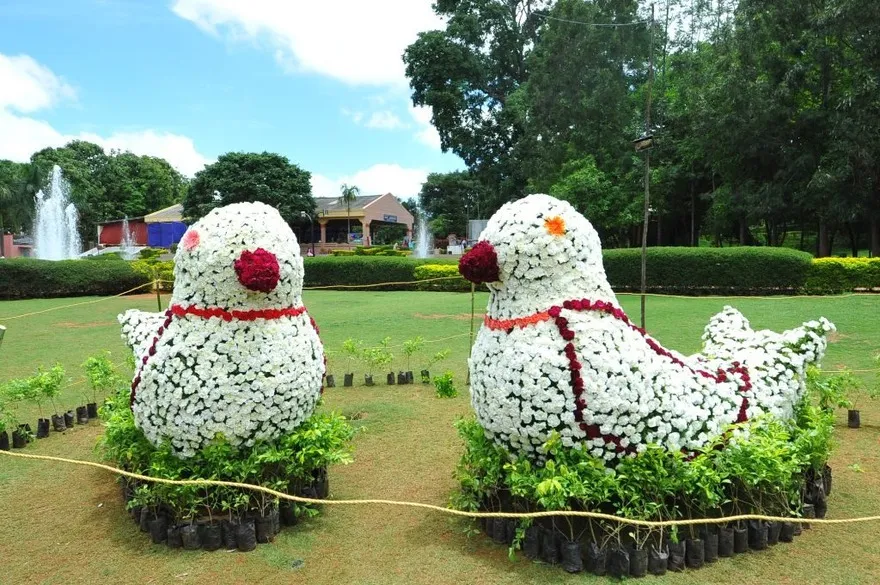
If lakes and coastal landscapes do not appeal to you, the lush green hills of Yelagiri provide the perfect alternative. This hill station attracts trekking enthusiasts and adventure lovers from across the country.
Some of the must-visit attractions include Fundera Bird Park, the scenic Attaru River, and the breathtaking Jalagamparai Falls. Additionally, you should explore Velavan Temple, Yelagiri Herbal Garden, and the beautifully maintained Nature Park.
View more: Yelagiri
Horsely Hills
Horsley Hills offers a refreshing escape with cascading waterfalls, tranquil lakes, winding roads, and pleasant weather. Together, these elements create the ideal environment for relaxation and rejuvenation.
Key attractions include Legal Falls, lush green landscapes, and the Elephant Camp. Nearby spots such as Gangotri Lake, Whisper Winds Viewpoint, and Galibanda Viewpoint provide stunning panoramic views of the surrounding mountains.
Arignar Anna Zoological Park
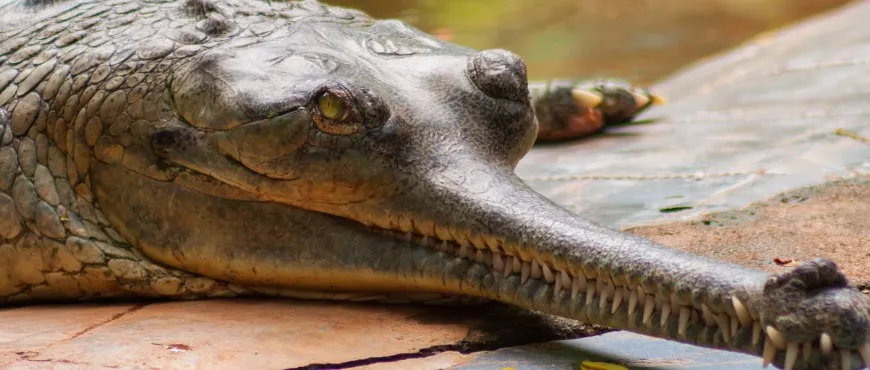
If you prefer a short and exciting getaway, Arignar Anna Zoological Park makes an excellent choice. This destination combines adventure, education, and wildlife exploration into a single experience.
Apart from being a well-known zoo, it also serves as a popular picnic spot where families can relax and enjoy quality time together. Wildlife enthusiasts can explore diverse animal species, enjoy elephant joyrides, visit children’s parks, and explore the education centre. Visitors can also participate in elephant and deer safaris.
View more: Arignar Anna Zoological Park
Vedanthangal Bird Sanctuary
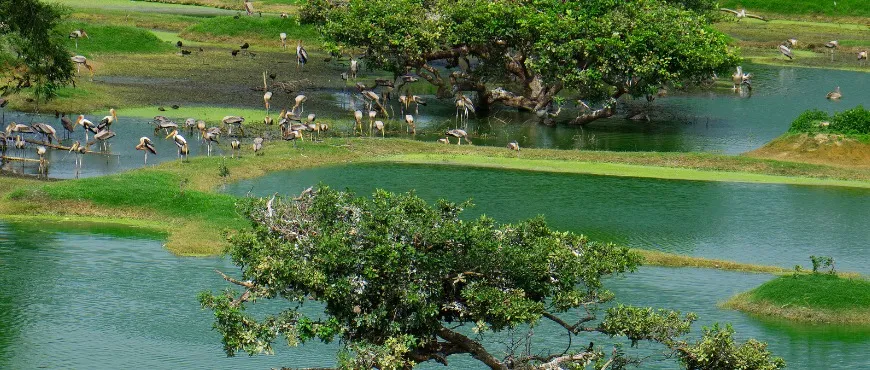
Vedanthangal Bird Sanctuary is a must-visit destination for bird and wildlife enthusiasts. Located near Mahabalipuram, this sanctuary ranks among the most prominent bird sanctuaries in India and hosts nearly 330,000 birds every year. Visitors can spot Spoonbills, Storks, Egrets, Herons, and several migratory bird species. The sanctuary lies about 89 km from Chennai, and the ideal time to visit is between November and February.
View more: Vedanthangal Bird Sanctuary
Vellore Fort
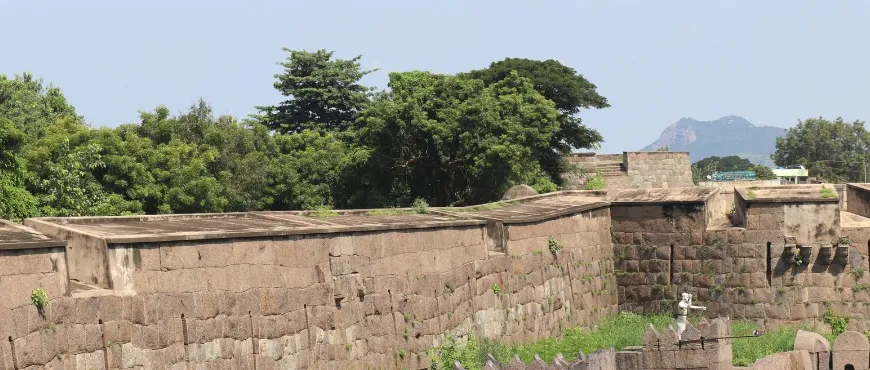
Vellore Fort stands as one of the most prominent landmarks in the city. The fort offers travelers a rich blend of cultural heritage and impressive Dravidian architecture, making it an ideal weekend destination for history enthusiasts.
The fort lies just 136 km from Chennai, and the best time to visit is between October and March. Nearby attractions include Sri Lakshmi Golden Temple and the Sri Venkateshwara Museum.
To explore these destinations comfortably, you can use public transport or choose a self-drive rental car for complete freedom. Many local providers offer self-drive options, but if you seek a reliable service, RenTrip Rentals stands out as a trusted brand. RenTrip operates in over 35 cities and offers an easy-to-use website and mobile application with a wide range of vehicles to choose from.
We hope this guide helps you plan an unforgettable journey. Travel safely, explore freely, and enjoy every moment of your weekend getaway from Chennai.
The monuments at Mahabalipuram are monolith beautiful sculptures depicting our rich history and culture. The monuments and temples at Mahabalipuram including the Shore Temple complex were collectively classified as a UNESCO World Heritage Site since 1984.
The Mahabalipuram stone sculptures carved in stone have been inspired by the Pallava style of art. Each of the monuments at Mahabalipuram is dedicated to a deity or character from Hindu mythology and thereby represents Shaivism, Vaishnavism and Shaktism.
The monuments include – Rathas (chariot shaped temples), Mandapas (cave temples), Rock Reliefs, Structural Temples and Excavations.
The monuments at Mahabalipuram have lots in store for art lovers and history buffs. Mahabalipuram falls in Kanchipuram District and is well connected to all major cities through road. The nearest airport is at Chennai (around 60 kilometres away).
Napier Bridge is one of the most iconic landmarks in Chennai. Built across the Coovam River, the bridge connects Fort St. George with the famous Marina Beach. Stretching about 138 metres, it plays a vital role in the city’s road network while also serving as a visual symbol of Chennai.
History & Name
The bridge derives its name from Francis Napier, the former Governor of Madras. Locals affectionately call it “Irumbu Varavadhi”, meaning iron bridge. Notably, Napier Bridge stands as one of the oldest tied-arch structural bridges in the region, highlighting early engineering excellence.
Architecture & Visual Appeal
Napier Bridge offers a stunning sight, especially when viewed from the air as flights approach Chennai from the seaside. Moreover, the bridge transforms into a spectacular attraction at night. As part of the Marina Beach beautification project, authorities installed special lighting beneath the bridge, creating the illusion that it floats on water. Decorative lights on the arches and surface further enhance its charm.
Tourism & Cityscape Views
The bridge serves as a major gateway to Marina Beach and offers breathtaking views of Chennai’s cityscape. Therefore, visitors often stop here to enjoy the scenery and capture memorable photographs. Today, Napier Bridge continues to stand as a proud urban icon and an essential part of Chennai’s identity.
Tourist Attractions in Chennai
Chennai, the capital city of Tamil Nadu, stands out as a major center of spirituality, tradition, and architectural excellence. The city proudly hosts numerous ancient and modern temples that reflect its deep-rooted religious culture. These sacred places not only serve as centers of worship but also act as living monuments of Chennai’s rich historical and cultural legacy.
Spiritual and Architectural Heritage
Temples in Chennai showcase remarkable Dravidian architecture, intricate sculptures, towering gopurams, and beautifully carved pillars. Each temple narrates stories from Hindu mythology while preserving centuries-old rituals and traditions. As a result, devotees and tourists experience a strong spiritual connection along with visual grandeur during their visits.
A Living Spiritual Experience
Every temple in Chennai carries its own distinct historical background, religious importance, and artistic style. Festivals, daily poojas, and special rituals bring these temples to life throughout the year. Moreover, the vibrant surroundings, devotional chants, and traditional practices offer visitors an immersive spiritual experience.
Why Visit Temples in Chennai?
Exploring temples in Chennai allows visitors to understand the city’s spiritual soul and cultural depth. Whether you seek divine blessings, architectural admiration, or cultural exploration, Chennai’s temples provide a meaningful and enriching journey. Therefore, temple visits remain an essential part of experiencing the true essence of Chennai.