
Thiruchendur Murugan Temple – History, Timings & Complete Travel Guide
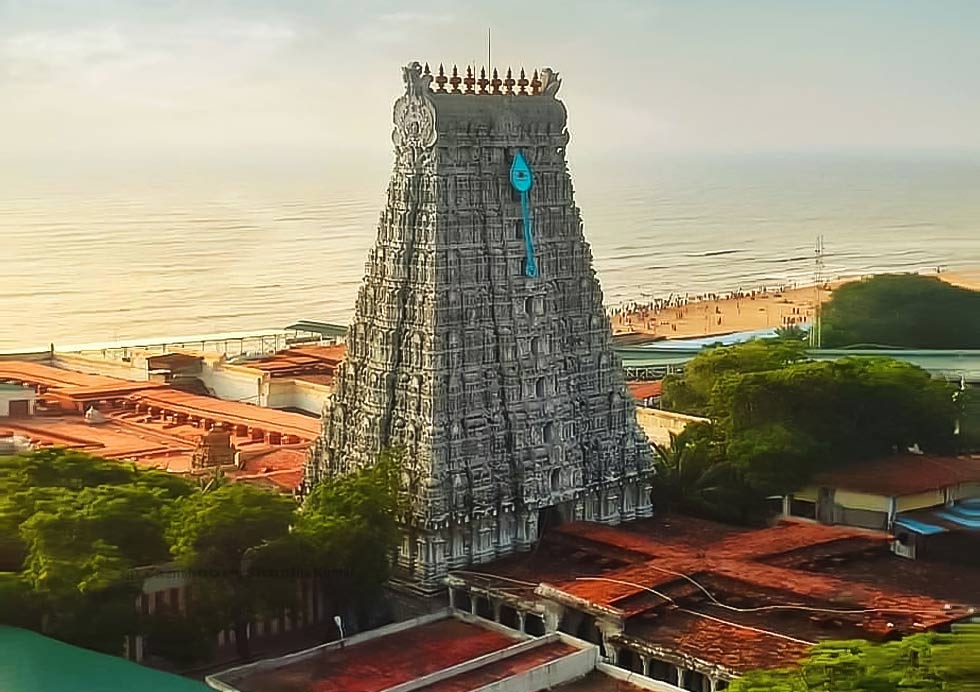
The Thiruchendur Murugan Temple, located along the scenic shores of the Gulf of Mannar in Tamil Nadu, is one of the most revered shrines dedicated to Lord Murugan. Known as the second of the sacred Arupadai Veedu (Six Abodes of Murugan), this ancient temple holds immense spiritual, cultural, and historical significance. With its majestic seaside setting, daily rituals, and powerful legends, Thiruchendur attracts millions of devotees each year.
History of Thiruchendur Murugan Temple
The Thiruchendur Murugan Temple has a deep-rooted history preserved through ancient Tamil scriptures, including the Skanda Purana and various Sangam-era writings. According to legend, this is the sacred site where Lord Murugan defeated the demon Surapadman during the great battle known as Soorasamharam. The victory is celebrated annually with grand rituals that draw thousands of pilgrims.
Historical records and Tamil Nadu Tourism sources confirm that the temple has undergone several reconstructions over centuries due to natural calamities and foreign invasions. Despite this, it remains a monumental symbol of Tamil devotion to Lord Murugan and stands as one of India’s oldest functional temples.
Architectural Significance of Thiruchendur Murugan Temple
The architecture of the Thiruchendur Murugan Temple is a magnificent blend of ancient Dravidian principles and coastal influences. Unlike many Murugan temples located on hilltops, this shrine stands uniquely on the seashore. The towering nine-tiered Rajagopuram and the sprawling prakaras testify to the craftsmanship of ancient builders.
The temple complex features sacred mandapams, intricately carved pillars, the vibrant shrine of Senthil Andavar, and the famed Nazhi Kinaru—a freshwater spring located just meters from the sea. This miraculous structure is considered one of the temple’s greatest wonders.
Pooja Details & Daily Rituals at Thiruchendur Murugan Temple
The temple performs six major daily rituals based on Saivite and Kaumara traditions, following ancient Agama rites. Devotees experience spiritually charged worship throughout the day.
- Ushakkala Pooja – Early Morning
- Kalasanthi Pooja – Morning
- Uchikala Pooja – Midday
- Sayaratchai Pooja – Evening
- Irandaam Kaalam – Night
- Arthajama Pooja – Late Night
The chanting of devotional hymns, especially the Kanda Sashti Kavacham, adds an intense spiritual atmosphere that devotees cherish.
Temple Festivals at Thiruchendur Murugan Temple
Festivals at Thiruchendur Murugan Temple attract devotees from across the world, with each celebration reflecting devotion and Tamil tradition.
- Skanda Sashti – A six-day festival marking Murugan’s victory over Surapadman. The dramatic Soorasamharam event is the highlight.
- Avani Festival – Celebrated with vibrant procession and special rituals.
- Masi Festival – A grand 12-day event attracting lakhs of devotees.
- Karthigai Deepam – The temple glows with hundreds of lamps.
- Vaikasi Visakam – Celebrated as the birthday of Lord Murugan.
Temple Timings of Thiruchendur Murugan Temple
Morning Darshan: 5:00 AM – 12:00 PM
Evening Darshan: 4:00 PM – 9:00 PM
Timing variations may occur during special events, festivals, and peak pilgrimage seasons.
How to Reach Thiruchendur Murugan Temple
Thiruchendur is easily accessible from major cities across Tamil Nadu through road, rail, and air routes.
By Air
Thoothukudi Airport (40 km) is the closest airport, with Madurai Airport (175 km) offering broader connectivity.
By Train
Thiruchendur Railway Station is well-connected to Chennai, Tirunelveli, Madurai, and other cities.
By Road
Frequent buses, taxis, and private vehicles operate from Tirunelveli, Tuticorin, Kanyakumari, and Madurai.
Travel Tips for Visiting Thiruchendur Murugan Temple
- Plan early morning visits to avoid long queues.
- During Skanda Sashti, expect large crowds and book accommodations in advance.
- Dress modestly according to temple customs.
- Do not miss visiting Nazhi Kinaru and the beachfront.
- Carry water and sun protection, especially during summer.
Thiruchendur Murugan Temple – FAQ
Why is Thiruchendur Murugan Temple famous?
It is the site of Lord Murugan’s victory over demon Surapadman and is one of the six holy abodes of Murugan.
Which sea is near Thiruchendur Temple?
The temple is located beside the Gulf of Mannar along the Bay of Bengal coast.
What is the significance of Nazhi Kinaru?
Nazhi Kinaru is a miraculous freshwater spring located near the sea, believed to have been created by Lord Murugan.
Is there any dress code for Thiruchendur Temple?
Devotees are encouraged to wear modest, traditional clothing while entering the temple premises.