
Tamil New Year Festival: A Celebration of Culture and Renewal
Tamil Puthandu, also known as Puthuvarusham or the Tamil New Year Festival, marks the beginning of the Tamil New Year. Celebrated across the Indian state of Tamil Nadu and by Tamil communities around the world, this auspicious occasion usually falls on April 14th or 15th, coinciding with the start of the Tamil month of Chithirai. As a result, the festival symbolizes renewal, hope, and fresh beginnings.
Customs and traditions:
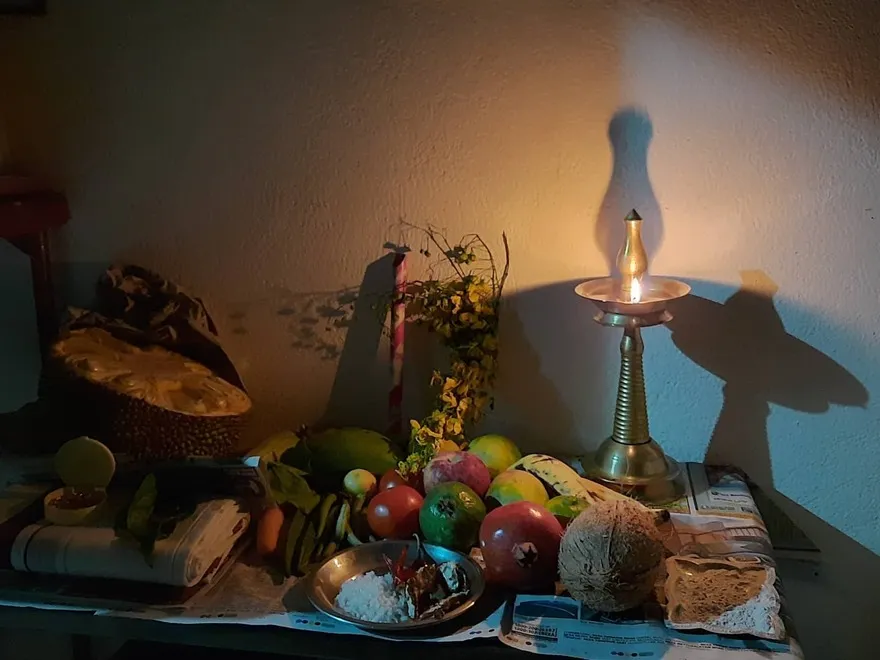
Kani: On the morning of Tamil Puthandu, people traditionally wake up early and view the “Kani,” an arrangement of auspicious items such as gold or silver jewelry, fruits, vegetables, betel leaves, flowers, and a mirror. According to belief, beginning the year by viewing these items brings good luck, prosperity, and positive energy throughout the year.
Mango: The mango, often called the “king of fruits,” symbolizes abundance and fertility and therefore holds a special place in Tamil Puthandu celebrations. People prepare a traditional dish known as “Mango Pachadi,” which blends sweet, sour, bitter, and tangy flavors, thereby representing the varied experiences of life.
Traditional Dress: During this festive period, people wear new clothes, usually in bright and vibrant colors. Subsequently, families visit temples to offer prayers and seek divine blessings for a successful and prosperous year ahead.
Festive Feasting: Festive feasting forms an essential part of Tamil Puthandu celebrations. Families gather together to enjoy an elaborate spread of traditional Tamil dishes, which often includes rice, sambar, rasam, poriyal, payasam, and the iconic Mango Pachadi.
Cultural Events: Moreover, many regions organize cultural programs to mark Tamil Puthandu. These events often feature classical music and dance performances, with traditional art forms such as Bharatanatyam and Carnatic music taking center stage.
Decorations: Homes are beautifully decorated with colorful kolam designs at the entrance. Additionally, families hang mango leaves over doorways, which symbolize prosperity, positivity, and a warm welcome.
Community Celebrations: Along with family gatherings, Tamil Puthandu encourages a strong sense of community spirit. Consequently, social and cultural organizations often host public celebrations and events to unite people during the festival.
Predictions for the Year: Furthermore, some individuals consult astrologers or read panchangams (almanacs) on Tamil Puthandu. Through these practices, they seek insights into their future and gain an understanding of the astrological influences of the coming year.
Global Celebrations:
Tamil Puthandu is celebrated with equal enthusiasm by Tamil communities across the globe. In countries with a significant Tamil diaspora, such as Malaysia, Sri Lanka, Singapore, and Canada, people organize cultural events and community gatherings to celebrate the festival and preserve their heritage.
Epilogue:
Overall, Tamil Puthandu represents not just a festive occasion but also a meaningful time for reflection and renewal. It allows people to celebrate new beginnings while honoring the rich cultural heritage of the Tamil community. Ultimately, the festival embodies unity, hope, and the enduring spirit of Tamil culture both in India and around the world.