
Sivanmalai Murugan Temple – History, Timings & Complete Travel Guide
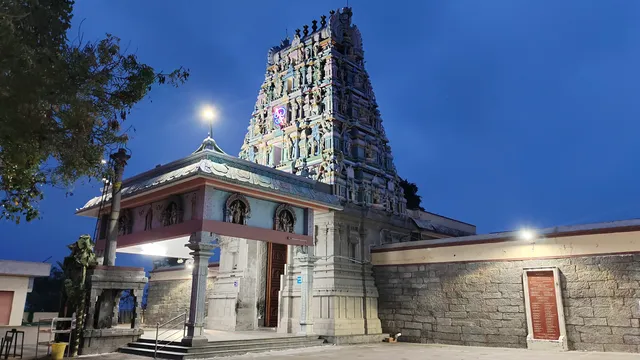
The Sivanmalai Murugan Temple, located near Kangeyam in the Tiruppur district, stands as a revered hill shrine dedicated to Lord Murugan. Known for its serene hilltop ambience, powerful divine vibrations, and rich spiritual heritage, the temple ranks among the most significant Murugan temples in the Kongu Nadu region. As a result, devotees regularly visit Sivanmalai to seek peace, divine blessings, and spiritual upliftment.
History of Sivanmalai Murugan Temple
The history of the Sivanmalai Murugan Temple is deeply rooted in ancient Tamil traditions and Siddhar worship. According to temple lore, revered Siddhars once inhabited the hill and performed intense penance, after which Lord Murugan blessed them with divine visions. Furthermore, the temple shares a close association with Sage Siva Muni, who worshipped Lord Murugan at this sacred site, thereby giving rise to the name Sivanmalai.
In addition, historical inscriptions and regional records point to the contributions of the Kongu Cholas, local chieftains, and Nayak rulers. Over time, these rulers expanded the temple structure and introduced well-defined worship practices that continue to this day.
Architectural Significance of Sivanmalai Murugan Temple
The Sivanmalai Murugan Temple follows the classic Dravidian hill-temple architectural style, seamlessly blending natural rock formations with traditional temple design. Situated atop a gentle hill, the temple is easily accessible through a series of steps as well as a motorable road.
Key architectural features include:
- Finely sculpted sanctum housing Lord Subramanya with the sacred Vel
- Serene mandapams and elegantly carved stone-pillared halls
- Panoramic views of Kangeyam town and the surrounding countryside
- Natural rock caves associated with ancient Siddhar meditation practices
Consequently, the temple’s simple design and pristine surroundings together enhance the spiritual atmosphere, offering devotees a deeply peaceful and fulfilling experience.
Pooja Details & Daily Rituals at Sivanmalai Murugan Temple
The temple follows traditional Murugan Agama rituals with poojas performed throughout the day.
- Ushakkalam – Early Morning Pooja
- Kalasanthi – Morning Ritual
- Uchikalam – Midday Worship
- Sayaratchai – Evening Pooja
- Arthajamam – Night Ritual
Special abhishekams take place on Tuesdays, Fridays, Karthigai days, and Murugan nakshatras like Visakam.
Temple Festivals at Sivanmalai Murugan Temple
Sivanmalai Murugan Temple celebrates several vibrant festivals that draw devotees across Tamil Nadu.
- Thai Poosam – The grandest festival featuring special rituals and processions.
- Panguni Uthiram – Celebrates the celestial union of Murugan.
- Skanda Sashti – Six-day festival marked by Murugan’s victory celebrations.
- Karthigai Deepam – The hill shines with thousands of oil lamps.
- Aadi Krithigai – Auspicious day for Murugan devotees.
Temple Timings of Sivanmalai Murugan Temple
Morning Darshan: 6:00 AM – 12:30 PM
Evening Darshan: 4:00 PM – 8:00 PM
On festival days and special occasions, temple hours may be extended.
How to Reach Sivanmalai Murugan Temple
Sivanmalai is located about 5 km from Kangeyam and is well connected by road and rail.
By Air
Coimbatore International Airport (75 km) is the nearest airport with domestic and international connectivity.
By Train
Tiruppur Railway Station (35 km) is the closest major station with frequent trains from Chennai, Coimbatore, Trichy, and Madurai.
By Road
Kangeyam is connected by buses from Tiruppur, Erode, Dharapuram, Pollachi, and Coimbatore. Autos and taxis are available to reach the temple base.
Travel Tips for Visiting Sivanmalai Murugan Temple
- Prefer early mornings or evenings for pleasant weather.
- Wear comfortable footwear if climbing the steps.
- Carry water, especially during summer months.
- Photography may be restricted inside the sanctum.
- Combine your visit with nearby temples in Kangeyam and Tiruppur.
Sivanmalai Murugan Temple – FAQ
Why is Sivanmalai Murugan Temple special?
It is renowned for its hilltop location, Siddhar history, and ancient Murugan worship traditions.
How many steps are there to reach the temple?
The hill has a moderate number of steps, making it accessible for most devotees.
What is the best time to visit?
Early mornings, evenings, and festival days such as Thai Poosam and Skanda Sashti.
Is there vehicle access to the hilltop?
Yes, a motorable road allows vehicles to reach near the temple entrance.