
Kalakad Mundanthurai Tiger Reserve – KMTR
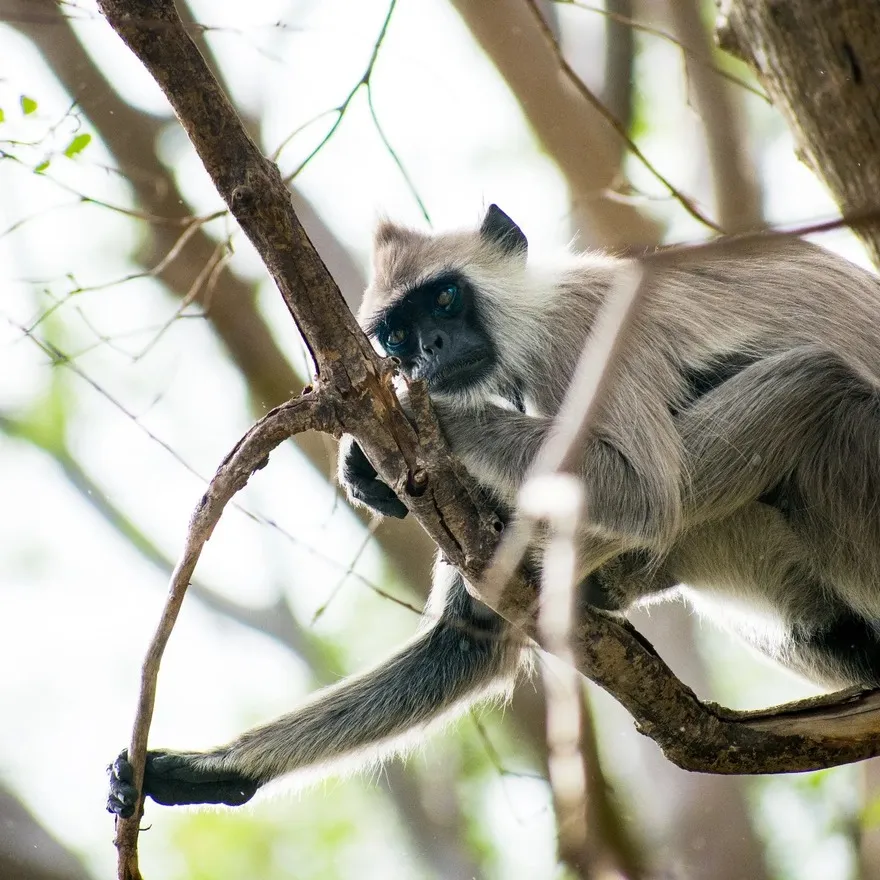
Kalakad Mundanthurai Tiger Reserve (KMTR), the second-largest protected area in Tamil Nadu, lies in the southern stretch of the Western Ghats across Tirunelveli and Kanyakumari districts. This vast reserve plays a vital role in conserving the rich biodiversity of the Western Ghats. The reserve covers a core area of nearly 895 square kilometres and extends to a total area of about 1,602 square kilometres, including buffer and forest zones. Authorities formed KMTR in 1988 by merging the Kalakad Sanctuary and the Mundanthurai Wildlife Sanctuary.
Image Attribution : Daniel Panesar
Overview of Kalakkad Mundanthurai Tiger Reserve
Rivers, Dams & Waterfalls – The Kalakad Mundanthurai Tiger Reserve attracts visitors with its abundant water resources, including rivers, reservoirs, dams, and waterfalls. Notably, 14 rivers originate within the reserve, which is why people often refer to it as the “River Sanctuary”. These rivers feed three major watersheds Thamirabharani, Manimuthar, and Upper Kodayar. In addition, the reserve hosts 11 dams, such as Karaiyar Dam, Kodumudiyar Dam, Servalar Dam, Papanasam Upper and Lower Dams, Manimuthar Dam, Kadananathi Dam, and Ramanathi Dam. Moreover, popular waterfalls within the reserve include Banathirtham Falls near Karaiyar Dam, Agasthiyar Falls, Manimuthar Falls, and Kalakkad Thalayanai, all of which enhance the scenic appeal of the region.
Agriculture & Hydel Projects – Agriculture remains the primary occupation in the buffer zones of the reserve. Farmers depend heavily on the rivers originating from KMTR for irrigation. Furthermore, the river systems support three hydroelectric power stations within the reserve, contributing to sustainable energy generation.
Biological Values – The reserve supports remarkable biodiversity due to its wide range of climatic and topographical variations. Consequently, it provides an ideal habitat for endemic flora, fauna, and diverse bird species. In addition to wildlife viewing, visitors can enjoy activities such as birdwatching, trekking, and boating. However, trekkers must follow designated trails and obtain prior permission from forest authorities.
Flora & Fauna – Kalakad Mundanthurai Tiger Reserve boasts rich flora and fauna, including numerous endemic plant species, reptiles, fishes, amphibians, birds, and mammals. Wildlife enthusiasts can spot animals such as the tiger, leopard, elephant, gaur, chital, Nilgiri tahr, giant squirrel, and several other rare species.
Human Settlement – The indigenous communities of the reserve include the Kani or Malaiarasan tribes, considered among the oldest forest inhabitants. They practice traditional agriculture and also work as forest guards, watchers, and anti-poaching personnel. Importantly, their deep knowledge of forest ecosystems and wildlife habitats plays a crucial role in conservation efforts.
Religious Significance & Aesthetic Value
Beyond its ecological importance, the Kalakad Mundanthurai Tiger Reserve also holds spiritual significance. Pilgrims frequently visit sacred sites such as the Gorakhnathar Temple with an adjacent dargah, Sorimuthu Ayyanar Koil, and Nambi Kovil. Additionally, authorities have earmarked nearly 35 square kilometres along the eastern foothills of the reserve for tourism. The lush evergreen forests, misty landscapes, and pristine surroundings offer unforgettable experiences for photographers, nature lovers, and wildlife enthusiasts alike.
Ideal time to visit Kalakad Mundanthurai Tiger Reserve
The best season to visit Kalakad Mundanthurai Tiger Reserve is between October and March, before summer sets in when the climate becomes humid. The reserve is open from 6:00 AM to 6:00 PM on all days.
Kalakad Mundanthurai Tiger Reserve Fee details for Activities
- Guided trekking for about 2 hours is available at a rate of Rs. 200 per person (maximum of 10 persons) and Rs. 1250 per trek (minimum of 5 persons).
- Guided view for 1 hour of Agasthiyar Peak, Nagapothigai, Iyanthalai Pothigai and Pandiyan Kottai is available at a rate of Rs. 25 per person (maximum of 15 persons) and Rs. 200 per trek (minimum of 5 persons) in a slot.
- Guided visits for about 1.5 hours of Pandiyan Kottai is available at a rate of Rs. 25 per person.
How to reach Kalakad Mundanthurai Tiger Reserve
The Kalakad Tiger Reserve is at a distance of 10 kilometres from Ambasamudram. Regular buses are available to Mundanthurai from Tirunelveli which is 50 kilometres away. The nearest rail head is at Cheranmahadevi (20 kilometres away) and Tirunelveli Junction (around 62 kilometres away). The nearest airports are at Madurai (20 kilometres away) and Thiruvananthapuram (140 kilometres).
Epilogue
The high mountains, lush green meadows, secluded valleys, dense rain forests thundering waterfalls and the diverse and unique flora and fauna makes the Kalakkad Mundanthurai Tiger Reserve a treasure trove for the visitors. Explore the breathtaking scenery of the place and the world of wildlife keeping in my mind of all the don’ts that would annoy its residents and pollute the reserve.
Please check the official government website for Accommodation and activities inside the tiger reserve.
Kalakad Mundanthurai Tiger Reserve – FAQ
Where is Kalakad Mundanthurai Tiger Reserve located?
Kalakad Mundanthurai Tiger Reserve (KMTR) is located in the Tirunelveli and Kanyakumari districts of Tamil Nadu, along the Western Ghats.
Why is Kalakad Mundanthurai Tiger Reserve famous?
The reserve is famous for its rich biodiversity, endangered wildlife species, dense evergreen forests, and being part of the UNESCO-listed Western Ghats.
What animals can be seen in KMTR?
Wildlife in the reserve includes Bengal tigers, Indian leopards, elephants, lion-tailed macaques, Nilgiri langurs, and numerous bird and reptile species.
Is prior permission required to visit the tiger reserve?
Yes, visitors need prior permission from the Forest Department, and entry is regulated to protect wildlife and habitats.
What is the best time to visit Kalakad Mundanthurai Tiger Reserve?
The best time to visit is between October and March when the weather is pleasant and wildlife sightings are more favorable.
Major Tourist Attractions in Tirunelveli District
- Manjolai Hills
- Swami Nellaiappar and Kanthimathi Ambal Temple
- Papanasanathar Temple, Papanasam
- Papanasam Dam
- Bird Sanctuary, Koonthankulam in Nanguneri Taluk
- Manimuthar Falls and Dam
- Kalugumalai Vettuvan Kovil