
Chitannavasal – The Enchanting Destination of Pudukottai
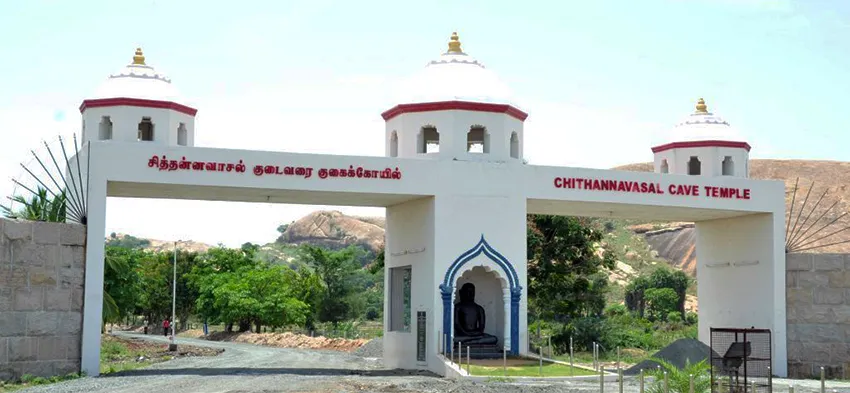
Chitannavasal, located near the town of Pudukottai, stands as a remarkable archaeological site in the southern Indian state of Tamil Nadu. Notably, the site is famous for its rock-cut cave temple complex, which highlights the architectural brilliance and artistic excellence of ancient India.
Overview of Chitannavasal Cave Temple
- The primary attraction at Chitannavasal is the Jain rock-cut cave temple, which dates back to the 9th century CE.
- Originally, these caves served as a sanctuary for Jain monks, offering them a peaceful space for meditation, worship, and artistic expression.
- As a result, the site holds immense historical significance, as it provides valuable insights into the flourishing Jain culture that once thrived in this region.
Architecture of Chitannavasal Cave Temple
The cave temple complex at Chitannavasal consists of a series of rock-cut shrines adorned with exquisite paintings. These artworks primarily illustrate scenes from Jain mythology and vividly portray the lives of Tirthankaras and other revered Jain figures. Moreover, the use of vibrant colours and intricate detailing reflects the exceptional artistic skills of the era. To preserve this heritage, the Archaeological Survey of India (ASI) actively protects the site and its priceless artwork from further deterioration.
Chitannavasal Paintings
The Chitannavasal frescoes form an extraordinary collection of paintings discovered within the rock-cut temple complex. Jain monks, who resided in the caves during the 9th century AD, are believed to have created these murals. The frescoes depict various scenes from Jain mythology and rank among the earliest examples of South Indian mural art. Consequently, Sithanavasal Paintings remain one of the most unique and captivating attractions of the Sithanavasal Cave Temple.
Furthermore, these frescoes stand out for their vibrant colours and intricate details. Artists prepared the pigments using natural materials such as minerals, vegetables, and animal products. Despite the passage of time, the frescoes have survived remarkably well and continue to represent the rich artistic and cultural heritage of Tamil Nadu.
Visiting Hours and Fee Structure of Chitannavasal Temple
Visitors can explore the Chitannavasal Cave Temple between 9:30 AM and 5:00 PM. The entry fee is Rs. 5/- per person for Indian nationals, while foreign tourists are required to pay Rs. 100/- per person.
How to Reach Sithanavasal Cave Temple
Reaching the Sithanavasal Cave Temple is convenient, as visitors can use buses or taxis from nearby towns. The nearest airport is Trichy Airport, located approximately 45 kilometres away. Meanwhile, Pudukkottai Railway Station, situated about 18 kilometres from the site, serves as the closest railhead.
Sittannavasal – FAQ
Where is Sittannavasal located?
Sittannavasal is located in Pudukkottai district, Tamil Nadu, about 16 kilometres from Pudukkottai town. It is a famous heritage site known for its ancient Jain monuments.
What is Sittannavasal famous for?
Sittannavasal is renowned for its 7th-century Jain cave temple and exquisite fresco paintings, often compared to the Ajanta paintings for their artistic excellence.
Who built the Sittannavasal cave temple?
The cave temple, also called Arivar Koil, was created during the Pallava period and later patronized by the Pandyas, reflecting early rock-cut architecture.
What do the Sittannavasal paintings depict?
The frescoes depict lotus ponds, flowers, animals, and Jain monks, symbolizing spiritual themes and the concept of Samavasarana in Jain tradition.
What is the best time to visit Sittannavasal?
The best time to visit is from October to March when the weather is pleasant for exploring the hill caves and surrounding archaeological sites.