
Celebrating the New Year Festival: A Global Tradition
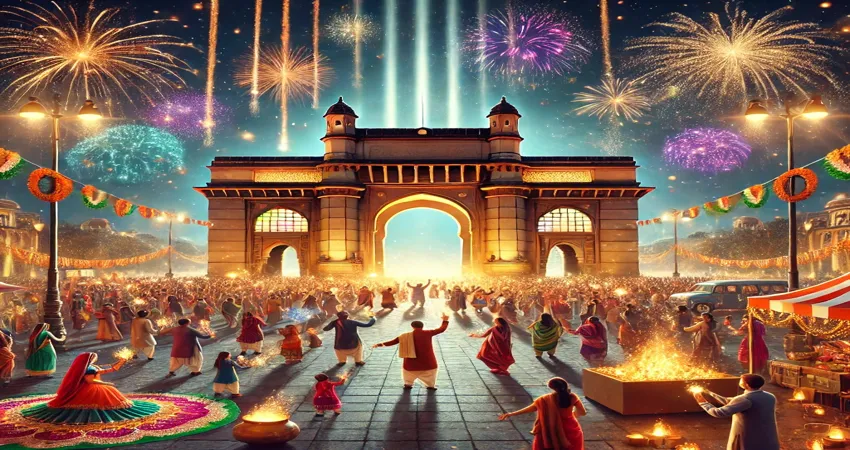
New Year Festival is celebrated on January 1st every year to mark the beginning of a new year. People initially observed this day according to the Julian calendar, and today the world follows the Gregorian calendar. Every new year brings fresh opportunities to learn from the past and look forward to future possibilities. People celebrate New Year’s Day as a national holiday across many countries. It represents a fresh start and encourages positive changes in life. Different cultures celebrate New Year in their own unique styles. In India, people celebrate New Year as one of the most popular and festive occasions of the year.
Origin & History of New Year Festival:
Though historians do not know the exact origin date, ancient Babylonians began celebrating the new year thousands of years ago. During those times, people determined the first day of the year based on the cycles of the sun and moon.
According to the early Roman calendar, Romans marked March 1st as the first day of the year, and their calendar included ten months from March to December. Later, in ancient Rome, leaders introduced the Julian calendar and dedicated January 1st to Janus, the god of gateways and beginnings.
During the Middle Ages, authorities corrected errors in the Julian calendar, particularly the leap year miscalculation, and removed ten days to fix the timeline. Pope Gregory XIII later introduced the Gregorian calendar and officially reinstated January 1st as New Year’s Day. Over time, many countries gradually adopted the reformed Gregorian calendar.
New Year Celebrations in India:
New Year marks a time for fresh beginnings and joyful celebrations. India, known for its cultural diversity, celebrates the day in different ways across regions. Since it is a restricted holiday, government offices and most businesses usually remain open.
People celebrate the day with family and friends. Many individuals make resolutions to improve themselves in the coming year. Live concerts, parties, singing, and dancing create a festive atmosphere. Nightclubs, movie theatres, restaurants, resorts, and amusement parks attract large crowds during the celebration.
People exchange wishes, greeting cards, and gifts to express love and goodwill. Fireworks and festive gatherings add excitement and make the occasion even more memorable.
New Year Shopping:
To maintain the festive spirit, people prepare in advance for New Year celebrations. Markets and shopping malls become crowded as shoppers purchase decorations, outfits, and gifts. Many people begin preparing at least a week earlier to avoid last-minute rush. Shopping centers stock up extensively to meet customer demand. New Year shopping becomes an essential part of the celebration, as people eagerly buy decorations and gifts to welcome the new year.
New Year’s Day Traditions:
People welcome the new year in various ways. While traditions differ across cultures, many common practices unite celebrations worldwide:
- Most countries begin festivities on New Year’s Eve, December 31st.
- People count down to midnight and make resolutions to set goals for personal growth.
- Families and friends gather for music, feasting, and joyful celebrations.
- Many people clean their homes and offer prayers at temples or in their houses.
- As the clock strikes midnight, people exchange New Year wishes.
- Families cut cakes and light fireworks to mark the transition into the new year.
- Many individuals attend parties and grand celebrations.
- Some prefer a peaceful evening at home watching movies or reading books.
- Exchanging gifts and greetings strengthens bonds among friends and family.
- People also use the day for reflection, letting go of regrets and setting new intentions.
- Modern traditions include media reviews of the past year and predictions for the upcoming year.
Epilogue:
New Year’s Day symbolizes hope, renewal, and celebration. People view this joyful occasion as an opportunity to bid farewell to the past year and welcome the coming year with optimism, positivity, and fresh aspirations.
Celebrating the New Year Festival – FAQ
When is New Year celebrated around the world?
New Year is widely celebrated on January 1 according to the Gregorian calendar. However, many cultures observe their traditional New Year on different dates, such as Chinese New Year and Tamil New Year.
Why do people celebrate New Year?
People celebrate New Year to mark the beginning of a new calendar year, reflect on the past, set resolutions, and welcome fresh opportunities with joy and hope.
What are common New Year traditions worldwide?
Common traditions include countdowns, fireworks displays, exchanging greetings, attending parties, making resolutions, and participating in religious or cultural rituals.
What is the significance of New Year resolutions?
New Year resolutions symbolize personal growth and self-improvement. Many individuals set goals related to health, career, relationships, or financial success.
How do different countries celebrate New Year differently?
Celebrations vary globally. For example, fireworks light up Sydney Harbour, the Times Square ball drops in New York, and many Asian countries celebrate with family feasts and traditional customs.