
Kudumiyanmalai is a historic village located about 20 kilometres from Pudukottai along the Pudukkottai–Kodumbalur road. Most notably, the village is renowned for its ancient rock-cut cave temples, which stand as the main highlight of the region. In addition, Kudumiyanmalai is famous for the hilltop Shikanathar Temple dedicated to Lord Shiva and for the Agricultural College that is owned and administered by the Government of Tamil Nadu.
Kudumiyanmalai Rock-Cut Cave Temple
The rock-cut cave temple, excavated on the eastern side of the hillock, dates back to the early seventh century. Consequently, it holds immense historical and architectural significance.
- This monolithic cave temple is dedicated to Lord Shiva, worshipped as Shikanatheeswarar, while Goddess Parvathi is revered here as Akhilandeswari.
- The Maha Mandapam, or great assembly hall, features finely carved pillars and ornate sculptures that belong to the Nayaka period, thereby reflecting exquisite craftsmanship.
- Another striking feature is the rock-cut panel depicting the 63 Nayanmars, with figures of Lord Shiva, Goddess Parvathi, and Nandi positioned at the center.
- On the inner wall of the temple, devotees can see the image of Lord Valampuri Ganesha, identified by his trunk curling to the right.
- Furthermore, the cave temple contains around 120 inscriptions that help trace the history of both the temple and the town. Among these, the most significant inscription records grammatical notes of Carnatic music, engraved on the southern side of the mandapam.
- Adjacent to this inscription stands a five-foot-high carved image of Lord Idampuri Ganesha, distinguished by his left-curving trunk.
- Additionally, the temple complex includes subsidiary shrines dedicated to Akhilandeshwari and Soundara Nayaki Amman, enhancing its spiritual importance.
Temple Timings and Festivals:
The temple is open from 6:00 AM to 11:00 AM and from 4:00 PM to 8:00 PM. Maha Shivarathri is the main festival celebrated during the Tamil month of Masi (February-March). Other festivals observed include the Thirukalyanam in the Tamil month of Aippasi (October–November) and Thiru Karthigai in the Tamil month of Karthigai (November-December).
How to reach Kudumiyanmalai
Pudukkottai and Trichy are the nearest towns where one can avail accommodation facilities. The nearest railway station is at Pudukottai (20 kilometres away). The nearest airport is at Tiruchirapalli (around 49 kilometres away).
Tourist Attractions near Pudukottai
Thirumayam Fort, located about 18 kilometres from Pudukottai, stands as a site of immense historical significance. Today, the Archaeological Survey of India supervises the fort, thereby ensuring its preservation as an important heritage monument.
Facts about Thirumayam Fort
- The Raja of Ramnad, Vijaya Raghunatha Sethupathi, built Thirumayam Fort in 1687 AD.
- Later, he handed over the fort to his brother-in-law, Raghunatha Raya Tondaiman.
- The fort was originally constructed in a circular layout with seven concentric walls surrounded by a wide moat. However, only four of these walls survive today.
- Currently, the fort occupies an area of about 40 acres, although the original structure was nearly twice its present size.
- In 2012, authorities carried out extensive renovations, after which the fort emerged as one of the prominent tourist attractions in Pudukkottai District.
- The fort features three main entrances, located on the north, south, and east sides.
- At the top of the rock, a bastion houses a cannon of British origin, adding to the fort’s military legacy.
- On the opposite side of the rock, visitors can find three rock-cut temples—two dedicated to Lord Shiva and one dedicated to Lord Vishnu.
- Additionally, the fort complex includes a Durbar Hall with carved inscriptions, a pillared corridor, shrines for guardian deities such as Lord Hanuman, Ganapathi, Karuppar, and Goddess Sakthi (towards the southern side), a natural pond on the northwest side, and a water tank on the southeast.
- Within the temple complex, devotees worship Lord Shiva in the form of Bhairava.
Fort Timings
The fort remains open to visitors from 6:00 AM to 12:00 noon and again from 4:00 PM to 6:00 PM.
How to Reach Thirumayam Fort
Thirumayam Fort is located in Thirumayam along the Pudukkottai–Karaikudi Highway in Pudukkottai District. Moreover, Pudukkottai town enjoys good road connectivity with major cities across Tamil Nadu.
The nearest railway station is Pudukottai, situated about 19 kilometres away. Furthermore, the closest airport is located in Trichy, approximately 67 kilometres from the fort.
Tourist Attractions near Pudukottai
Located at the foothills of the sacred Arunachala Hills (2,668 feet high) in Thiruvannamalai, the Arunachaleswarar Temple—also known as Annamalaiyar Temple—stands as one of the most revered Shaivite temples in India. Dedicated to Lord Shiva, the temple holds immense spiritual importance in Saivism. Moreover, it is one of the five Pancha Bhootha Sthalangal, where Lord Shiva manifests as the Agni Lingam, symbolizing the element of fire. Goddess Parvati is worshipped here as Unnamalai Amman. At present, the Hindu Religious and Charitable Endowments Department of the Government of Tamil Nadu maintains and administers the temple.
History of Arunachaleswarar Temple
The history of Arunachaleswarar Temple unfolds across several ruling dynasties, each contributing to its growth and grandeur.
- Initially, the Chola kings constructed the temple during the 9th century CE.
- Later, the Vijayanagara rulers expanded the temple, as evidenced by numerous inscriptions.
- Over time, the temple passed through both Hindu and Muslim stewardship.
- In 1757, the French briefly controlled Tiruvannamalai before the British occupied it in 1760.
- Subsequently, Tipu Sultan captured the town in 1790 CE.
- During the early 19th century, the British assumed complete control of the region.
- Finally, from 1951 onwards, the temple has remained under HR&CE administration.
Legend of Arunachaleswarar Temple
According to Hindu mythology, Lord Vishnu and Lord Brahma once debated supremacy, neglecting their cosmic duties. To dissolve their ego, Lord Shiva appeared as an infinite pillar of fire. He declared that whoever found its beginning or end would be supreme.
While Lord Vishnu assumed the form of Varaha and searched downward, Lord Brahma took the form of a swan (Annam) and flew upward. However, both failed. Eventually, realizing their limitations, they surrendered their pride. Consequently, Lord Shiva revealed his true form. This divine event is celebrated annually as Karthigai Deepam.
References in Sacred Literature
Significantly, the temple finds mention in the 7th-century Tamil Shaivite canonical work Tevaram, composed by the Nayanmars. Hence, the shrine holds the honored status of a Paadal Petra Sthalam. Furthermore, Saint Manikkavasagar composed his celebrated work Tiruvemparai at this sacred site.
Temple Structure and Shrines
Spanning nearly 10 hectares, Arunachaleswarar Temple ranks among the largest temple complexes in India. Notably, the temple features four majestic gopurams. Among them, the eastern gopuram stands tallest, rising to 217 feet with 11 tiers. In addition, the temple houses several mandapams, including the famed thousand-pillared hall. Numerous shrines dedicated to various deities further enhance the spiritual ambiance of the complex.
Arunachaleswarar Temple Timings
The temple remains open daily from 5:30 AM to 12:30 PM and again from 3:30 PM to 9:30 PM.
Arunachaleswarar Temple Pooja Timings
| Name of the Pooja | Timing |
|---|---|
| Ushakala | 5:30 AM |
| Kalasandhi | 8:00 AM |
| Uchikalam | 11:30 AM |
| Saayaratchai | 5:30 PM |
| Irandam Kalam | 7:30 PM |
| Artha Jama Pooja | 9:00 PM |
Festivals Celebrated at Arunachaleswarar Temple
Throughout the year, the temple hosts several grand festivals that attract devotees from across the country.
- Chitirai Utsavam – April to May (10 days)
- Ani Brahmotsavam – June to July (10 days)
- Adi Pooram Brahmotsavam – July to August (10 days)
- Kanda Shashti – October to November (6 days)
- Karthigai Deepam Brahmotsavam – November to December (17 days)
- Uthrayana Punyakala – January to February (10 days)
- Panguni Uthiram Thirukalyanam – March to April (6 days)
Tiruvannamalai Karthigai Deepam
Karthigai Deepam, celebrated during November–December, marks the divine manifestation of Lord Shiva as fire. On this auspicious day, devotees light the massive Mahadeepam atop Arunachala Hill. Remarkably, the flame remains visible from several kilometers away, drawing thousands of pilgrims to Tiruvannamalai.
Girivalam (Arunachala Pradakshina)
Girivalam, the sacred circumambulation of Arunachala Hill, spans 14 kilometers. The name Arunachalam signifies the fiery red hill, symbolizing Shiva as Agni.
Devotees perform Girivalam barefoot throughout the year, especially on full moon days. By doing so, believers seek spiritual merit and fulfillment of wishes. Along the path, devotees worship eight sacred lingams known as Ashta Lingams, each associated with lunar constellations.
How to Reach Arunachaleswarar Temple
Tiruvannamalai enjoys excellent connectivity by road. Regular buses operate from major towns across Tamil Nadu. Additionally, both the Tiruvannamalai Bus Stand and Railway Station lie just 2 kilometers from the temple. For air travelers, Chennai Airport serves as the nearest airport, located approximately 185 kilometers away.
Epilogue
As one of India’s most magnificent temple complexes, Arunachaleswarar Temple captivates devotees with its spiritual aura and architectural splendor. Ultimately, the sacred hill, grand gopurams, and ornate halls offer not just religious fulfillment but also an enduring sense of peace and inner tranquility.
Arunachaleswarar Temple – Tiruvannamalai – FAQ
Where is Arunachaleswarar Temple located?
Arunachaleswarar Temple is located in Tiruvannamalai, Tamil Nadu, at the base of the sacred Arunachala Hill. It is one of the largest Shiva temples in India.
Why is Arunachaleswarar Temple famous?
The temple is famous as one of the Pancha Bhoota Sthalams, representing the fire element (Agni). It is also renowned for the grand Karthigai Deepam festival.
What is Girivalam in Tiruvannamalai?
Girivalam is the sacred 14-kilometre circumambulation of Arunachala Hill performed by devotees, especially on full moon (Pournami) days.
Who built Arunachaleswarar Temple?
The temple was expanded by the Chola, Pandya, and Vijayanagara kings over centuries, showcasing magnificent Dravidian architecture and towering gopurams.
What are the temple timings?
The temple is generally open from early morning to night, with multiple poojas conducted throughout the day. Timings may vary during festivals.
Tourist Attractions near Thiruvannamalai
Overview of Chidambaram Thillai Nataraja Temple
Chidambaram Nataraja Temple, also known as Thillai Nataraja Temple, stands as one of the oldest and most sacred temples in Tamil Nadu. Dedicated to Lord Shiva in his cosmic dancer form, Nataraja – the Lord of Dance, the temple is uniquely administered by learned Brahmins known as Dikshitars, who reside in Chidambaram.
Moreover, the Nataraja Temple is one among the revered Pancha Sabhai, symbolizing the five primordial elements. Significantly, Chidambaram represents Aakasha (Sky), the element associated with space, where Lord Shiva is believed to have performed the eternal Cosmic Dance.
Geographically, Chidambaram is a historic temple town located about 5 kilometres north of the Kollidam River and nearly 15 kilometres west of the Bay of Bengal coastline.
Image Attribution : Richard Mortel
Etymology Behind Chidambaram Town
Originally, the town was known as Thillai, derived from the mangrove trees called Thillai that once thrived in the region. However, during the 10th century, the Cholas renamed the town as Chidambaram after establishing it as their capital and constructing the grand temple dedicated to their family deity, Lord Nataraja.
The name Chidambaram originates from the Tamil term Chitrambalam, where ‘Chitthu’ signifies consciousness or wisdom and ‘Ambalam’ refers to an atmosphere or stage. Thus, the name beautifully translates to the ‘Atmosphere of Wisdom’, symbolizing art, knowledge, and divine awareness.
History of Chidambaram Nataraja Temple
Several historical texts and inscriptions trace the ancient origins of the Chidambaram Shiva Temple.
- Sangam-era texts (pre-5th century) suggest the existence of a Shiva shrine at this site, though the town was not yet named Chidambaram.
- Saints Appar and Sambandar, in the 6th and early 7th centuries, praised the ‘Dancing God of Chidambaram’ in their hymns.
- The Skanda Purana (7th–10th century) includes references to the Chidambaram Dance in the Suta Samhita.
- Inscriptions from the reign of Aditya Chola I and Parantaka Chola confirm the historical presence of the temple.
- Rajaraja Chola I is believed to have rediscovered the hymns of the 63 Nayanmars within the temple precincts.
- Later Chola and early Pandya rulers expanded the temple complex during the 12th and 13th centuries.
- The temple legends are detailed in the 12th-century text Chidambara Mahatmya.
Legend of Chidambaram Temple
According to the Chidambara Mahatmya, Lord Shiva visited a pine forest disguised as a mendicant, accompanied by Mohini, an avatar of Lord Vishnu. While Mohini distracted the sages with illusionary temptations, Shiva performed the divine Ananda Tandava (Dance of Bliss).
Realizing the futility of superficial austerities, sages Patanjali and Vyaghrapada meditated deeply to witness this cosmic dance. Pleased with their devotion, Lord Shiva manifested at Chidambaram and performed the sacred dance, blessing the world.
Architecture of Chidambaram Nataraja Temple
- The temple follows classic Dravidian architecture and spans nearly 40 acres with four concentric courtyards.
- Symbolically, the temple structure represents the human body.
- The complex houses five sacred Sabhas (halls):
- Chit Sabha – Sanctum of Lord Nataraja and Goddess Shivagamasundari
- Kanaka Sabha – Located before the Chit Sabha
- Natya Sabha – South of the flag mast
- Raja Sabha – The famed 1000-pillared hall
- Deva Sabha – Housing the Pancha Moorthis
- The temple complex includes mandapams, nine towering gopurams, sacred water tanks, and numerous shrines.
- Each gopuram vividly narrates stories from Hindu mythology through colorful sculptures.
- Besides Lord Nataraja, shrines for Goddess Devi, Lord Vishnu, Subramanya, Ganesha, Nandi, and Lord Surya are present.
- Lord Shiva appears here in three forms: Nataraja, Lingam, and the formless space.
Chidambara Rahasyam
The Chidambara Rahasyam represents the profound spiritual secret of the temple. Meaning ‘divine secret,’ it symbolizes the formless presence of Lord Shiva as pure consciousness. Behind a curtain in the sanctum lies an empty space, revealed only during special poojas, signifying the omnipresent divine.
Temple Timings of Chidambaram Nataraja Temple
The temple remains open daily:
- Morning: 6:00 AM – 12:00 PM
- Evening: 5:00 PM – 10:00 PM
Pooja Timings in Chidambaram Nataraja Temple
| Pooja | Timings |
|---|---|
| Paal Nivedyam | 6:30 AM |
| Maha Arathi | 7:00 AM |
| Kalasandhi Pooja | 7:45 AM – 9:00 AM |
| Irandam Kalam | 10:00 AM – 11:00 AM |
| Uchikalam | 11:30 AM – 12:00 PM |
| Saayaratchai | 5:15 PM – 6:00 PM |
| Irandam Kalam | 7:00 PM – 8:00 PM |
| Artha Jama Pooja | 9:00 PM – 10:00 PM |
Chidambaram Nataraja Temple Festivals
The temple celebrates several grand festivals throughout the year:
- Margazhi Thiruvadhirai (December–January)
- Masi Chaturdasi (February–March)
- Chitirai Thiruvonam (April–May)
- Aani Thirumanjanam (June–July)
- Aavani Chaturdasi (August–September)
- Puratasi Chaturdasi (October–November)
How to Reach Chidambaram Nataraja Temple
Chidambaram is well connected by road, rail, and air. Frequent buses operate from major cities in Tamil Nadu, and the town lies about a four-hour drive from Chennai.
Chidambaram Railway Station is located within walking distance of the temple. Nearby major railway stations include Mayiladuthurai (41 km) and Villupuram (65 km).
The nearest airports are Trichy (195 km) and Chennai (235 km).
Chidambaram Nataraja Temple – FAQ
Where is Chidambaram Nataraja Temple located?
Chidambaram Nataraja Temple is located in Chidambaram town in Cuddalore district, Tamil Nadu. It is one of the most sacred Shiva temples in South India.
Why is Chidambaram Nataraja Temple famous?
The temple is famous for worshipping Lord Shiva as Nataraja, the Cosmic Dancer. It is also one of the Pancha Bhoota Sthalams representing the space element (Akasha).
What is the Chidambara Rahasyam?
Chidambara Rahasyam refers to the sacred “secret of Chidambaram,” symbolizing the formless aspect of Lord Shiva represented by empty space behind a curtain in the sanctum.
Who built the Chidambaram Temple?
The temple was patronized and expanded by the Chola kings, especially during the medieval period, and showcases magnificent Dravidian architecture.
What are the temple timings?
The temple is generally open from early morning until late evening, with six daily poojas conducted according to traditional Shaivite rituals.
Nearby Tourist Attractions
- Poompuhar Beach
- The palace belongs to Sri MAM Ramaswamy and his family, and visitors require prior permission to enter the premises.
- Chettinad Palace stands as one of the finest examples of the iconic mansions found across the Chettinad region.
- Skilled artisans adorned the palace with intricately carved figurines and exquisite wooden carvings.
- The palace offers a calm and pleasant ambience, surrounded by lush greenery.
- Builders sourced the interiors, furnishings, and construction materials from East Asian countries and Europe. Italian marble, teak wood from Burma, and vibrant handmade Athangudi tiles together enhance the palace’s visual charm.
- Thanjavur paintings trace their origins back to the Chola period (11th century) and the Nayak period (16th century).
- After the decline of the Vijayanagar Empire, several painters migrated to Thanjavur and worked under the patronage of the Thanjavur Nayaks.
- Subsequently, when the Thanjavur Nayaks were defeated by the Maratha rulers, Maratha influence became evident in the artworks, leading to the evolution of the unique Thanjavur painting style.
- During this time, artists actively painted and decorated temples, palaces, and residences of Maratha kings and aristocrats.
- The primary subjects are stories from Hindu mythology.
- Hindu gods, goddesses, saints, puranic narratives, and sacred texts form the central theme, surrounded by supporting figures and motifs.
- The paintings stand out for their vivid colors and intricate iconography, richly embellished with gold coating.
- Artists usually create Thanjavur paintings on cloth-mounted canvases fixed to wooden planks.
- Saraswathi Mahal, Thanjavur
- The Government Museum, Chennai
- Thanjavur Art Gallery, Thanjavur
- The British Museum and the Victoria and Albert Museum, England
- The National Museum of Copenhagen, Denmark
- Thanjavur Dolls’ origination dates back to the early 19th century and forms a part of the rich heritage and traditional handicrafts of Thanjavur.
- The exquisite style of the dolls is the work of skilled artisans and craftsmen of Thanjavur who are responsible for its wide appeal across the world. The dolls are made using plaster of paris, paper mache, clay and wax.
- Thanjavur Dolls are generally a pair of king and queen. These lively, colourful dolls and their dancing style have a friendly welcoming aura. Their body movements especially shaking of heads is the most striking feature.
- These dazzling dolls are so made that their core weight is at the bottom-most region and hence can manage to balance themselves elegantly. Also, the heads of these dolls are detachable from the body.
- Thanjavur Dolls are of two kinds, the bobble-head style and the tilting doll style. The dancing girl and old man and woman dolls, which are a version of bobble-head, are very popular ones.
- Thanjavur Dolls are perfect for decorating our home interiors and also to give away as gifts and souvenirs.
- These dolls are primarily available at Punainallur Mariamman Temple in Thanjavur and are now available for purchase on online platforms.
Papanasam is a serene village located in the Tirunelveli district of Tamil Nadu, situated about 60 kilometres from Tirunelveli town. At the heart of this spiritual destination stands the revered Papanasanathar Temple, dedicated to Lord Shiva, who is worshipped here as Papanasanathar, along with his consort Goddess Parvati, revered as Ulagambigai. Built in the classic Dravidian style of architecture, the temple rests gracefully on the banks of the sacred Thamirabarani River. Moreover, the Hindu Religious and Charitable Endowments Department of the Government of Tamil Nadu administers and maintains this historic shrine.
Image Attribution : MariSelvam
Legend Behind Papanasanathar Temple
Several legends highlight the spiritual importance of the Papanasanathar Temple. Most notably, devotees believe that Sage Agasthiyar performed intense penance here to witness the divine wedding of Lord Shiva and Goddess Parvati. Pleased with his devotion, Lord Shiva appeared before the sage along with Parvati and chose Papanasam as his sacred abode. Consequently, the nearby waterfall came to be known as Papanasam or Agasthiyar Falls. Historically, the Pandyas initially built the temple, while later the Nayak and Vijayanagar rulers expanded and enriched the structure.
Papanasanathar Temple Architecture
Architecturally, the temple impresses visitors with its seven-tiered gopuram that rises prominently at the entrance. In addition, a sturdy granite wall encloses the entire temple complex, enhancing its grandeur. Inside the sanctum sanctorum, devotees worship Lord Shiva as Papanasanathar in the form of a sacred Lingam. Meanwhile, the shrine of Goddess Ulagambigai stands facing the west. Furthermore, the temple complex houses several other shrines dedicated to Lord Ganesha, Lord Murugan, Dakshinamurthy, Goddess Durga, the Navagrahas, and Lord Nataraja, thereby offering a complete spiritual experience.
Papanasanathar Temple Timings
The temple is open from 5:30 AM to 12:00 PM and from 4:30 AM to 7:30 PM. The temple remains open for the whole day during the festival days.
Pooja Timings in Papanasanathar Temple
| Pooja | Timing |
|---|---|
| Thiruvananthal | 6:30 AM |
| Sirualasanthi | 7:00 AM |
| Kalasandhi | 8:30 AM |
| Uchikalam | 11:30 AM |
| Saayaratchai | 6:00 PM |
| Artha Jama Pooja | 8:00 PM to 8:30 PM |
Papanasanathar Temple Festivals
The prominent temple festivals observed in the temple are the Brahmotsavam festival celebrated during the Tamil month of Chittirai (April-May) and Thaipoosam during the Tamil month of Thai (January-February).
How to reach Papanasanathar Temple
By road, Papanasam is well connected to Tirunelveli (60 kilometres), Ambasamudram (16 kilometres), Tenkasi (34 kilometres) and Madurai (215 kilometres). Tirunelveli is the nearest rail head (around 50 kilometres) and nearest airport is at Madurai (around 210 kilometres).
Papanasanathar Temple – Papanasam – FAQ
Where is Papanasanathar Temple located?
Papanasanathar Temple is located in Papanasam town in Thanjavur district, Tamil Nadu. The temple lies near the banks of the sacred River Cauvery.
Which deity is worshipped at Papanasanathar Temple?
The temple is dedicated to Lord Shiva, worshipped as Papanasanathar, along with Goddess Ulaganayaki Amman.
What is the significance of Papanasanathar Temple?
The name “Papanasam” means “destruction of sins.” Devotees believe that worshipping here and taking a holy dip in the Cauvery absolves sins and brings spiritual purification.
Is Papanasanathar Temple connected to the Chola period?
Yes, the temple has strong historical links to the Chola dynasty and features classic Dravidian-style architecture with ancient inscriptions.
What are the temple timings?
The temple is generally open in the morning and evening for darshan, with regular poojas performed daily. Timings may vary during festival days.
Tourist Attraction near Tirunelveli
Overview
Karpaga Vinayagar, also known as Pillaiyarpatti Pillaiyar Temple, is located at Pillaiyarpatti in Sivagangai District. This temple is an ancient rock-cut cave shrine dedicated to Karpaga Vinayagar (Lord Ganesha). Moreover, the Chettiyar or Nagarathar community maintains the temple through an NGO Trust, thereby preserving its heritage and traditions.
Pillayarpatti Karpaga Vinayagar Temple – Etymology
Lord Ganesha presides in the temple with two arms and a twirling trunk in Valampuri posture; therefore, devotees refer to him as Valampuri Vinayagar. According to Hindu mythology, the Karpaga Tree (Kalpavriksha) is a divine wish-fulfilling tree. Likewise, devotees believe that Lord Ganesha fulfills the wishes of his devotees, and hence he is also known as Karpaga Vinayagar.
Architecture of Pillayarpatti Karpaga Vinayagar Temple
Pillaiyarpatti Temple is a cave formation that dates back to the era of the early Pandyas. In fact, stone inscriptions found in the temple indicate that it dates between the years 1091 and 1238 B.C. Furthermore, the sculptor Ekkatur Koon Peruparanam carved the images of Lord Ganesha and Lord Shiva directly out of stone, showcasing remarkable craftsmanship.
In addition to these deities, the temple houses shrines dedicated to several other Gods. Interestingly, the sanctum sanctorum (Vinayagar Sannidhi) does not provide a path for Parikrama or circumambulation. The presiding deity, Karpaga Vinayagar, stands 6 feet tall with the trunk curling toward the right, symbolizing the Valampuri form. Besides this, the temple also enshrines Goddess Karthiyayini, Nagalingam, and Lord Pasupatheeswarar.
Temple Timings in Pillayarpatti Karpaga Vinayagar
The temple remains open from 6:00 AM to 1:00 PM and again from 4:00 PM to 8:30 PM, thereby allowing devotees ample time for darshan.
Karpaga Vinayagar Pooja Timings
| Name of the Pooja | Pooja Timing |
|---|---|
| Thiruvanandal Abhishekam | 6:00 AM to 6:30 AM |
| Kalasandhi | 8:30 AM to 9:30 AM |
| Uchikalam | 11:30 AM to 12:00 PM |
| Saayaratchai | 5:00 PM to 6:30 PM |
| Artha Jama Pooja | 7:45 PM to 8:30 PM |
Festivals of Pillayarpatti Karpaga Vinayagar Temple
Vinayagar Chaturthi, celebrated in the Tamil month of Aavani (August–September), is the major festival observed at the temple. During this time, the festival extends for 10 days, and consequently, the temple attracts a large number of devotees who gather to seek blessings.
How to reach Pillayarpatti Karpaga Vinayagar Temple
Pillaiyarpatti lies at a distance of around 73 kilometres from Madurai and about 16 kilometres from Karaikudi. The nearest railway station is Karaikudi, located approximately 18 kilometres away. Additionally, the nearest airports are at Madurai (around 94 kilometres away) and Trichy (around 89 kilometres away), making the temple easily accessible by road, rail, and air.
Epilogue
Overall, Pillaiyarpatti Vinayagar Temple stands as one of the oldest cave temples in Tamil Nadu. Moreover, the Agamic texts (collections of Vedic and non-Vedic scriptures) found in the temple not only help scholars date the shrine but also reflect the rich cultural heritage of Tamil Nadu that has been preserved through centuries.
Pillayarpatti Karpaga Vinayagar Temple – FAQ
Where is Pillayarpatti Karpaga Vinayagar Temple located?
Pillayarpatti Karpaga Vinayagar Temple is located in Pillayarpatti village near Karaikudi in Sivaganga district, Tamil Nadu. It is one of the most famous Ganesha temples in the state.
What is special about Karpaga Vinayagar?
The temple houses a 6-foot tall rock-cut idol of Lord Ganesha carved inside a cave shrine. The deity is believed to be over 1,600 years old.
Why is the temple historically important?
The temple dates back to the 4th–7th centuries and features Tamil-Brahmi inscriptions, showcasing early Pandya-era rock-cut architecture.
Which festival is celebrated grandly here?
Vinayaka Chaturthi is celebrated with great devotion, attracting thousands of devotees from across Tamil Nadu.
What are the temple timings?
The temple is generally open from early morning to night, with regular poojas and special rituals conducted on auspicious days.
Tourist Attractions near Sivaganga
Overview of Chettinad Palace
Chettinad Palace stands proudly in Kanadukathan, a small town in Karaikudi Taluk of Sivagangai District. Famous for its grandeur and architectural brilliance, this majestic palace lies about 10 kilometres from Karaikudi. Dr. Annamalai Chettiyar, the founder of Annamalai University and Indian Bank, designed and established the palace in the year 1912, making it a significant landmark of the Chettinad region.
Chettinad Community
Chettinad represents the cultural homeland of the Nattukottai Chettiars, also known as the Nagarathar community, who traditionally excelled in banking and money lending. Along with them, the Vallambar (Vellalar) community also forms an integral part of Chettinad society.
Moreover, Chettinad has earned widespread recognition for its magnificent palatial houses featuring spacious courtyards and grand rooms, traditional temples, and the world-famous Chettinad cuisine. Together, these elements highlight the region’s rich heritage and refined lifestyle.
More Facts About Chettinad Palace
How to Reach Chettinad Palace
Karaikudi serves as the nearest town to Chettinad Palace and enjoys excellent road connectivity with major parts of Tamil Nadu. Frequent bus services operate between Karaikudi and Chettinad, ensuring easy access for visitors. Karaikudi Railway Junction acts as the nearest railhead.
For air travelers, the nearest airports are located at Madurai, about 81 kilometres away, and Trichy, approximately 87 kilometres from the palace.
Epilogue
Chettinad Palace offers an ideal retreat for history enthusiasts, photographers, and families seeking quality time together. Spending a day at this historic mansion, surrounded by its serene atmosphere and architectural splendor, promises a truly memorable experience.
Chettinad Palace – Karaikudi – FAQ
Where is Chettinad Palace located?
Chettinad Palace is located in Kanadukathan village near Karaikudi in Sivaganga district, Tamil Nadu. It is one of the grand heritage mansions of the Chettinad region.
Who built the Chettinad Palace?
The palace was built in 1912 by Dr. Annamalai Chettiar, a prominent member of the Nattukottai Chettiar community, known for their wealth and architectural patronage.
What is special about Chettinad Palace architecture?
The palace features Indo-European architecture with Italian marble floors, Burmese teak wood, Belgian mirrors, and intricately carved pillars, showcasing the opulence of Chettinad heritage.
Can tourists visit Chettinad Palace?
Yes, visitors can explore certain areas of the palace with permission. It remains a privately owned residence, so entry may be restricted at times.
Why is Chettinad Palace famous?
The palace is famous for its grandeur, heritage value, and as a symbol of Chettinad culture, attracting architecture enthusiasts and tourists alike.
Tourist Attractions near Sivaganga
Thanjavur Paintings, popularly known as Tanjore Paintings, rank among India’s most celebrated traditional art forms. Notably, artists developed this distinctive style in Thanjavur District, a region renowned for its cultural richness and artistic heritage. Over the centuries, painters used this art form to express devotion, spirituality, and royal grandeur through visually rich and symbolic compositions.
Historical Roots of Thanjavur Paintings
The Thanjavur painting tradition flourished prominently during the Maratha rule between 1676 and 1855. During this period, Maratha kings actively patronized painters and encouraged religious art. As a result, artists produced detailed and spiritually symbolic depictions of Hindu gods and goddesses, reflecting both artistic excellence and devotional depth.
Artistic Style & Technique
Traditionally, artists create Thanjavur paintings on wooden panels using bright, natural colors. In addition, they apply gold foil and emboss the surface to produce a striking three-dimensional effect. Most importantly, painters place the main deity at the center of the composition and surround it with ornate arches and decorative motifs. Consequently, each artwork immediately captures attention while conveying divine magnificence.
GI Recognition & Legacy
In recognition of its immense cultural value, the Government of India granted Geographical Indication (GI) status to Thanjavur Paintings in 2007–2008. Therefore, this recognition safeguards authenticity and, at the same time, supports traditional artisans who continue to preserve this heritage art form.
Cultural Importance of Thanjavur Paintings
Today, Thanjavur Paintings strongly symbolize Tamil Nadu’s artistic legacy. Hence, art enthusiasts, collectors, and scholars across the globe admire and preserve this timeless Indian art tradition.
Image Attribution : Richard Mortel
History of Thanjavur Paintings
Thanjavur paintings evolved gradually through various historical phases. Below is a brief overview of their artistic journey.
Style and Themes of Tanjore Paintings
The themes and stylistic elements of Tanjore paintings remain distinctive and elaborate. Some key characteristics include:
The Making of Tanjore Paintings
The process of creating a Tanjore painting begins with a wooden plank base onto which a cloth is pasted. Initially, artists sketch the design on the prepared surface. Next, they apply a mixture of chalk powder or zinc oxide combined with a water-soluble adhesive. Afterward, the design is decorated with pearls, glass beads, or sometimes precious stones. Finally, painters enhance the visual appeal by applying bright hues and carefully placing thin gold sheets to highlight specific elements.
Artists of Thanjavur Paintings
The artists behind Thanjavur-style paintings traditionally belonged to the Raju community of Thanjavur and Trichy, as well as the Nayadu community of Madurai. Originally from the Rayalaseema region of Andhra Pradesh, these artists spoke Telugu. However, following the decline of the Vijayanagar Empire and the establishment of Nayak rule in Thanjavur and Madurai, they migrated to Tamil Nadu. Over time, many artists remained anonymous due to the prevailing artistic traditions of that era.
Display of Thanjavur Paintings
Today, fine examples of Thanjavur paintings are displayed for the public at the following locations:
Epilogue
Although the materials and techniques used in crafting Thanjavur paintings have evolved over time, this ancient art form continues to gain popularity. Today, people often use Thanjavur paintings as elegant home décor pieces or present them as meaningful gifts to art lovers.
Buy Thanjavur Paintings Online
If you wish to purchase authentic Thanjavur Paintings online, click here: Thanjavur Paintings Online
Thanjavur Paintings – FAQ
What are Thanjavur paintings?
Thanjavur paintings, also known as Tanjore paintings, are a classical South Indian art form that originated in Thanjavur, Tamil Nadu. They are known for rich colors, gold foil work, and embossed detailing.
What makes Thanjavur paintings unique?
These paintings feature 22-carat gold foil, vibrant natural colors, semi-precious stones, and iconic depictions of Hindu deities, giving them a regal and devotional appeal.
When did Thanjavur paintings originate?
The art form flourished during the 16th century under the patronage of the Nayak and later the Maratha rulers of Thanjavur.
Which themes are commonly depicted in Thanjavur paintings?
Common themes include Lord Krishna, Goddess Lakshmi, Lord Ganesha, Lord Shiva, and other Hindu deities, often portrayed in a central, divine posture.
Are Thanjavur paintings still made today?
Yes, skilled artisans in Tamil Nadu continue to create Thanjavur paintings using traditional techniques, making them popular for home décor and gifting.
Thanjavur Thalayatti Bommai
The famous Thanjavur Dolls are traditionally handmade toys popularly known as the Thanjavur Thalayatti Bommai in the Tamil language. The doll’s continuous oscillating movement while shaking its head and body grabs our attention instantly. Thanjavur Dolls have been recognized as Geographical Indication (GI) by the Government of India as of 2008-09.
What makes Thanjavur Dancing Dolls so unique?
Buy Thanjavur dancing dolls online:
If you want to buy the famous Thanjavur dancing dolls online, click to Thanjavur Dolls Online
Thanjavur Dolls are not just a beautiful piece of artwork but also signify the traditional Indian craft that we need to preserve, encourage and take pride in.
Image Attribution: Avin CP from Unsplash
Want to take a break from your corporate routine and explore refreshing travel options from Chennai? A short weekend getaway can rejuvenate your mind and soul. To help you plan the perfect escape, we have curated a list of the best places you can visit from Chennai for a quick and fulfilling trip.
We created this list based on real traveler experiences shared online, ensuring that these destinations satisfy your travel cravings in one go. After all, freedom plays a vital role while travelling. The joy of choosing your own route and exploring a city without restrictions truly soothes the soul. However, relying on public buses or autos often limits your travel plans. Therefore, why not opt for Self Drive Car Rentals in Chennai? Driving yourself empowers you to explore freely, plan spontaneous stops, and travel at your own pace.
List of places that you should visit from Chennai:
Pondicherry

Pondicherry stands out as one of the most serene and charming destinations for a weekend trip. The town blends tranquil beaches, a lively nightlife, and a unique fusion of French culture with Indian traditions.
While visiting Pondicherry, make sure you explore Promenade Beach, where you can witness breathtaking sunsets. In addition, take a boat ride to Paradise Island Beach, which surrounds you with mesmerizing views of the endless sea.
Pichavaram Mangrove Forests

Located in the Cuddalore District of Tamil Nadu, Pichavaram Mangrove Forests offer an extraordinary experience of dense mangroves intertwined with scenic backwaters. These backwaters stretch all the way to the Killai backwaters and connect with the Vellar and Coleroon estuaries. Situated about 225 km from Chennai, you can easily reach this destination with a comfortable four-hour drive. Boat rides through the mangrove forests bring you closer to nature, while bird enthusiasts can spot several rare bird species. The best time to visit Pichavaram is between November and February, when migratory birds arrive in large numbers.
View more: Pichavaram Mangrove Forests
Pulicat
Pulicat is a small yet culturally rich town located in the Thiruvallur District of Tamil Nadu. The town carries a strong influence of Dutch colonization, which adds historical charm to its character. The lake has also gained prominence for housing the second-largest brackish water lagoon in India. Moreover, the region attracts bird lovers during the winter season. Visitors can spot Flamingos, Spotted Pelicans, Grey Herons, Little Terns, and several migratory birds that travel here from Siberia and the Himalayan regions.
Yelagiri
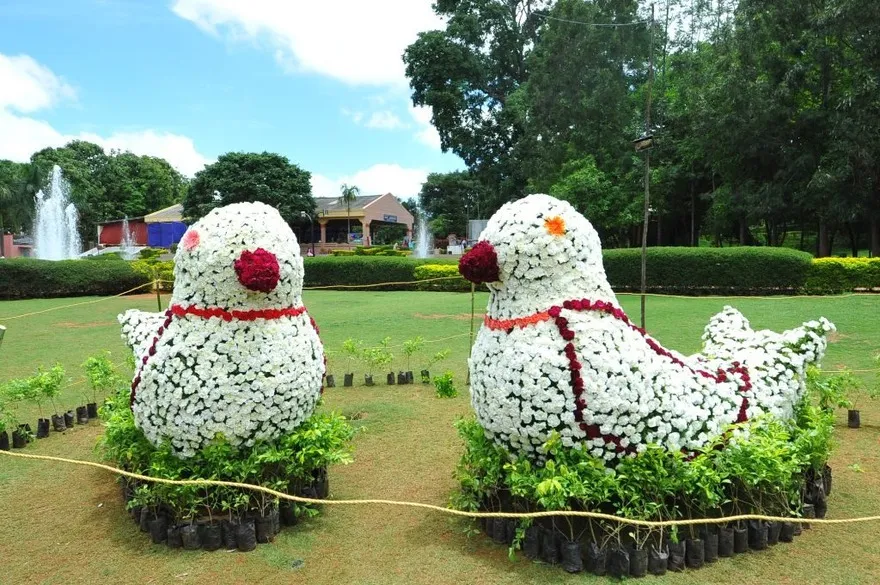
If lakes and coastal landscapes do not appeal to you, the lush green hills of Yelagiri provide the perfect alternative. This hill station attracts trekking enthusiasts and adventure lovers from across the country.
Some of the must-visit attractions include Fundera Bird Park, the scenic Attaru River, and the breathtaking Jalagamparai Falls. Additionally, you should explore Velavan Temple, Yelagiri Herbal Garden, and the beautifully maintained Nature Park.
View more: Yelagiri
Horsely Hills
Horsley Hills offers a refreshing escape with cascading waterfalls, tranquil lakes, winding roads, and pleasant weather. Together, these elements create the ideal environment for relaxation and rejuvenation.
Key attractions include Legal Falls, lush green landscapes, and the Elephant Camp. Nearby spots such as Gangotri Lake, Whisper Winds Viewpoint, and Galibanda Viewpoint provide stunning panoramic views of the surrounding mountains.
Arignar Anna Zoological Park
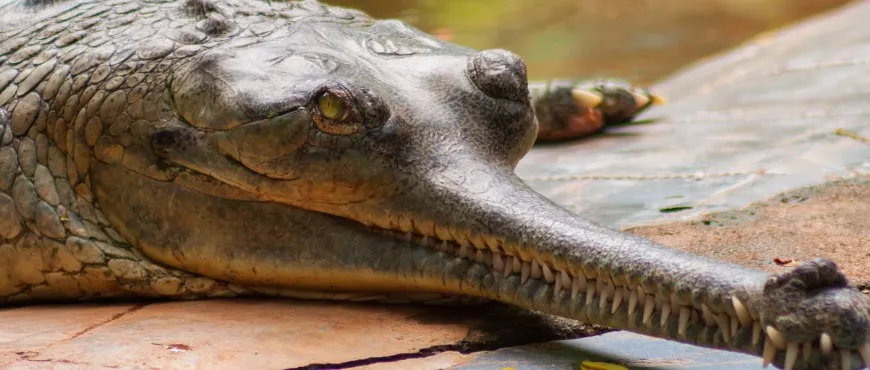
If you prefer a short and exciting getaway, Arignar Anna Zoological Park makes an excellent choice. This destination combines adventure, education, and wildlife exploration into a single experience.
Apart from being a well-known zoo, it also serves as a popular picnic spot where families can relax and enjoy quality time together. Wildlife enthusiasts can explore diverse animal species, enjoy elephant joyrides, visit children’s parks, and explore the education centre. Visitors can also participate in elephant and deer safaris.
View more: Arignar Anna Zoological Park
Vedanthangal Bird Sanctuary
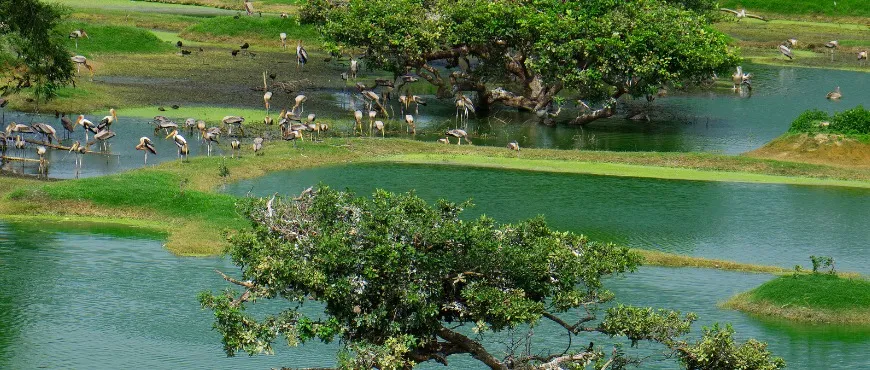
Vedanthangal Bird Sanctuary is a must-visit destination for bird and wildlife enthusiasts. Located near Mahabalipuram, this sanctuary ranks among the most prominent bird sanctuaries in India and hosts nearly 330,000 birds every year. Visitors can spot Spoonbills, Storks, Egrets, Herons, and several migratory bird species. The sanctuary lies about 89 km from Chennai, and the ideal time to visit is between November and February.
View more: Vedanthangal Bird Sanctuary
Vellore Fort
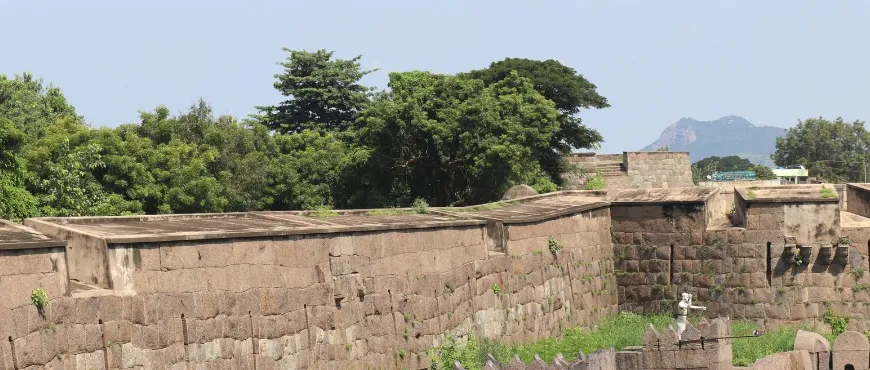
Vellore Fort stands as one of the most prominent landmarks in the city. The fort offers travelers a rich blend of cultural heritage and impressive Dravidian architecture, making it an ideal weekend destination for history enthusiasts.
The fort lies just 136 km from Chennai, and the best time to visit is between October and March. Nearby attractions include Sri Lakshmi Golden Temple and the Sri Venkateshwara Museum.
To explore these destinations comfortably, you can use public transport or choose a self-drive rental car for complete freedom. Many local providers offer self-drive options, but if you seek a reliable service, RenTrip Rentals stands out as a trusted brand. RenTrip operates in over 35 cities and offers an easy-to-use website and mobile application with a wide range of vehicles to choose from.
We hope this guide helps you plan an unforgettable journey. Travel safely, explore freely, and enjoy every moment of your weekend getaway from Chennai.