
Bhavani Sangameshwarar Temple Erode – History, Timings & Travel Guide
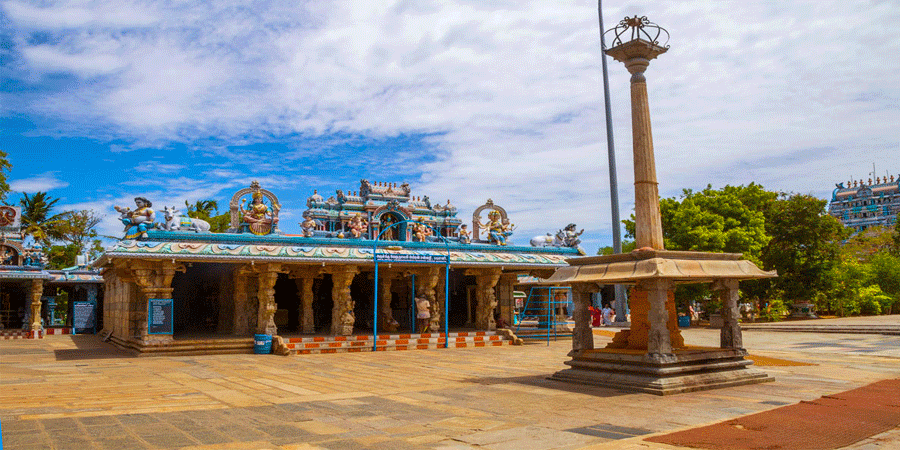
The Bhavani Sangameshwarar Temple, also known as Sri Sangameshwarar Temple, is a revered Shiva temple located in Bhavani, Erode district. This ancient shrine stands at the sacred confluence (Kooduthurai) of the Bhavani River, Cauvery River, and the invisible Amutha River, making it one of the most spiritually significant temples in Tamil Nadu. The temple is celebrated for its divine energy, centuries-old heritage, and serene riverfront setting.
History of Bhavani Sangameshwarar Temple Erode
The history of the Bhavani Sangameshwarar Temple dates back over 1,500 years, with inscriptions indicating contributions from the Chola, Pandya, and Vijayanagara kings. According to legend, the deity appeared as Amirthalingeswarar to bless a king who prayed for protection from tragic omens. The temple’s sacred location at the confluence of three rivers is believed to dissolve sins and grant spiritual purification.
The temple is also associated with the English Collector William Garrow, who once lived nearby. According to the temple tradition, Goddess Vedanayaki Amman appeared in his dreams and saved his life. Out of gratitude, he gifted a cradle to the temple—an artifact still preserved today.
Architectural Significance of Bhavani Sangameshwarar Temple Erode
The Bhavani Sangameshwarar Temple is a classic example of traditional Dravidian architecture. The main sanctum houses Lord Amirthalingeswarar (Shiva) and Goddess Vedanayaki Amman. The temple features beautifully carved pillars, mandapams, and spacious courtyards that reflect its historical and cultural richness.
Its riverfront setting adds natural beauty, making it a peaceful destination for devotees. The temple tank, gopurams, and ancient sculptures highlight the region’s architectural brilliance.
Pooja Details & Daily Rituals at Bhavani Sangameshwarar Temple Erode
The temple follows Saivite Agama traditions and performs multiple daily rituals for Lord Shiva and Goddess Vedanayaki.
- Ushakkala Pooja – Early Morning
- Kalasanthi Pooja – Morning Worship
- Uchikala Pooja – Midday Ritual
- Sayaratchai Pooja – Evening Pooja
- Arthajama Pooja – Night Worship
Special abhishekams take place during Pradosham, Mondays, and auspicious star days.
Temple Festivals at Bhavani Sangameshwarar Temple Erode
The temple celebrates several important festivals that attract thousands of devotees from Erode and nearby districts.
- Maha Shivaratri – The most significant festival with night-long prayers.
- Aadi Perukku – Celebrated grandly at the river confluence.
- Panguni Uthiram – Special rituals for Shiva and Parvati.
- Navaratri – Dedicated to Goddess Vedanayaki Amman.
- Karthigai Deepam – Temple illuminated with oil lamps.
Temple Timings of Bhavani Sangameshwarar Temple Erode
Morning Darshan: 5:30 AM – 1:00 PM
Evening Darshan: 4:00 PM – 9:00 PM
During special events and festivals, timings may extend to accommodate devotees.
How to Reach Bhavani Sangameshwarar Temple Erode
The temple is located in Bhavani town, about 15 km from Erode, and is well connected by air, rail, and road.
By Air
Coimbatore International Airport (90 km) is the nearest airport with frequent flights.
By Train
Erode Junction is the closest major railway station with excellent connectivity to Chennai, Coimbatore, Trichy, and Madurai.
By Road
Frequent buses and taxis operate from Erode, Coimbatore, Tiruppur, and Salem. The temple is near the Bhavani bus stand and easy to access.
Travel Tips for Visiting Bhavani Sangameshwarar Temple Erode
- Visit during early morning to enjoy the peaceful river confluence view.
- Avoid bathing in deep areas of the confluence — follow safety signs.
- Wear modest clothing as per temple customs.
- Plan your visit during Aadi Perukku or Maha Shivaratri for special rituals.
- Carry water and essentials during summer; the temple can get crowded on festivals.
Bhavani Sangameshwarar Temple Erode – FAQ
Why is Bhavani Sangameshwarar Temple famous?
The temple is renowned for its sacred location at the confluence of the Cauvery, Bhavani, and the invisible Amudha River, a spot believed to purify devotees.
Who is the main deity of the temple?
Lord Shiva is worshipped as Amirthalingeswarar, accompanied by Goddess Vedanayaki Amman.
Is bathing allowed at the confluence?
Yes, but devotees must follow safety rules as water depth varies. Avoid restricted areas.
What is the best time to visit?
Early mornings, Maha Shivaratri, and Aadi Perukku are ideal times due to special rituals and the scenic river setting.