
Samayapuram Mariamman Temple – Trichy
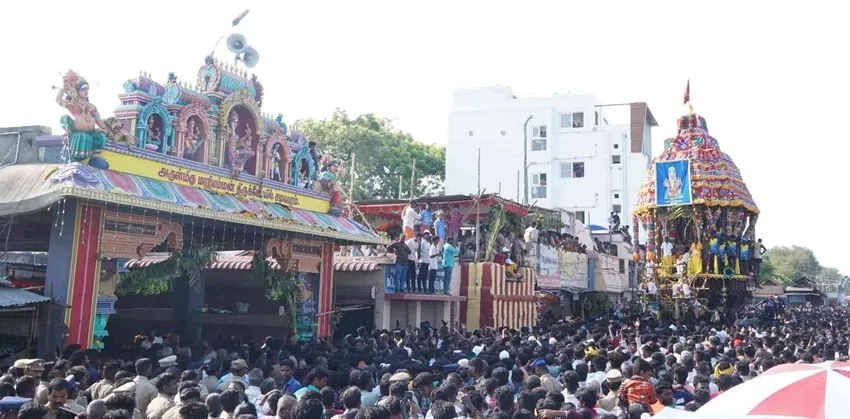
Samayapuram Mariamman Temple is a highly revered Hindu temple dedicated to Goddess Mariamman. It is located at Samayapuram, near Trichy in Tamil Nadu. Therefore, the temple attracts thousands of devotees throughout the year who seek divine blessings, protection, and spiritual peace.
Architecture of Samayapuram Mariamman Temple
The Samayapuram Mariamman Temple follows traditional South Indian temple architecture. Most importantly, the temple features a tall and ornate entrance tower known as the Raja Gopuram. Moreover, this towering structure is beautifully adorned with intricate sculptures and detailed carvings that depict various mythological stories and Hindu deities. As a result, the architecture itself becomes a visual narration of devotion and culture.In addition to the main shrine of the Goddess, the temple complex includes smaller shrines dedicated to other deities of the Hindu pantheon. Furthermore, open courtyards and landscaped spaces within the complex enhance the spiritual atmosphere. Consequently, visitors experience both architectural beauty and divine serenity during their visit.
Religious Significance of Samayapuram Mariamman Temple
Goddess Mariamman is closely associated with fertility, rainfall, and agricultural prosperity. Therefore, farmers regularly visit the temple to seek her blessings for timely monsoon rains and good harvests. Moreover, devotees consider the Goddess as a powerful guardian of rural and agricultural communities. As a result, special rituals and offerings are performed to ensure prosperity and well-being.
Visiting Hours of Samayapuram Mariamman Temple
The temple remains open to devotees throughout the year, welcoming visitors from 5:30 AM to 9:00 PM. Additionally, the temple performs six daily poojas for the main deity. Therefore, devotees have multiple opportunities each day to participate in worship and express their devotion.
How to reach Samaypuram Mariamman Temple:
By Air: The nearest airport to Samayapuram Mariamman Temple is Tiruchirapalli International Airport (IATA: TRZ), which is well-connected to major cities in India. You can either hire a taxi or utilize other local transportation options from the airport to reach the temple.
By Train: Tiruchirapalli Junction (Trichy Junction) is the major railway station closest to Samayapuram. Trains from various parts of the country connect to Tiruchirapalli. Once you reach the Tiruchirapalli Junction, you can hire a taxi or use other local transportation to reach Samayapuram.
By Road:
From Tiruchirapalli (Trichy): Samayapuram is approximately 20 kilometers from Tiruchirapalli. You can take a taxi, auto-rickshaw, or use public buses to reach Samayapuram from Trichy.
From Chennai: If you are traveling from Chennai, you can take a bus or drive to Trichy and then proceed to Samayapuram.
From Other Cities: Samayapuram is well-connected by road, and buses or private vehicles can be used to reach the temple from various cities in Tamil Nadu.
Tourist Attractions in Trichy
Samayapuram Mariamman Temple – FAQ
Where is Samayapuram Mariamman Temple located?
Samayapuram Mariamman Temple is located in Samayapuram, about 12 kilometres from Tiruchirappalli (Trichy), Tamil Nadu, along the Trichy–Chennai highway.
What is Samayapuram Mariamman Temple famous for?
The temple is famous for Goddess Mariamman, believed to cure illnesses and fulfill devotees’ prayers. It is one of the most powerful and highly visited Amman temples in Tamil Nadu.
What are the temple timings?
The temple usually opens early in the morning around 5:30 AM and remains open until about 9:00 PM, with specific timings for special poojas and darshan.
Which is the most important festival celebrated here?
The annual Chithirai Festival (March–April) is the most significant celebration, attracting lakhs of devotees from across Tamil Nadu and neighboring states.
What offerings are made at Samayapuram Mariamman Temple?
Devotees offer maavilakku (rice flour lamp), salt, pepper, jaggery, and sarees as part of their vows, seeking blessings for health and prosperity.