
Navaratri – Celebrating the Divine
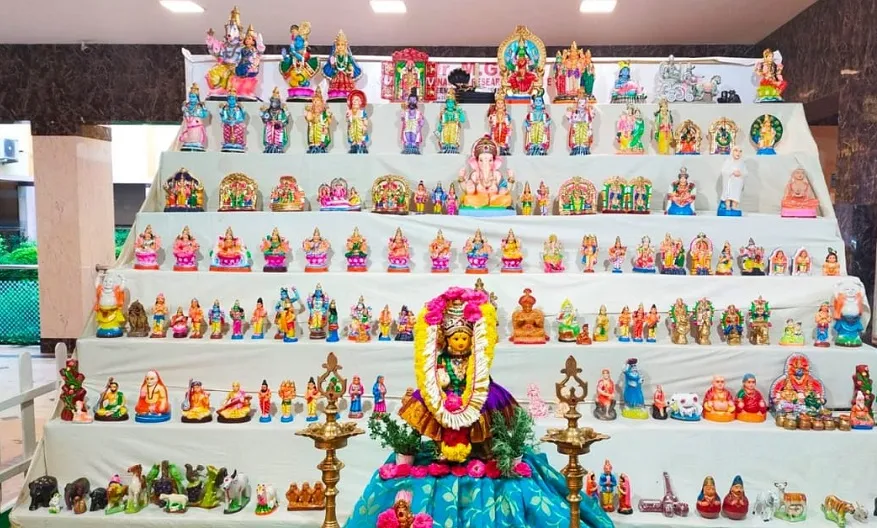
Navaratri, also called Navratri, is a vibrant Hindu festival celebrated across India for nine consecutive nights. The word Navaratri comes from two Sanskrit terms—nava meaning nine and ratri meaning night. People usually celebrate this festival during September or October, marking a spiritually uplifting period filled with devotion, rituals, and cultural activities.
Spiritual Significance of Navaratri
Navaratri honors the power of the divine feminine energy. Devotees worship Goddess Durga in her various forms during these sacred nights. According to Hindu belief, Goddess Durga defeats the demon Mahishasura during Navaratri, symbolizing the victory of good over evil. This belief encourages devotees to develop courage, discipline, and inner strength in their daily lives.
Rituals and Devotional Practices
Devotees actively observe fasts, perform daily poojas, and chant sacred hymns throughout Navaratri. Each day represents a different form of the Goddess, and worshippers seek blessings for health, prosperity, and peace. Temples conduct special prayers and bhajans, while families perform rituals at home with deep devotion.
Cultural Celebrations Across India
Navaratri beautifully reflects India’s cultural diversity. In South India, families display Golu dolls and invite guests for prayers. In western regions, especially Gujarat, people perform Garba and Dandiya Raas, dancing energetically to traditional music. Meanwhile, communities across the country participate in vibrant celebrations and cultural programs.
Nine Forms of the Goddess
Each day of Navaratri celebrates a distinct form of Goddess Durga. Devotees decorate idols, offer prayers, and perform rituals according to the deity worshipped on that day.
Regional Observances
In West Bengal, Navaratri coincides with Durga Puja, featuring grand decorations, cultural events, and idol immersions. In South India, devotees dedicate the final day to Saraswati Puja, seeking blessings for knowledge and education.
Vijayadashami – The Grand Finale
The festival concludes with Vijayadashami (Dussehra), which celebrates Lord Rama’s victory over Ravana and symbolizes new beginnings.
Epilogue
Navaratri unites spirituality, culture, and community. Although customs vary by region, the festival consistently celebrates devotion, divine power, and the triumph of righteousness.
Navaratri – FAQ
What is Navaratri?
Navaratri is a nine-night Hindu festival dedicated to Goddess Durga and her various forms. It symbolizes the victory of good over evil.
When is Navaratri celebrated?
Navaratri is usually celebrated during the Tamil month of Purattasi (September–October). The festival culminates on Vijayadasami, marking the triumph of righteousness.
Why is Navaratri celebrated for nine nights?
The nine nights represent the worship of three main forms of the Goddess – Durga (power), Lakshmi (wealth), and Saraswati (wisdom) – each celebrated for three days.
What is special about Navaratri in Tamil Nadu?
In Tamil Nadu, Navaratri is celebrated with the traditional Golu (Kolu) display of dolls, devotional music, and special prayers in homes and temples.
What is the significance of Vijayadasami?
Vijayadasami marks the end of Navaratri and is considered an auspicious day to begin new ventures, education (Vidyarambam), and cultural learning.