
Christmas Festival 2025: Events, Traditions, and Festive Ideas
Christmas Festival stands as one of the most important celebrations in Christianity. People celebrate it every year on 25th December to commemorate the birth of Jesus Christ. Over time, Christmas has evolved into both a religious observance and a secular family festival, bringing people together across cultures and countries.
Image Attribution: Wohin Auswandern
The Origin and Significance of Christmas Festival
The term “Christmas” originates from the old English words Cristes Maesse, meaning “Christ’s Mass.” Initially, people debated the exact date of Jesus Christ’s birth, as historical records did not specify it clearly. According to historians, Christians first celebrated Christmas in Rome around 336 AD, when December 25 was chosen as the official date. Gradually, Western Christian communities accepted this date, and later, Eastern churches followed suit. As a result, December 25 became universally recognized as Christmas Day.
History of Christmas
Christians celebrate Christmas on December 25 to honor the birth of Jesus Christ. According to the New Testament, Mary gave birth to Jesus in Bethlehem, with Joseph by her side.
- Many customs linked with Christmas existed even before the birth of Christ, which suggests that the roots of the festival date back over 4,000 years.
- In 137 AD, the Bishop of Rome ordered the celebration of the birth of Christ.
- Later, in 350 AD, Pope Julius I officially declared December 25 as Christmas Day.
- Several ancient festivals influenced Christmas traditions, including the Mesopotamian New Year, Persian and Babylonian Sacaea, European Winter Solstice rituals, Scandinavian Yuletide, and the Roman Saturnalia festival.
Christmas Celebrations
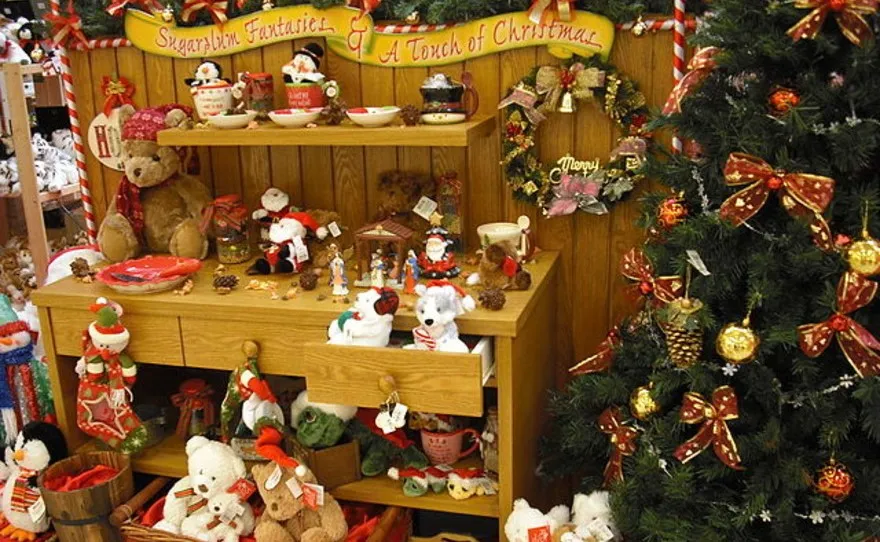
Christmas celebrations begin on Christmas Eve, 24th December, and continue until New Year’s Eve. From early December itself, the festive spirit fills homes, streets, and public spaces. The sound of jingling bells and the sight of colorful decorations announce the arrival of Christmas. One of the most cherished traditions involves decorating the Christmas tree, which adds color, joy, and brightness to the celebrations. Families clean and decorate their homes using lights, mistletoe, and Nativity scenes that depict the birth of Jesus Christ. These scenes typically include Mary, Joseph, baby Jesus, angels, shepherds, the Magi, and animals such as oxen, donkeys, and camels.
Churches, markets, streets, and homes glow with illuminated decorations, artificial snow, and festive ornaments. Additionally, groups of people move door to door singing Christmas carols, spreading joy and goodwill. Children eagerly await Christmas, hoping to receive gifts from Santa Claus. They believe that good behavior brings rewards, which adds excitement and innocence to the season. Meanwhile, families gather, travel to their hometowns, exchange gifts, enjoy festive meals, and attend the midnight Christmas Mass.
DIY Christmas Decorations and Recipes
Over the years, Christmas celebrations have transformed significantly. What began as a purely religious festival has grown into a joyful and inclusive celebration.
Some traditional elements that continue to define Christmas include:
Yule Log – In ancient times, families burned a large oak log during the Twelve Days of Christmas. Today, this tradition lives on as a popular chocolate Yule Log dessert.
Santa Claus – Inspired by Saint Nicholas, Santa Claus symbolizes generosity and kindness. According to popular belief, he lives at the North Pole and delivers gifts worldwide in a single night.
Snow – Snow represents peace and purity. Winter activities like skiing, sledding, and snowboarding form an integral part of Christmas celebrations in colder regions.
Christmas Tree – Families decorate fir trees with ornaments and lights, place gifts underneath, and gather around to celebrate the birth of Christ.
Lights and Decorations – Colorful lights and festive decorations bring warmth and cheer during winter nights.
Wreath – Made from evergreen plants like pine and holly, wreaths symbolize Christ’s crown of thorns, while red berries represent his sacrifice.
Mistletoe – Hanging mistletoe signifies love, friendship, good luck, and protection from evil.
Cake and Cookies – Christmas cakes, often fruit-based, and festive cookies form a delicious and meaningful part of holiday traditions.
Christmas Carols – People sing carols to relive the joy and nostalgia of Christmas, spreading messages of hope and peace.
Christmas Shopping
Christmas marks one of the busiest shopping seasons worldwide. As December begins, people prepare for both Christmas and New Year celebrations. Malls, markets, and streets come alive with decorations as families shop for gifts, festive clothing, decorations, and special meals. Gift-giving remains one of the most cherished traditions of the Christmas season.
Epilogue
The true spirit of Christmas lies in faith, love, compassion, and togetherness. People celebrate the festival with joy, devotion, and gratitude while spending quality time with loved ones. Ultimately, Christmas teaches the world the value of kindness, generosity, and giving, making it one of the most beautiful and meaningful celebrations of the year.